
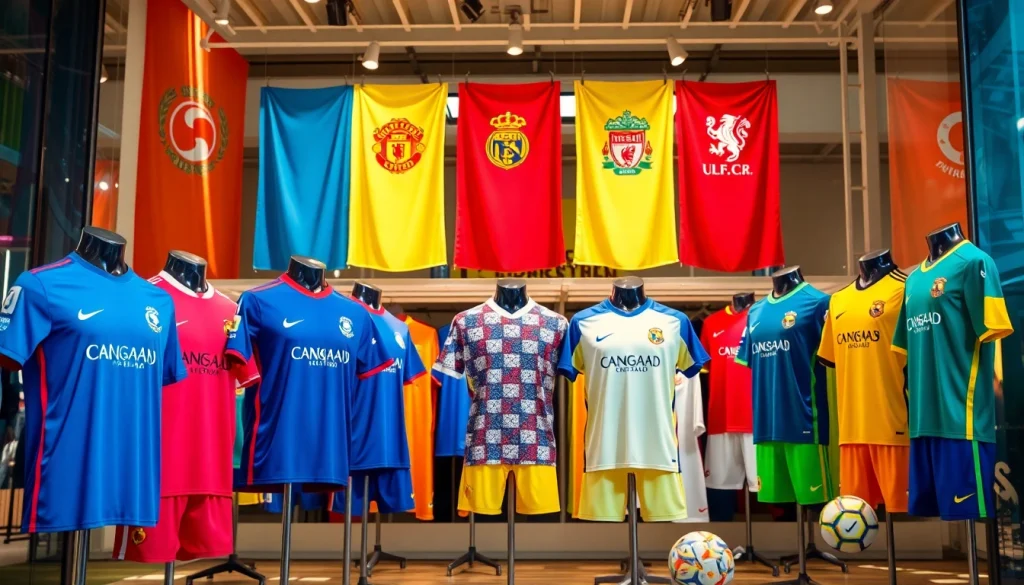
Understanding Football Kits
Football kits are more than just clothing for players; they represent teams, evoke passion among fans, and embody the rich history of the sport. From the vibrant colors adorning the shirts to the patterns that signify a club’s legacy, every football kit tells a story. In this comprehensive guide, we explore the intricate details that make football kits essential for players and fans alike. Whether you’re looking for professional-grade equipment or a stylish replica to showcase your allegiance, understanding the various aspects of football kits can significantly enhance your purchase decisions.
The Evolution of Football Kits
The journey of football kits dates back to the late 19th century when players wore heavy, woolen jerseys with simple designs. Over the years, a notable transformation occurred, driven by technological advancements, fashion trends, and the demand for team identity. In the early 1900s, teams started adopting personalized colors and crests, giving rise to the modern designs we see today.
By the 1970s, synthetic materials entered the market, making kits lighter and more durable. This shift not only improved player performance but also expanded design possibilities, allowing for more vibrant colors and eye-catching graphics. Clubs began to collaborate with manufacturers to produce distinctive, tech-savvy kits that represented more than just functionality; they became fashion statements on and off the pitch. The advent of digital printing in the 1990s further revolutionized kit designs, enabling intricate patterns that captivate fans worldwide.
Key Components of Football Kits
A football kit typically consists of a jersey, shorts, and socks, but there are several key components that make up the complete ensemble:
- Jersey: The centerpiece of any kit, the jersey is usually adorned with the team’s colors, logo, and sponsors. It can come in various styles including home, away, and third kits.
- Shorts: Along with the jersey, shorts form the main outfit for players. They are designed for mobility and comfort on the field.
- Socks: Socks complete the look and are integral for securing shin guards. They often match the color of the jersey and shorts.
- Shin guards: While not part of the kit’s external appearance, shin guards are essential for player safety and are usually worn under the socks.
Popular Designs and Trends in Football Kits
Fashion plays a significant role in the design of football kits. Fans often look for kits that not only signify their team but also resonate with contemporary trends. Iconic designs often incorporate retro elements or minimalist styles, while others may embrace bold prints and patterns. The rule of thumb for successful kit designs lies in their ability to evoke a sense of loyalty and pride while being aesthetically pleasing.
Collaborations with high-profile designers and influencers are now common, bridging the gap between sports and lifestyle fashion. Limited edition releases and vintage throwbacks have become increasingly popular among collectors and casual fans. Ultimately, a well-designed football kit can elevate a team’s branding while creating a lasting emotional connection with fans.
Factors to Consider When Buying Football Kits
When it comes to purchasing football kits, several factors should be considered to ensure that you make the right choice. From material quality to fitting, understanding these elements can help you find the perfect kit for both comfort and style.
Material Quality and Comfort in Football Kits
The material of a football kit plays a crucial role in a player’s performance and comfort. High-quality kits are typically made from moisture-wicking fabrics that keep players dry and comfortable during intense matches. Look for jerseys that feature breathable mesh panels and lightweight materials that allow for freedom of movement.
Common materials used in modern football kits include polyester and cotton-blend fabrics. Each material has its own benefits: polyester is durable and easier to care for, while cotton offers breathability and comfort. The choice ultimately depends on personal preference and the intended use of the kit, whether it be for match days or casual wear.
Size and Fit of Football Kits
Proper sizing is critical for both performance and comfort. Football kits often come in various fits, such as slim, regular, and loose styles. It’s essential to refer to the sizing charts provided by manufacturers to identify the best fit for you. Additionally, consider if you prefer a tighter, more athletic fit, typically favored by players, or a looser fit for casual wear.
Lastly, be mindful of potential shrinkage after washing and try on different sizes to find what feels best for your body type. A kit that allows for freedom of movement will enhance your performance, whether on the pitch or enjoying game day with friends.
Price Range: Finding Value in Football Kits
Football kits can vary significantly in price, ranging from budget-friendly options to high-end designs. Generally, the price reflects the quality of materials, the complexity of design, and brand reputation. When shopping for a kit, consider your budget and weigh the benefits of investing more in a durable, high-quality kit versus a less expensive option that may not last as long.
Additionally, be on the lookout for sales and promotions during key sporting seasons, as retailers often discount kits to attract fans. Always check return policies before making a purchase; after all, it’s essential to buy a kit that you genuinely love and that represents your team spirit.
Where to Buy Football Kits
Knowing where to purchase your football kits is just as important as understanding the products themselves. With numerous shopping options available, it’s vital to choose a reliable source that meets your needs.
Online vs. Physical Stores for Football Kits
When deciding between online shopping and physical stores, each option has its unique advantages. Online stores offer the convenience of browsing through a larger variety of styles and sizes at any time. They often provide detailed product descriptions and reviews, ensuring you make an informed decision.
On the other hand, shopping at a physical store allows you to try on kits and feel the fabric before purchasing. It also presents the chance to receive immediate assistance from knowledgeable staff. Depending on your preferences, you might consider balancing both shopping methods, purchasing online for general options and trying on in stores for specific fits.
Best Online Retailers for Football Kits
Currently, many reputable online retailers specialize in sports apparel and offer a wide range of football kits. Look for sites with a user-friendly interface, a variety of choices, and customer-friendly return policies. Heightened attention to detail in product imagery and descriptions can also lead to higher satisfaction in your purchasing decision.
Reviews from previous customers can be immensely helpful in assessing both product quality and vendor reliability. Additionally, consider checking if they offer any loyalty programs or promotions on future purchases; these can add significant value over time.
Local Stores Offering Football Kits
While online shopping is convenient, local stores provide immediate satisfaction. In many communities, sports stores specialize in football equipment and often stock the latest kits. Visiting these stores can provide an excellent opportunity to support local businesses while finding specific sizes or styles that fit your needs.
Moreover, local stores may carry limited edition or region-specific kits not found online, making it valuable to check out your local options first. Ask store employees for recommendations based on your team, size, and needs to enhance your shopping experience.
Maintaining Your Football Kits
Caring for your football kits is essential for extending their lifespan and preserving their appearance. Learning proper maintenance techniques can keep them looking their best for years to come.
Caring for and Cleaning Football Kits
Cleaning football kits require a gentle approach to prevent damage. Always check the care label for specific instructions, but as a general rule, it’s best to machine wash in cold water and avoid fabric softeners, which can break down synthetic fibers. Turn your kits inside out to protect logos and prints from friction during the wash cycle.
Air drying is preferable; heat can warp the fabric and ruin fit. If you’re in a hurry, opt for a low-heat tumble dry setting but remove the kit while slightly damp to prevent damage. Following these guidelines can keep your kits looking vibrant and fresh for the longest time.
Storing Football Kits: Tips for Longevity
Proper storage helps maintain the shape and integrity of your football kits. Avoid folding them tightly, as this can create creases that might not come out easily. Instead, consider hanging them in a cool, dry place, away from direct sunlight. If hanging isn’t possible, storing them flat in a breathable garment bag can also work.
It’s also advisable to keep kits away from damp areas to prevent mold and mildew. By being intentional with your storage choices, you can significantly extend the life of your collections.
Repairing and Upcycling Football Kits
Even the best football kits can suffer wear and tear over time. Learning basic repair techniques, such as sewing up small holes or reinforcing seams, can prolong a kit’s usability. Replacing fallen letters or numbers can be a fulfilling way to refresh an older kit, transforming it into a unique piece.
Upcycling offers an exciting avenue to breathe new life into old kits. Consider converting them into bags, wall art, or other practical items. This method not only reduces waste but can also create a cherished memento that showcases your love for the sport.
Football Kits for Different Occasions
The versatility of football kits means they can be worn for more than just game day. Various occasions call for different styles, whether for casual outings, match days, or team events.
Casual Wear vs. Matchday Football Kits
Casual football kits often prioritize comfort and style, making them suitable for everyday wear. Fans might choose replica kits that feature vibrant team colors while ensuring they fit well and feel good. These casual kits can be paired with jeans, shorts, or joggers for a relaxed outing.
On the other hand, matchday football kits are designed with performance in mind. Players typically choose higher-quality materials intended for sweating and movement. It’s essential to distinguish between these occasions when selecting the right kit to maintain comfort, performance, and style.
Customized Football Kits for Teams
Customized football kits bring a personal touch to team apparel. Many fans and clubs opt for personalized jerseys that include player names, numbers, and unique designs. This customization not only fosters team spirit but also creates a sense of unity and identity among players.
Consider working with a reputable supplier that provides various customization options while ensuring your designs meet quality standards. Engaging club members in the customization decision can further enhance camaraderie among teammates.
Collecting Vintage and Rare Football Kits
The passion for football kits often extends into collecting vintage and rare pieces. Some collectors focus on kits from specific eras, while others aim to procure unique designs that are no longer available in stores. The value of such kits can increase over time, making them a valuable investment.
Participating in collector events, online auctions, or specialized forums can help enthusiasts expand their collections. However, always validate the authenticity of rare kits and check might’s current market value to ensure you make informed purchases.