
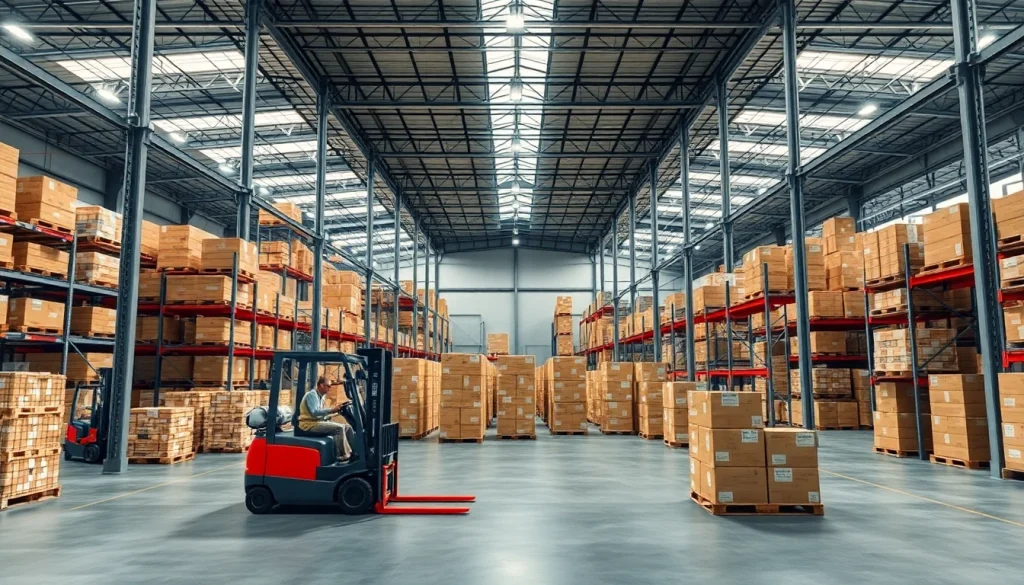
What is Warehousing?
Warehousing refers to the process and practice of storing goods for a set period before they are distributed to retailers or customers. It is an essential aspect of supply chain management, enabling businesses to effectively handle inventory and manage the flow of goods. Within this article, we will explore the critical components of warehousing, including its definition, purpose, types of warehousing solutions, and its role in supporting supply chain management. Understanding these elements can significantly improve operational efficiency and boost customer satisfaction. For more resources on warehousing, consider checking warehousing platforms that specialize in logistics and storage solutions.
Definition and Purpose of Warehousing
A warehouse is not merely a large building but a thoughtfully designed space dedicated to the efficient storage and management of physical goods. It serves as a crucial intermediary in the supply chain, responsible for maintaining an organized inventory that ensures products are readily available for shipment when demanded. The primary purpose of warehousing extends beyond just storage; it encompasses the functions of inventory management, order fulfillment, and the provision of value-added services to support business operations.
Types of Warehousing Solutions
There are several types of warehousing solutions available, which cater to different needs and business models. Below are some popular types:
- Private Warehousing: Operated by companies to store their own goods, providing complete control over inventory management.
- Public Warehousing: A third-party service that businesses can rent as needed. This is ideal for companies that require flexible space without long-term commitments.
- Distribution Centers: Specialized warehouses focused on quickly processing orders and efficiently moving products to consumers or retailers.
- Refrigerated Warehousing: Facilities that maintain controlled temperatures for storing perishable goods, essential for food and pharmaceutical industries.
- Automated Warehouses: These utilize technology such as robotics and AI for efficient storage and retrieval of goods, enhancing operational efficiency and accuracy.
How Warehousing Supports Supply Chain Management
Warehousing plays a pivotal role in supply chain management by ensuring that products are stored efficiently and are readily available for distribution. It helps to streamline operations, reduce lead times, and facilitate inventory turnover. Effective warehousing strategies enable companies to manage fluctuations in demand, respond quickly to market changes, and maintain a competitive edge by providing timely deliveries. Furthermore, integration with inventory management systems allows for real-time tracking and analytics, enhancing decision-making processes related to stock levels and replenishment needs.
Key Functions of Warehousing
Storage Management and Inventory Control
A core function of warehousing is managing storage space effectively. This involves organizing goods in a manner that optimizes the use of warehouse capacity while ensuring ease of access. Implementing sophisticated inventory control systems, such as barcoding and RFID technology, allows for accurate tracking of stock levels and reduces errors in inventory counts. Additionally, effective storage management practices can lead to significant cost savings by minimizing excess stock and avoiding obsolescence.
Order Fulfillment and Shipping Services
Warehouses are essential in fulfilling customer orders and ensuring timely shipping of products. Order fulfillment encompasses picking, packing, and dispatching goods, which can be optimized through strategic layout planning and technological advancements. Efficient order processing not only reduces delays but also improves customer satisfaction. Integrating logistics systems enables warehouses to manage multiple orders simultaneously, track shipments in real-time, and adapt to changing delivery requirements seamlessly.
Role of Technology in Modern Warehousing
Technology has revolutionized warehousing operations, leading to enhanced efficiency and accuracy. Advanced warehouse management systems (WMS) provide comprehensive solutions for inventory control, order management, and data analysis. Automation technologies, such as conveyors and robotic sorting systems, minimize human error and speed up operations. Additionally, the adoption of artificial intelligence (AI) and machine learning allows warehouses to predict demand more accurately, optimize layouts, and increase overall productivity. This technological integration positions warehouses to respond adeptly to the evolving landscape of logistics and supply chain management.
Benefits of Effective Warehousing
Cost Savings and Operational Efficiency
One of the most significant benefits of effective warehousing is the potential for cost savings. By optimizing storage space and employing efficient inventory management practices, companies can reduce unnecessary expenses related to excess inventory and storage inefficiencies. Streamlining operations through technology also leads to time savings, which translates into cost reductions elsewhere in the supply chain. Additionally, efficient warehousing can decrease transportation costs by improving the strategic location of inventory, enabling closer proximity to key markets.
Improved Customer Satisfaction
Timely deliveries and accurate order processing are paramount for customer satisfaction and loyalty. An effective warehousing strategy enhances the overall fulfillment process, ensuring customers receive their purchases on time and in good condition. Real-time inventory visibility allows businesses to communicate more accurately with customers regarding order statuses and expected delivery timelines. Meeting customer expectations consistently establishes trust and drives repeat business.
Flexibility in Logistics and Distribution
Effective warehousing provides the flexibility needed to adapt to fluctuating market demands and changes in order volume. This flexibility may be essential during peak seasons or unexpected surges in customer demand. By leveraging public warehousing options or implementing temporary storage solutions, businesses can quickly respond to challenges without incurring substantial investments in infrastructure. Such adaptability is critical for maintaining competitiveness in today’s fast-paced market.
Challenges in Warehousing Operations
Common Issues Faced in Warehousing
While warehousing is essential for supply chain success, it also presents various challenges. Common issues include space limitations, high operational costs, inaccurate inventory data, and labor shortages. Managing a warehouse requires consistent attention to detail and expertise, making it difficult for some businesses to maintain optimal performance levels. Additionally, regulatory compliance, particularly concerning safety and environmental standards, can strain warehouse operations.
Solutions to Overcome Warehousing Challenges
Addressing warehousing challenges involves strategic planning and investment in both technology and workforce training. Implementing an advanced WMS can significantly improve inventory accuracy and streamline operations, while investing in employee development can foster a more skilled workforce capable of managing complex tasks efficiently. Additionally, considering flexible warehousing arrangements, such as partnering with third-party logistics providers, can effectively alleviate space constraints and provide necessary scalability.
Future-Proofing Warehousing Strategies
To future-proof warehousing strategies, businesses must remain adaptable and forward-thinking. This involves continually assessing technological advancements and market trends, along with implementing sustainable and efficient practices. Integrating eco-friendly solutions and automated technologies can not only reduce costs but also align with growing consumer expectations for corporate responsibility. Regularly evaluating performance metrics and customer feedback will provide insights necessary to refine warehousing operations and maintain competitive advantages.
The Future of Warehousing
Trends Shaping the Warehousing Industry
The warehousing industry is continually evolving, influenced by advancements in technology, changes in consumer behavior, and shifts in business models. Some key trends shaping the industry include the rise of e-commerce, increased automation, and the demand for faster deliveries. As a result, warehouses must adapt their operations to meet the growing expectations for efficiency and speed. The implementation of analytics and data-driven strategies is increasingly important, enabling businesses to anticipate demand more accurately.
Impact of E-commerce on Warehousing
E-commerce has dramatically transformed the landscape of warehousing. With more consumers shopping online than ever, warehouses have had to evolve to handle smaller, more frequent shipments efficiently. This shift necessitates changes in storage practices, order fulfillment processes, and inventory management methods. Modern warehouses are now focusing on faster turnaround times and scalability to accommodate fluctuating demand, redefining traditional warehousing strategies to align with this dynamic environment.
Innovations in Warehousing Practices
Continuous innovations within warehousing practices are essential for enhancing operational efficiency and serving customer needs effectively. From the integration of Internet of Things (IoT) technology to advanced software solutions for predictive analytics, businesses are increasingly embracing automation and data solutions. These innovations streamline warehouse operations, reduce errors, and optimize management practices. Ultimately, being receptive to new technologies and strategies will be vital for businesses aiming to succeed in the fast-evolving warehousing landscape.