
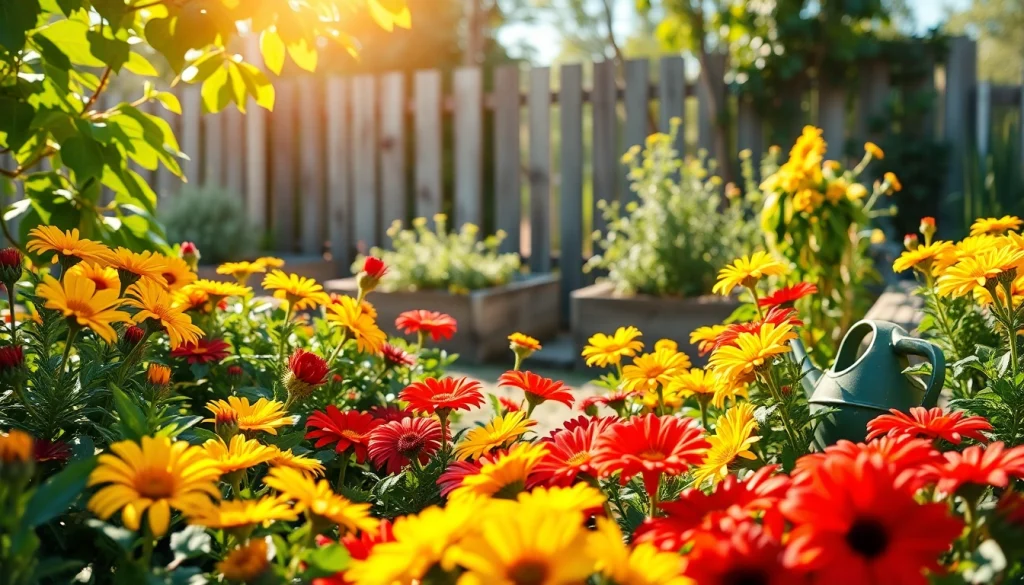
Understanding the Basics of Gardening
Gardening is not just a hobby; it’s a fulfilling activity that connects you with nature, enhances your living space, and can even yield nutritious food. Whether you’re a beginner or an experienced gardener, understanding the foundational elements of Gardening is essential for success. In this section, we’ll explore the importance of soil quality, selecting the right plants, and the essential tools necessary for effective gardening.
Importance of Soil Quality in Gardening
Soil quality is fundamental to any gardening effort. It serves as the primary medium for plant growth and affects everything from nutrient availability to water retention. Here are some critical aspects to consider:
- Soil Composition: A healthy soil mix comprises minerals, organic matter, air, and water. Understanding the proportions of these components can help you improve soil quality.
- pH Levels: The pH level of the soil affects nutrient availability. Most plants thrive in soil that is slightly acidic to neutral (pH 6 to 7). You can test your soil pH using kits available at garden centers.
- Nutrient Content: Essential nutrients such as nitrogen, phosphorus, and potassium should be part of your soil. Organic amendments like compost and well-rotted manure can significantly enhance nutrient levels.
- Drainage: Well-draining soil prevents water from pooling and leading to root rot. If your soil retains too much water, consider adding sand or organic matter to improve drainage.
Selecting the Right Plants for Your Space
Choosing the right plants is crucial to achieving a successful garden. Various factors influence your plant selection, including climate, space availability, and personal preferences. Here are some tips to guide your choices:
- Climate Zone: Research your climate zone to understand which plants can thrive in your area. Some plants are highly sensitive to temperature and moisture levels.
- Sunlight Availability: Different plants require varying amounts of sunlight. Assess your garden space to identify full-sun (6-8 hours), partial-shade, or full-shade areas.
- Space Requirements: Consider the mature size of the plants. It’s essential to space them adequately for air circulation and future growth to avoid overcrowding.
- Personal Preference: Choose plants that you love and will enjoy caring for. Whether it’s vibrant flowers or nutritious vegetables, let your interests guide your selections.
Essential Tools for Effective Gardening
Investing in the right gardening tools can make your gardening tasks easier and more efficient. Here’s a list of essential tools every gardener should have:
- Hand Trowel: Ideal for digging small holes, transplanting seedlings, and removing weeds.
- Pruning Shears: Useful for trimming or cutting plants to promote healthy growth.
- Garden Fork: Great for turning soil, aerating, and breaking up compacted earth.
- Watering Can: Essential for giving your plants adequate water, especially in dry periods.
- Garden Hose: A more extensive watering solution for larger garden areas.
Creating a Sustainable Gardening Plan
Creating a sustainable garden involves more than just planting seeds. It requires careful planning and ongoing management to ensure that your garden thrives while minimizing environmental impact. Below are key components to consider in developing your gardening plan.
Planning Your Garden Layout Efficiently
A well-thought-out garden layout can maximize your space and yield. Here are some strategies to consider:
- Grid Layout: Perfect for vegetable gardens, a grid layout allows for efficient use of square footage and organized rows for easy access.
- Raised Beds: Constructing raised beds can improve drainage and make it convenient to manage soil quality.
- Companion Planting: Plan your garden based on plants that support each other’s growth, for example, pairing tomatoes with basil to enhance flavor and growth.
- Crop Rotation: Rotating crops each year prevents soil depletion and reduces pest problems.
Watering Techniques for Optimal Growth
Watering is a critical component of sustaining healthy plants. Here are techniques to optimize your garden’s watering needs:
- Drip Irrigation: This method delivers water directly to the roots of the plants, reducing evaporation and runoff.
- Rainwater Harvesting: Collect rainwater in barrels to water your garden efficiently, promoting sustainability.
- Watering Schedule: Water your plants early in the morning or later in the evening to minimize evaporation losses.
Natural Pest Control Strategies in Gardening
Managing pests naturally can protect your plants without harming beneficial insects or the environment. Consider the following methods:
- Introduce Beneficial Insects: Ladybugs and lacewings are natural predators of common garden pests, such as aphids.
- Companion Plants: Certain plants, like marigolds, can deter pests, making them excellent additions to your garden.
- Natural Sprays: Utilize homemade sprays using ingredients like neem oil or soap to deter pests while being eco-friendly.
Advanced Gardening Techniques to Enhance Growth
For seasoned gardeners looking to take their gardening skills to the next level, exploring advanced techniques can significantly improve plant health and yield. Below are innovative strategies to consider.
Companion Planting for Healthier Gardens
The practice of companion planting involves growing different plants in proximity for mutual benefits, such as pest control and nutrient enhancement. Here’s how to optimize companion planting:
- Symbiotic Relationships: Some plants improve each other’s growth, such as beans enriching the soil with nitrogen, which helps corn grow stronger.
- Floral Companions: Flowers like nasturtiums can confuse pests while attracting beneficial insects, promoting a balanced ecosystem.
- Plant Diversity: A diverse habitat can attract beneficial organisms, which can help with pest management and pollination.
Utilizing Organic Fertilizers Effectively
Organic fertilizers provide a sustainable alternative to synthetic options, promoting healthy soil and plant growth. Here are methods for effective use:
- Compost: Create your compost using kitchen scraps and yard waste to enrich your soil with essential nutrients.
- Slow-release Granules: These fertilizers provide a steady supply of nutrients over time, ensuring your plants receive continuous nourishment.
- Liquid Fertilizers: Applying liquid fertilizers directly to foliage can improve nutrient uptake significantly.
Implementing Crop Rotation in Gardening Practices
Crop rotation involves changing the type of crops grown in particular areas each season, which helps manage soil nutrients and pests. Here are key benefits and techniques:
- Soil Health: Alternating crops that deplete different nutrients ensures balanced soil health.
- Pest Control: Changing crops disrupts pest life cycles, reducing their populations naturally.
- Planning Rotations: Develop a three or four-year rotation plan based on crop families for optimal results.
Gardening for Aesthetics and Biodiversity
Aesthetic gardens not only enhance the visual appeal of a space but also contribute to local biodiversity. This section will cover design principles, native plant integration, and creating habitats for wildlife.
Designing Flower Gardens for Visual Appeal
Creating a visually stunning flower garden involves thoughtful design and plant selection. Consider these design principles:
- Color Schemes: Choose a harmonious color palette that aligns with your preferences and the surrounding landscape.
- Layering Plants: Use taller plants in the back and shorter plants in the front to create depth and dimension.
- Seasonal Interest: Incorporate a variety of plants that bloom at different times to ensure year-round color.
Incorporating Native Plants into Your Gardening
Utilizing native plants is vital for supporting local ecosystems and improving garden sustainability. Here’s why you should integrate them:
- Low Maintenance: Native plants are adapted to local conditions, requiring less water and fewer chemicals.
- Support Local Wildlife: Native species provide habitat and food sources for indigenous birds, insects, and other wildlife.
- Cultural Significance: Incorporating plants that hold cultural relevance can deepen your connection to the local environment.
Creating Habitats for Beneficial Wildlife
Encouraging wildlife in your garden can enhance biodiversity and aid in natural pest management. Here are ideas for creating wildlife habitats:
- Birdhouses and Feeders: Include structures for nesting and feeding to attract birds that help control pests.
- Insect Hotels: Building homes for beneficial insects like bees can promote pollination and ecological balance.
- Water Sources: Providing water features can attract diverse wildlife, enriching the ecosystem in your garden.
Growing Your Own Food: A Beginner’s Guide
Growing your own food is a fulfilling endeavor that allows you to enjoy fresh produce and contribute to a healthier lifestyle. This section provides a comprehensive guide for beginners interested in starting their food garden.
Starting a Vegetable Garden from Seeds
Starting a vegetable garden from seeds can be an economical and rewarding experience. Here’s how to begin:
- Choosing Seeds: Select seeds based on your climate and the vegetables you enjoy. Check packet details for planting times and requirements.
- Soil Preparation: Ensure that your soil is well-aerated and rich in organic matter to give seeds the best chance to germinate.
- Planting Technique: Follow spacing guidelines and planting depths for your chosen seeds, carefully marking rows as you go.
Caring for Herbs in Your Garden
Herbs are excellent additions to your garden, offering culinary benefits and attractive features. Here’s how to take care of them:
- Sunlight Needs: Most herbs thrive in full sun, so ensure they are planted in a well-lit area.
- Watering Requirements: Herbs typically prefer well-drained soil; overwatering can lead to root rot.
- Harvesting Techniques: Regular pinching or cutting of leaves encourages bushier growth and improves flavor.
Harvesting Tips for a Successful Gardening Season
Knowing when and how to harvest your plants ensures you enjoy the fruits of your labor effectively. Here are some tips:
- Timing: Harvest at the right time for each crop; tomatoes should be picked when they are fully ripe, while leafy greens can be harvested continuously.
- Tools: Use clean, sharp tools to minimize damage to plants during harvesting.
- Storage: Learn the best methods for storing different vegetables to maximize freshness and minimize waste.