
Understanding Gardening Essentials
Defining Gardening and Its Benefits
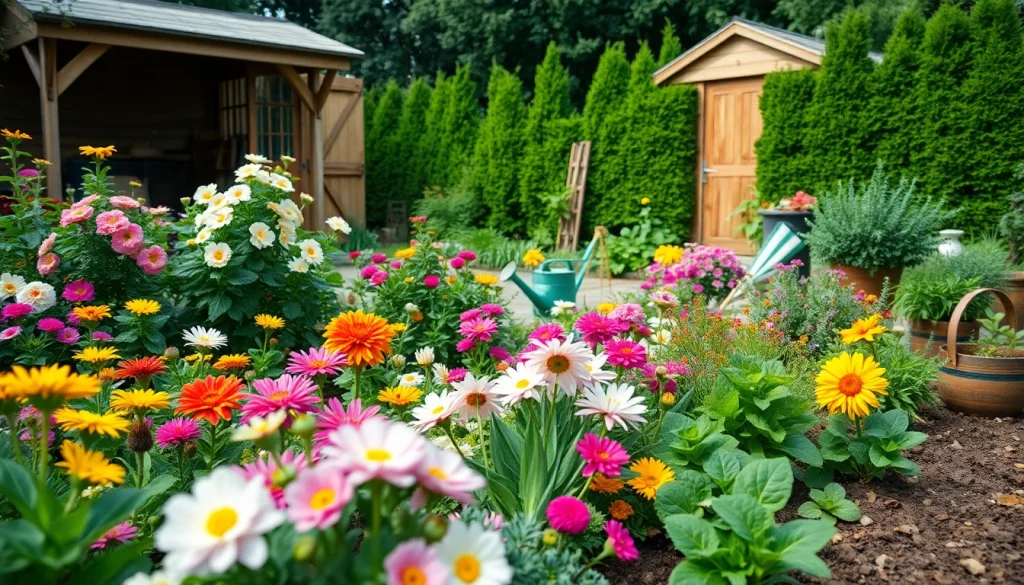
Gardening is more than just a hobby; it is an art and a science that involves cultivating plants and managing garden spaces to enhance both aesthetics and functionality. At its core, Gardening encompasses the growing of flowers, vegetables, herbs, and shrubs in a way that promotes sustainability and biodiversity. The benefits of gardening are extensive and go beyond just growing food or beautifying landscapes. They include improved mental health, physical exercise, and a greater appreciation for the environment.
Engaging in gardening provides therapeutic effects that help in reducing stress and anxiety. The act of digging in the soil, planting seeds, and watching your efforts grow fosters a sense of accomplishment and connection to nature. Moreover, gardening enhances the physical environment by improving air quality and providing habitats for wildlife. It encourages individuals to engage with the natural world in a fulfilling and productive manner.
Choosing the Right Plants for Your Area
Choosing the right plants is crucial to successful gardening. This decision depends on various factors including the climate, soil type, and available space. Plants are categorized based on their hardiness zones, which indicates the typical minimum temperature they can withstand. Understanding your zone can guide your choices in selecting plants that are more likely to thrive in your specific climatic conditions.
Additionally, consider the sun exposure your garden area receives daily. Some plants flourish in full sunlight, whereas others prefer partial or full shade. Soil conditions, including pH and drainage, should also be examined to ensure your plants receive the necessary nutrients and moisture levels they require to thrive. This combination of geographic and environmental factors plays a significant role in determining which species will perform best in your garden.
Soil Preparation Importance
The cornerstone of any productive garden is healthy soil. Preparing your soil adequately is essential for optimized plant growth. This process involves testing soil pH, adding organic matter such as compost or well-rotted manure, and ensuring proper drainage. Soil testing kits are readily available and can reveal nutrient deficiencies or pH imbalances, which can be rectified through amendments.
Moreover, adding organic matter improves soil structure, enabling it to retain moisture while allowing excess drainage—an essential balance for root health. Aerating the soil through tilling or using a garden fork also assists in breaking up compacted areas, making it easier for roots to penetrate and access nutrients. Investing time in preparing your soil creates a strong foundation for healthy plants that are more resilient against pests and diseases.
Setting Up Your Garden Plan
Creating a Garden Layout
Successful gardening begins with a thoughtful garden layout. Designing your garden space allows for a planned distribution of plants while considering growth patterns, companion planting, and the ease of maintenance. Start by mapping out your space on paper or using garden design software, indicating where sunlight falls at different times of the day and any existing structures such as fences or trees that may cast shade.
Consider the growth requirements of each plant, such as height, spread, and water needs, when placing them in your layout. Incorporating pathways and access points will ensure you can tend to your plants without trampling them. Grouping plants with similar care needs together can streamline maintenance tasks like watering and fertilizing.
Planning for Sunlight and Water Access
Understanding sunlight access in your garden is critical. Most vegetables and flowering plants require a minimum of six hours of direct sunlight, while some shade-tolerant species can survive in less light. Observing how the sunlight moves across your garden during the day will help you position your plants optimally for their light needs.
Moreover, planning access to water is paramount. Installing a rainwater collection system or setting up a drip irrigation system can reduce water usage and ensure your plants receive a consistent moisture level. Strategic placement of water features or utilizing garden hoses will save time during watering sessions and prevent water wastage.
Seasonal Gardening Considerations
Your garden’s success hinges on understanding the seasonal changes in your climate. Each planting season offers unique opportunities and challenges; thus, being attuned to these cycles is vital. Spring is ideal for planting annuals and most vegetables, while fall can be an excellent time for planting perennials and preparing for winter.
Consideration should also be made for seasonal pests and diseases, which may arrive at specific times of the year. Staying informed about the plants in your region will aid in planning for crop rotation, allowing certain soil-nutrient demands to be lessened over time by varying crops in the same space each season.
Best Practices for Plant Care
Watering Techniques and Frequency
Effective watering techniques are crucial for plant health. Over-watering can lead to root rot, while under-watering may cause wilting or stunted growth. The general rule of thumb is to check soil moisture by digging a small hole and feeling the soil’s dampness. Most plants benefit from deep watering once or twice a week rather than shallow watering every day.
Implementing watering techniques like drip irrigation or soaker hoses can conserve water and help deliver consistent moisture directly to root zones. Utilizing mulch around plants can further enhance moisture retention, minimize weed growth, and regulate soil temperature.
Fertilization and Soil Nutrition
Fertilization plays a vital role in enhancing soil nutrition, directly impacting plant growth and productivity. Organic fertilizers such as compost, bone meal, and fish emulsion provide essential nutrients while improving soil health. Regularly testing soil can inform you of nutrient deficiencies so that appropriate amendments can be made.
Timing is also critical; applying fertilizers during peak growth periods ensures that your plants have access to nutrients when they need them most. Balancing nitrogen, phosphorus, and potassium based on specific plant requirements will yield the best results in growth and flowering.
Pest and Weed Management Strategies
Pest and weed management is essential to maintaining a thriving garden. Integrated Pest Management (IPM) offers a well-rounded approach to coping with these challenges. This involves identifying pests, monitoring their activity, and using a combination of biological controls (like beneficial insects), cultural practices (such as crop rotation), and, if necessary, targeted chemical interventions.
Weed management can be achieved through regular hand-pulling, mulching, and ensuring good soil health to promote a robust plant community that can outcompete unwanted species. By staying vigilant and proactive in addressing these issues, you can minimize their impact on your garden.
Exploring Advanced Gardening Techniques
Companion Planting for Maximum Yield
Companion planting harnesses the natural relationships between different plant species to enhance growth, pest control, and yield. By strategically placing plants in proximity, such as marigolds with tomatoes, you can deter pests organically and optimize space. This practice also promotes biodiversity, improving soil health and attracting pollinators.
Some beneficial combinations include planting basil with tomatoes to enhance flavor, or interplanting beans with corn to provide natural support and nitrogen fixation. Experimenting with companion planting can lead to valuable insights into how plants can positively influence each other’s growth—an ace up any gardener’s sleeve.
Utilizing Vertical Gardening Methods
Vertical gardening techniques allow gardeners to maximize space efficiently, especially in urban settings or smaller yards. Techniques can include trellising vine crops, hanging planters, or utilizing wall-mounted garden kits. Vertical gardening not only helps in growing more plants per square foot but also improves air circulation and access to sunlight.
Vertical gardens can be aesthetically pleasing, creating living walls or decorative features that enhance your outdoor or indoor space. Selecting the right plants, such as peas, cucumbers, or climbing flowers, will ensure a fruitful vertical garden. Additionally, this method reduces soil-borne diseases as plants are elevated off the ground.
Hydroponics and Container Gardening Innovations
Hydroponics is an innovative gardening method that allows for the growth of plants in nutrient-rich water without soil. This technique can yield faster growth and higher harvests compared to traditional methods and is an excellent alternative for those with limited space or poor soil quality. Hydroponic systems can vary from simple setups to complex ones, but all share the same fundamental principles of nutrient delivery and water management.
Container gardening is another innovative approach, offering flexibility to plant enthusiasts. It allows individuals to garden on patios, balconies, or anywhere soil conditions aren’t suitable. Containers can range from traditional pots to creative repurposed items. The key is to select appropriate-sized containers and to ensure proper drainage, as this directly impacts plant health.
Engaging in Sustainable Gardening Practices
Composting and Organic Fertilizers
Composting is the backbone of sustainable gardening. By recycling kitchen scraps, yard waste, and other organic materials, you create nutrient-rich compost that enhances soil health. This process reduces waste and provides a free, sustainable source of fertilizer. Implementing a composting system at home encourages a more eco-friendly lifestyle and promotes waste management practices.
Using organic fertilizers complements compost, ensuring your plants receive essential nutrients without chemical additives. Utilizing products such as worm castings, green manure, and biochar can further enhance soil microbial activity, fostering a balanced ecosystem beneficial to plant growth.
Water Conservation Techniques
Water conservation is increasingly vital in gardening, especially amidst changing climate conditions. Techniques such as utilizing rain barrels to collect rainwater, drip irrigation systems, and timed watering can significantly reduce water use while ensuring your garden remains hydrated. Applying mulch also conserves moisture in the soil, lessening the need for frequent watering.
Incorporating drought-resistant plants—those that thrive with minimal water—into your landscape can also be a part of your water conservation strategy. Selecting indigenous plant species that naturally require less water can provide an aesthetically pleasing, low-maintenance garden.
Promoting Biodiversity in Your Garden
Promoting biodiversity in your garden encourages resilience and sustainability. A diverse plant community helps improve the ecosystem, supporting beneficial insects and wildlife. By planting a wide variety of species, you create habitats and food sources for pollinators like bees and butterflies, essential for healthy plant reproduction.
You can enhance biodiversity by introducing native plants, which are adapted to the local climate and soil conditions, and are often more resilient against local pests and diseases. Moreover, planting perennials alongside seasonal crops can provide year-round ecological benefits, enhancing soil structure and habitat stability.