
Understanding Gardening Basics
The Fundamentals of Gardening
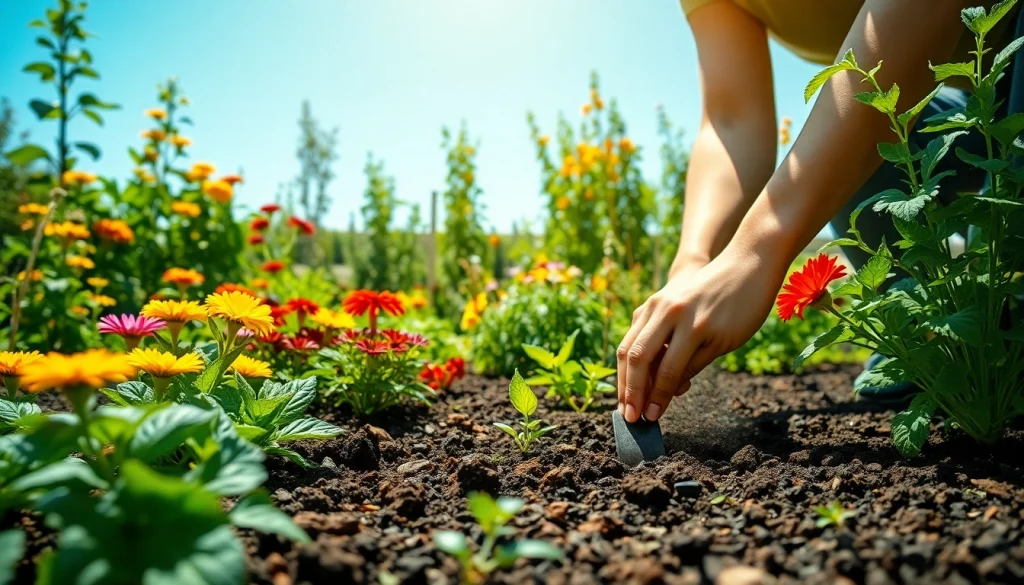
Gardening is an age-old practice that intertwines nature and nurture, involving the growing of plants for various purposes, including food, aesthetics, and even mental well-being. Central to this practice is the understanding of specific elements: sunlight, soil, water, and plants. Each plays a critical role in crafting a thriving garden. The fundamental idea is to create a harmonious relationship between these elements to ensure that plants can flourish. For aspiring gardeners, grasping the essential principles of Gardening can enhance both their learning experience and chances of success.
Common Gardening Tools and Their Uses
Equipping oneself with the right tools is pivotal in gardening. Basic tools include:
- Hand Trowel: Essential for digging, planting, and removing weeds.
- Pruning Shears: Useful for trimming plants and harvesting.
- Garden Fork: Ideal for breaking up soil and aerating the earth.
- Rake: Best for leveling soil and gathering leaves or debris.
- Watering Can: Necessary for carefully hydrating plants, especially seedlings.
Each tool serves a unique purpose, and having them at hand can dramatically improve the gardening process as well as reduce effort and time.
Choosing the Right Plants for Your Garden
When it comes to selecting plants, one must consider several factors, such as climate, soil type, and personal preferences. Beginners might find it beneficial to start with easy-to-grow plants such as:
- Marigolds: Bright and cheerful, these flowers deter pests naturally.
- Tomatoes: A staple in many gardens, they thrive in sunny locations.
- Herbs: Varieties like basil and mint are both fragrant and practical.
Choosing native plants is another recommendation, as they are adapted to the local environment and typically require less maintenance.
Planning Your Garden Layout
Creating a Functional Garden Design
Designing a garden involves considering functionality and aesthetics. A well-planned garden layout enhances both plant growth and accessibility. It’s important to sketch a blueprint of your garden to visualize how plants will interact with each other and their environment. Factors to consider include:
- Sunlight: Position taller plants to the north to avoid shading shorter ones.
- Walkways: Create clear pathways for easy access while tending to plants.
- Zones: Allocate areas for different plant types; for instance, grouping vegetables and herbs together.
Site Selection and Soil Preparation
The success of your garden heavily relies on its location. Choose a site that receives ample sunlight and has good drainage. Once a suitable spot is identified, begin soil preparation. This process includes:
- Testing Soil: Evaluate pH levels and nutrient content using a soil test kit.
- Amending Soil: Incorporate organic matter such as compost or aged manure to boost fertility.
- Tilling: Loosening the soil to enhance aeration and water retention.
Gardening in Different Climates
Understanding the climate in which you garden is crucial in determining plant selection and care. There are three primary climate zones:
- Temperate Zones: Suitable for a wide variety of plants, including both cool and warm-season crops.
- Tropical Zones: Favor heat-tolerant and fast-growing species that thrive in high humidity.
- Arid Zones: Require drought-resistant plants, often utilizing xeriscaping practices.
Growing Vegetables and Herbs
Essential Vegetables for Beginners
Budding gardeners should focus on simple vegetables that yield high results. Some staples include:
- Radishes: Fast-growing and ideal for beginner gardeners.
- Lettuce: Easy to grow and perfect for continuous harvesting.
- Carrots: Require minimal care and provide great nutrition.
Cultivating Culinary Herbs
Herbs not only season our meals but can also enhance any garden with their vibrant colors and fragrances. Here are some essential culinary herbs to grow:
- Basil: Thrives in warm conditions, perfect for Italian dishes.
- Rosemary: A drought-tolerant herb that adds flavor to many dishes.
- Thyme: Easy to maintain and great for flavoring roasted meats and vegetables.
Organic Gardening Practices for Better Yields
Adopting organic practices can enhance soil health and plant vitality. Techniques include:
- Composting: Recycling organic waste into nutrient-rich compost.
- Crop Rotation: Changing planting locations annually to prevent diseases.
- Pest Management: Utilizing natural predators to manage pest populations.
Maintaining Your Garden
Watering Techniques and Schedules
Proper watering is fundamental to gardening success. Here are effective techniques and schedules:
- Drip Irrigation: An efficient method that minimizes water waste while delivering moisture directly to plant roots.
- Watering Early: Perform watering in the morning to reduce evaporation and fungal growth.
- Moisture Check: Use your finger to check soil moisture before watering. Aim for moist soil, not soggy.
Weeds, Pests, and Disease Control
Weeds and pests can quickly overtake a garden, requiring a proactive approach. Some steps to control these threats include:
- Mulching: Applying a layer of mulch helps suppress weeds while retaining moisture.
- Hand Weeding: Regularly inspect the garden for unwanted plants and remove them by hand.
- Disease Recognition: Familiarize yourself with common plant diseases to identify and treat them early.
Seasonal Care and Maintenance Tips
Each season brings unique challenges and tasks. Transitioning between seasons requires specific actions to prepare your garden:
- Spring: Prepare soil, plant seeds, and apply fertilizer as necessary.
- Summer: Maintain watering schedules, prune plants, and monitor for pests.
- Fall: Harvest remaining vegetables, apply compost, and prepare beds for winter.
- Winter: Protect perennials from harsh conditions and plan for the upcoming growing season.
Advanced Gardening Techniques
Companion Planting Strategies
Companion planting enhances the growth and health of plants by strategically placing them alongside one another. Successful combinations may include:
- Tomatoes and Basil: Basil can help improve the flavor of tomatoes and deter pests.
- Carrots and Onions: They complement each other’s growth and help repel pests.
- Beans and Corn: Beans fix nitrogen into the soil, benefiting the corn as it grows.
Vertical Gardening for Limited Spaces
Vertical gardening is a fantastic solution for those with limited space. Techniques for creating a vertical garden include:
- Using Trellises: Support climbing plants to grow upwards rather than outwards.
- Vertical Planters: Utilize wall-mounted planters or hanging pots to maximize small areas.
- Layered Gardening: Planting in layers allows for efficient space usage while ensuring adequate sunlight for all plants.
Utilizing Sustainable Gardening Practices
Emphasizing sustainability not only benefits the environment but also contributes to a healthier garden. Key sustainable practices involve:
- Rainwater Harvesting: Collect and use rainwater for irrigation, conserving this precious resource.
- Native Plants: Embrace local flora that require less water and maintenance.
- Using Organic Fertilizers: Apply natural fertilizers to minimize chemical inputs and soil degradation.