Understanding the Importance of a Trade Show Booth
In the competitive landscape of business, participating in trade shows has become indispensable for brands seeking visibility and engagement. A well-designed trade show booth serves as a powerful marketing tool that allows businesses to showcase their products, build relationships, and make lasting impressions. This article delves deep into the significance of a trade show booth, exploring its role in marketing, objectives for attendance, and methods for measuring success and return on investment (ROI).
The Role of a Trade Show Booth in Marketing
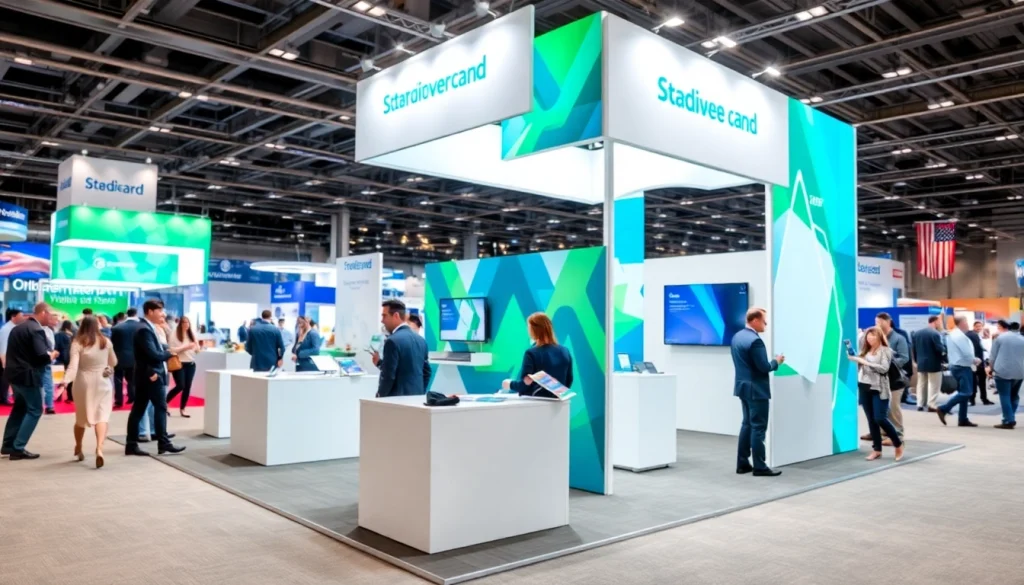
A trade show booth acts as the face of your brand at trade events, providing an interactive platform to engage with potential customers, partners, and the media. It is a physical representation of your brand’s identity, where you can communicate your values, showcase your expertise, and present your products or services in an engaging manner. A strategically designed booth can captivate passersby, drawing them into your space and creating opportunities for meaningful interactions.
Common Objectives for Trade Show Participation
Identifying clear objectives before participating in a trade show is crucial for maximizing the effectiveness of your booth. Common objectives include:
- Lead Generation: Capturing contact information from interested attendees to follow up after the event.
- Brand Awareness: Enhancing visibility and recognition of your brand among industry peers and potential customers.
- Networking: Building relationships with partners, suppliers, and other industry leaders.
- Market Research: Gathering feedback on your products and observing industry trends through direct interactions with attendees.
- Sales Opportunities: Closing deals on-site or initiating conversations that lead to future sales.
Measuring Success and ROI of Your Trade Show Booth
To justify the investment in a trade show booth, businesses need to measure its success effectively. Key performance indicators (KPIs) include:
- Number of Leads: Count the leads generated during the event to quantify interest.
- Conversions: Track how many leads convert into actual sales post-event.
- Engagement Metrics: Assess booth traffic, attendee interactions, and demonstrations.
- Brand Recall: Survey attendees post-show to measure brand recall, assessing whether they remember engaging with your booth.
- Return on Investment: Calculate ROI by comparing the costs of participation against the generated leads and subsequent sales.
Essential Elements of an Effective Trade Show Booth
Designing an effective trade show booth involves several key elements that can transform a simple space into an engaging experience. Here we explore essential design principles, material selection, and the integration of interactive elements.
Design Principles for Standout Booths
Effective design is paramount for distinguishing your booth from others. Here are some guiding principles:
- Simplicity: A clutter-free design allows visitors to absorb information quickly, making your message clearer.
- Branding Consistency: Use consistent colors, logos, and themes that resonate with your overall brand strategy.
- Use of Space: Design your booth layout for easy navigation, emphasizing openness and accessibility.
- Visual Appeal: Utilize high-quality graphics, lighting, and multimedia to attract attention.
- Interactive Elements: Incorporate tools like touchscreens or product demonstrations to engage attendees.
Choosing the Right Materials and Props
The materials selected for your booth directly impact its aesthetics, durability, and installation ease. Common material options include:
- Fabric: Lightweight and portable, fabric displays can produce vibrant graphics with ease.
- Modular Systems: These allow for flexibility in design and setup, enabling custom configurations.
- Wood and Metal: Offering a robust and upscale look, these materials can enhance the quality perception of your brand.
- Interactive Displays: Use technology to provide hands-on experiences that deepen engagement with products.
Creating an Interactive Experience for Attendees
Interaction is crucial in capturing and sustaining attention. Some effective strategies include:
- Live Demonstrations: Providing real-time product demonstrations can illustrate benefits and functionalities effectively.
- Gamification: Incorporate games or contests where attendees can win prizes, thereby drawing them into your space.
- Photo Opportunities: Create visually appealing backdrops that encourage attendees to take photos and share them on social media.
- Interactive Technology: Utilize virtual reality (VR) or augmented reality (AR) experiences to create a memorable engagement.
Planning and Logistics for Your Trade Show Booth
Successful trade show participation goes beyond booth design; it involves meticulous planning and logistics management. Proper preparation ensures that you have the necessary resources and timeline to execute a flawless event.
Budgeting for Your Trade Show Presence
Budgeting is a fundamental step in planning for a trade show. Costs to consider include:
- Booth Space Rental: This is often a significant portion of your overall budget.
- Design and Construction: Consider the costs associated with designing, producing, and setting up your booth.
- Marketing Materials: Allocate funds for brochures, business cards, promotional items, and digital content.
- Accommodations and Travel: Factor in expenses related to travel, lodging, and per diems for staff attending the event.
- Post-Event Follow-Up: Don’t forget to budget for actions following the event, such as email follow-ups or additional marketing efforts targeting leads generated.
Timeline and Resources Required for Setup
Establishing a realistic timeline is essential to ensure everything is in place before the event starts. Key steps include:
- Planning Phase: Begin planning 6-12 months in advance, finalize booth design and marketing strategies early on.
- Production Phase: Allow at least 2-4 months for booth construction, especially for custom designs.
- Logistics Management: Coordinate all shipping needs, and ensure supplies arrive on time.
- Stand Assembly: Schedule a specific time for setup to familiarize your team with the booth layout and materials.
Transportation and Storage Considerations
Planning for logistics extends to transportation and storage. Key aspects include:
- Shipping Arrangements: Arrange transport for your booth well in advance, considering cost-effectiveness and timeliness.
- Storage: Identify whether your booth requires special storage or handling to prevent damage during transportation.
- Insurance: Protect your investment with insurance for potential loss or damage during transit.
Engaging Your Audience at the Trade Show Booth
Once your booth is set up, engaging with visitors is crucial to making the most out of your participation. By employing strategic tactics, businesses can create meaningful and lasting connections with attendees.
Tips for Effective Staff Training and Interaction
Your booth staff represents your brand and plays a pivotal role in audience engagement. Consider the following tips for effective training and interaction:
- Product Knowledge: Ensure all staff members are well-versed in the products or services on display.
- Engagement Skills: Train staff on how to approach attendees, initiate conversations, and respond to inquiries effectively.
- Lead Collection: Develop a systematic approach for collecting leads to ensure no potential opportunity is overlooked.
- Scheduled Breaks: Plan for breaks without compromising engagement, ensuring staff is fresh and focused throughout the event.
Utilizing Technology to Enhance Visitor Engagement
Incorporating technology into your booth can profoundly enhance visitor engagement. Consider the following tools:
- Interactive Kiosks: Provide touchscreen displays where attendees can discover more about your offerings.
- Event Apps: Utilize apps that attendees can download to interactively learn about your booth and schedule meetings.
- Social Media Integration: Encourage attendees to share their experiences on social media in real-time for broader visibility.
- Live Demos or Webinars: Streaming live product demonstrations can help reach a broader audience beyond just those present at the event.
Post-Event Follow-Up Strategies
The follow-up process is crucial to converting leads into sales. Implement these strategies:
- Timely Responses: Contact leads within a week of the event to maintain engagement and interest.
- Personalized Communication: Tailor your messages based on interactions and interests expressed during the event.
- Surveys for Feedback: Solicit feedback regarding their experience to improve future engagements and offerings.
- Offer Value: Consider exclusive follow-up promotions or resources that can entice potential customers to convert.
Trends and Innovations in Trade Show Booth Design
As trade shows evolve, so do design trends, influenced by advances in technology, sustainability efforts, and shifts in consumer preferences. Understanding these trends can help businesses stay ahead of the curve and meet the expectations of modern attendees.
Eco-Friendly and Sustainable Booth Options
With growing awareness of environmental issues, many businesses are turning towards sustainable practices in their trade show booths. This may include:
- Sustainable Materials: Using recyclable, biodegradable, or repurposed materials can set your booth apart while promoting environmental responsibility.
- Minimizing Waste: Design booths that are easy to assemble and disassemble to reduce waste.
- Energy Efficiency: Implement energy-saving lighting solutions, such as LED lights, to reduce costs and environmental impact.
- Reusable Elements: Invest in displays that can be reused for multiple events rather than single-use products.
Incorporating Augmented Reality and Virtual Experiences
AR and VR technologies are becoming increasingly popular in trade shows, offering unique immersive experiences. They can help:
- Enhanced Product Demonstrations: Allow attendees to visualize products in a simulated environment for deeper understanding.
- Virtual Tours: Enable attendees to explore large or complex products or services without the need for physical space.
- Engagement Metrics: Utilize analytics from AR or VR interactions to better understand visitor behaviors and preferences.
Future Predictions for Trade Show Booths
As we look to the future, several trends are expected to shape the landscape of trade show booths:
- Hybridity: The integration of virtual and in-person experiences will allow businesses to reach larger audiences and maintain engagement beyond the event.
- Personalization: Customization will reign supreme, from booth design to tailored visitor experiences based on collected data.
- Improved Analytics: Data-driven insights will be crucial in shaping future strategies and evaluating booth performance.
- User-Centric Design: Focusing on attendee experience and journey will be paramount in booth design and functionality.