
Understanding Mudjacking
What is Mudjacking?
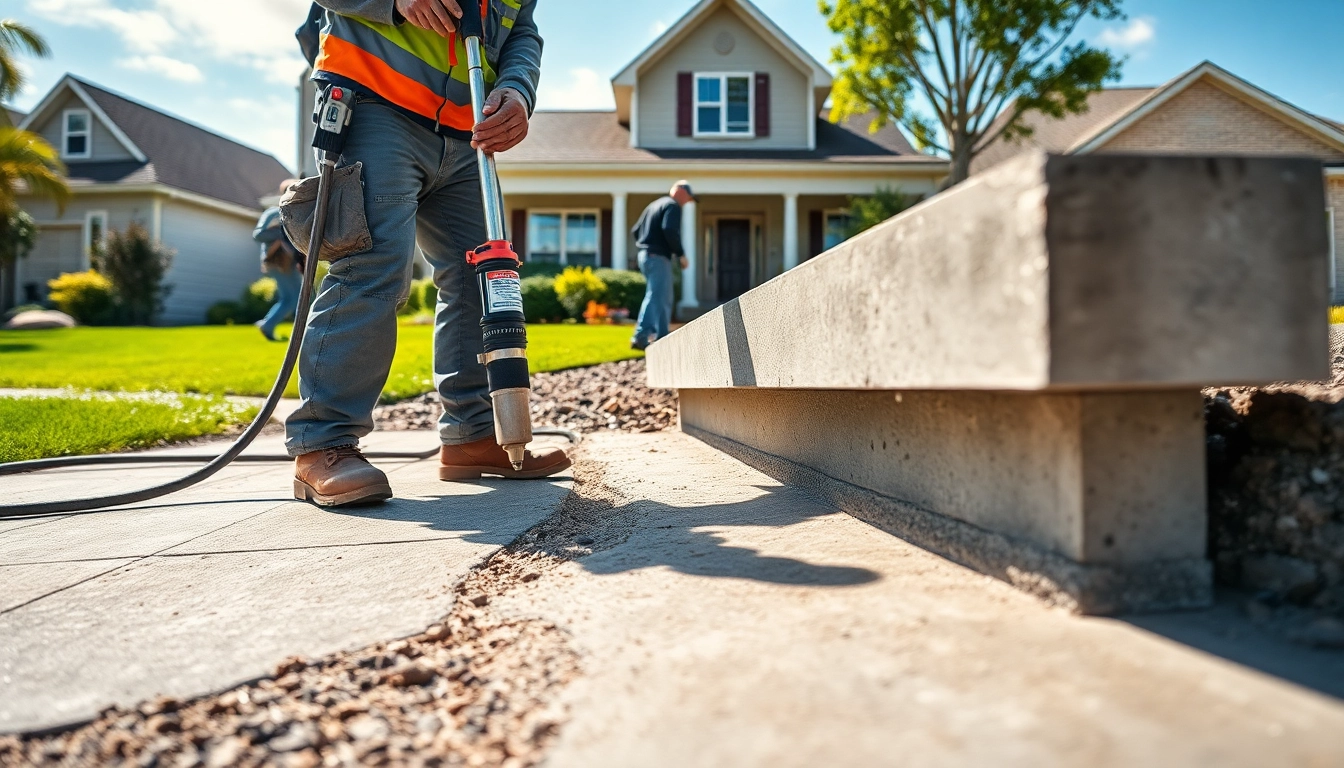
Mudjacking is a technique used to lift and stabilize sunken concrete slabs. The process involves injecting a mixture of soil, water, and cement beneath the concrete surface, which helps to raise it back to its original position. This method is particularly effective for various concrete structures, including driveways, sidewalks, patios, and foundations. As compared to complete concrete replacement, Mudjacking is a cost-effective option that offers a permanent fix for settling concrete.
The Science Behind Mudjacking
The underlying principle of mudjacking lies in the hydraulic pressure created by the injected mixture. The slurry expands in the voids beneath the slab, which pushes the concrete upwards. This process relies on the natural weight distribution of the concrete and the structural integrity of the surrounding earth. A precise ratio of materials used in the mudjacking slurry is crucial; too much water can weaken the mixture, while too little may not fill the voids sufficiently. Understanding the soil composition and moisture levels can significantly affect the overall success of the mudjacking process.
Common Applications of Mudjacking
Mudjacking finds its applications in numerous areas, predominantly in residential and commercial settings. Some of the most common uses include:
- Driveways: Over time, driveways can settle due to soil erosion or inadequate drainage. Mudjacking raises the driveway surface, preventing water pooling and ensuring a safer and more appealing entrance.
- Patios and Walkways: Uneven surfaces can pose tripping hazards. Mudjacking restores the levelness of patios and walkways, enhancing aesthetic appeal and usability.
- Basement Floors: In homes with basements, sunken floors can lead to water seepage issues. Raising the concrete using mudjacking can mitigate these concerns, promoting better water drainage.
- Commercial Properties: For businesses, customer safety is paramount. Mudjacking not only restores the safety of walkways and parking lots, but it also helps maintain the property’s value.
Benefits of Mudjacking
Cost-Effectiveness Compared to Replacement
One of the standout advantages of mudjacking is its cost-effectiveness. The process generally costs significantly less than complete concrete replacement. While replacing concrete involves breaking out existing slabs, hauling away debris, and pouring new concrete, mudjacking is a much less invasive process. Homeowners can expect to pay anywhere from 50% to 70% less, making it an attractive option for those looking to maintain their property without overspending.
Sustainability and Environmental Impact
In our modern context, sustainability plays a vital role in home improvement choices. Mudjacking is an environmentally friendly solution that minimizes waste. By repairing existing concrete instead of tearing it out, there is less debris sent to landfills. Additionally, the materials used for mudjacking can be locally sourced, further reducing environmental footprints. This not only helps preserve natural resources but also demonstrates a commitment to environmentally responsible practices.
Improving Home Safety and Value
Sunken concrete can create hazards that pose risks to both residents and visitors. By addressing these issues promptly with mudjacking, homeowners enhance safety, preventing accidents caused by uneven surfaces. Furthermore, maintaining the integrity of concrete structures can lead to improved home value; potential buyers often prefer properties with well-maintained exteriors. In the competitive housing market, presenting a home with no visible defects can significantly boost its appeal and resale value.
Preparing for a Mudjacking Project
Assessing Your Concrete Needs
Before initiating a mudjacking project, it’s crucial to assess the specific needs of your concrete surfaces. Homeowners should look for signs of settling or cracking. Notable indicators include visible gaps between the slab and surrounding structures, pooling water on surfaces, and noticeable tilting. Conducting a thorough inspection or consulting with professionals can provide insights into whether mudjacking is the right solution. Identifying the extent of the damage also helps in estimating the costs and scope of the project.
Choosing Qualified Professionals
While mudjacking may appear straightforward, hiring qualified professionals is imperative to ensure quality work and lasting results. When selecting a contractor, homeowners should consider the following:
- Experience: Look for contractors with years of experience specifically in mudjacking techniques.
- References: Request and check customer reviews and references to gauge the satisfaction of previous clients.
- Licenses and Insurance: Ensure that the contractor has the necessary licenses and insurance coverage to perform the job safely and legally.
- Guaranteed Work: A reputable contractor should offer warranties or guarantees on their work, ensuring satisfactory results.
Planning for Downtime and Usage
Engaging in a mudjacking project may necessitate planning around potential downtime. Depending on the size and scope of the job, concrete surfaces may need to be used carefully post-treatment. Homeowners should consult with their contractor about the expected downtime for different surfaces, as some may only require a few hours before they can bear weight again, while others may need a full day. To facilitate proper curing and prevent damage, it’s best to restrict access to treated areas for the recommended time.
The Mudjacking Process
Steps Involved in Mudjacking
The mudjacking process typically involves several key steps:
- Assessment: A thorough inspection is conducted to determine the extent of damage and the best approach for mudjacking.
- Preparation: The contractor prepares the site by removing debris and assessing the equipment needed for the job.
- Drilling Holes: Small holes are drilled into the sunken slab to facilitate the injection of the slurry.
- Injection of Slurry: The mudjacking mixture is injected through the drilled holes under pressure to fill voids and raise the slab.
- Monitoring Changes: As the slurry is added, the contractor monitors the movement of the concrete to achieve the desired level.
- Finishing Touches: Once the slab is raised, the holes are patched up, and any necessary surface repair work is completed.
Tools and Materials Used in Mudjacking
Several tools and materials are essential for a successful mudjacking project:
- Drilling Equipment: Power drills are required to create holes in the sunken concrete.
- Pump System: Hydraulic pumps are used to inject the mudjacking mixture into the voids.
- Slurry Mix: The mudjacking slurry typically consists of a mixture of cement, soil, and water.
- Mixing Equipment: Mixing tools are needed to ensure the correct consistency of the slurry.
Safety Precautions During Mudjacking
Safety is paramount during the mudjacking process. Some essential precautions include:
- Protective Gear: Contractors should wear appropriate protective gear, including gloves, masks, and goggles, to prevent exposure to dust and chemicals.
- Site Safety: Ensure the work area is clear and secure to prevent accidents. This includes marking the area and restricting access.
- Listening to Equipment: Operate machinery carefully and listen for unusual noises that may indicate equipment malfunction.
Post-Mudjacking Considerations
Maintenance Tips for Repaired Concrete
After the mudjacking process is complete, a few maintenance tips can help ensure longevity:
- Regular Inspections: Periodically check the lifted areas for signs of settling or cracks, which may indicate the need for additional repairs.
- Water Drainage: Ensure proper drainage around the repaired areas to prevent water from accumulating and causing future issues.
- Cleansing: Keep surfaces clean and clear of debris, which can accelerate wear and damage.
When to Seek Further Repairs
Monitoring your concrete after mudjacking is essential. Homeowners should consider consulting professionals when:
- The previously lifted areas begin to settle again.
- New cracks appear in the concrete or surrounding structures.
- Water pooling is evident in the repaired areas, indicating potential drainage issues.
Evaluating Long-Term Benefits of Mudjacking
Over time, the benefits of mudjacking become apparent. A concrete surface repaired through this method can continue to serve well for many years if properly maintained. The long-term advantages include:
- Cost Savings: With the reduced need for replacement and minimal ongoing maintenance required, homeowners can save significantly.
- Increased Safety: Well-maintained surfaces contribute to the overall safety of the property.
- Enhanced Property Value: Those who invest in mudjacking can enhance their property value by presenting a well-maintained and structurally sound exterior.