Understanding Steel Structure Design
Introduction to Steel Structure Design
Steel structure design is a critical discipline within the fields of architecture and civil engineering. This approach not only emphasizes the aesthetic appeal of buildings but also highlights the importance of functionality, durability, and safety. As modern infrastructure evolves, the principles of steel structure design have become integral to constructing facilities such as skyscrapers, bridges, and industrial plants. The steel structure design process helps in ensuring that structures can withstand various loads and environmental factors while maximizing efficiency and sustainability.
Importance of Structural Integrity
Structural integrity is paramount in steel structure design. It refers to the ability of a structure to withstand its intended load without experiencing failure due to buckling, bending, or fractures. Achieving high structural integrity involves meticulous planning, precise calculations, and the effective use of materials. Structural engineers often utilize advanced modeling software to simulate stress conditions, enabling them to optimize design parameters and predict potential failures. This proactive approach helps in creating buildings that not only fulfill their aesthetic and functional roles but also ensure public safety and longevity.
Key Elements of Steel Structure Design
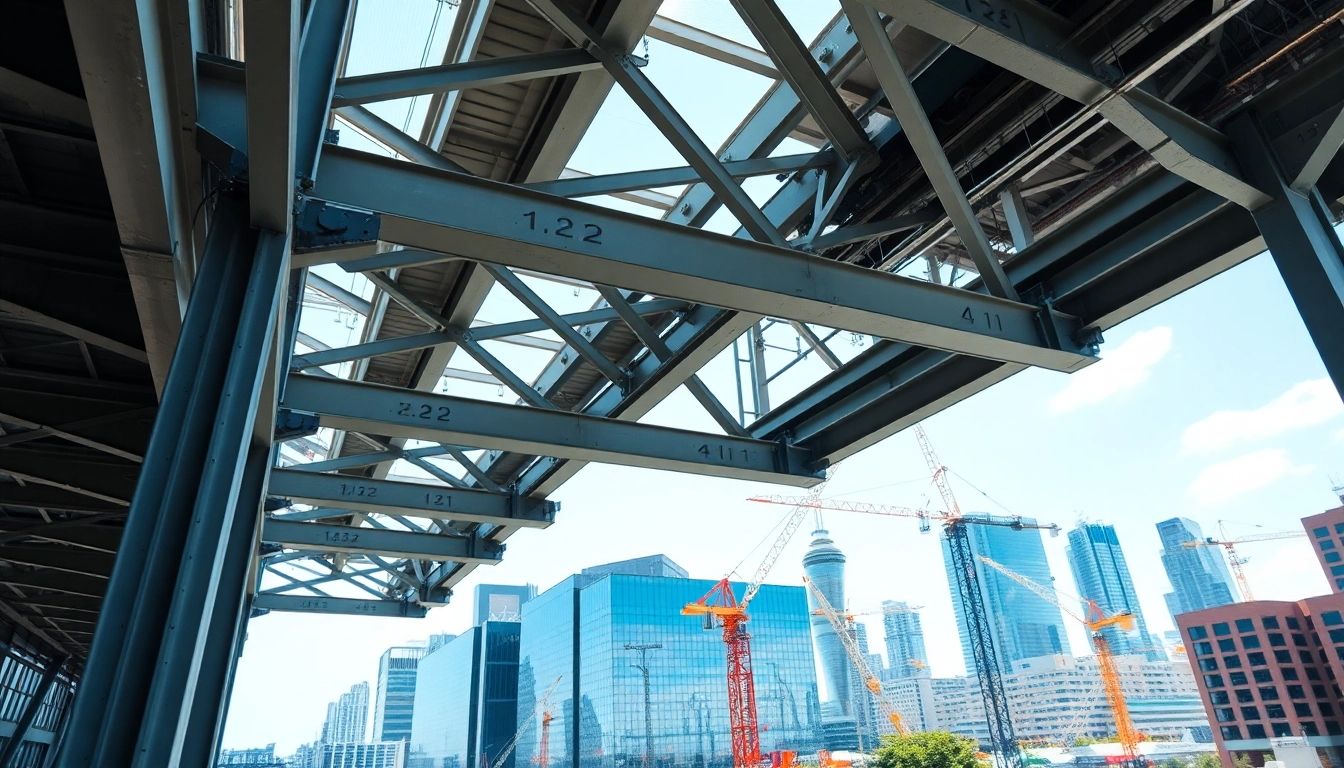
The key elements of steel structure design encompass various components, including beams, columns, trusses, and connections. Each plays a vital role in the overall performance of the structure:
- Beams: Horizontal structural members designed to support loads from above and transfer them to vertical supports.
- Columns: Vertical elements that bear axial loads and contribute to the stability of the structure.
- Trusses: Frameworks consisting of triangular units that distribute loads evenly and are widely used in roofs and bridges.
- Connections: Joints that link different components and ensure the structural continuity, critical for load transfer and stability.
Factors Influencing Steel Structure Design
Environmental Considerations
Environmental factors play a significant role in steel structure design. These considerations include wind loads, seismic activity, temperature fluctuations, and humidity levels. Each factor can affect the overall design, material selection, and construction methods. For instance, structures located in regions prone to earthquakes require special attention to minimize risks associated with seismic loads. Incorporating flexible designs, such as base isolators and dampers, can significantly enhance structural performance under dynamic conditions.
Load-Bearing Requirements
Understanding the load-bearing requirements is crucial for effective steel structure design. Loads can be classified into dead loads (the weight of the structure itself), live loads (occupants, furniture, and equipment), and environmental loads (wind, snow, earthquakes). Engineers perform rigorous calculations using relevant building codes and standards to determine how much load each structural component must carry. Accurate assessments ensure that designs are both resource-efficient and capable of maintaining structural integrity throughout their lifespan.
Material Selection and Sourcing
Material selection is a vital aspect of steel structure design, influencing costs, structural performance, and durability. Various grades of steel are available, each with unique properties suited for different applications. Factors such as yield strength, ductility, corrosion resistance, and weldability guide the selection process. Additionally, sourcing materials from local suppliers can reduce transportation costs and minimize the environmental impact associated with long-distance shipping. Employing sustainable materials and practices during the sourcing phase can also contribute to green building certifications and enhance public perception.
Design Best Practices for Steel Structures
Maximizing Efficiency and Cost
Maximizing efficiency in steel structure design involves both optimizing material usage and embracing innovative methodologies. Techniques such as modular construction, where components are prefabricated off-site, can significantly reduce construction time and costs. Moreover, employing computer-aided design (CAD) tools allows for iterative design processes, ensuring precision and reducing material waste. Engineers also analyze lifecycle costs, considering maintenance and operational expenses alongside initial construction costs, to enhance overall project feasibility.
Safety Standards and Compliance
Adhering to safety standards and building codes is non-negotiable in steel structure design. These regulations ensure that structures can safely accommodate expected loads and resist various hazards. Compliance with national and local standards, such as the American Institute of Steel Construction (AISC) guidelines, is essential for obtaining necessary permits and ensuring ongoing facility safety. Regular inspections and adherence to maintenance schedules further fortify the integrity of steel structures throughout their operational life.
Innovative Design Techniques
Innovative design techniques are transforming the landscape of steel structure design. Advanced modeling software, like Building Information Modeling (BIM), allows engineers to simulate not only structural behavior but also energy efficiency and environmental impact. Techniques such as parametric design enable designers to explore a multitude of configurations rapidly, fostering creativity and adaptability in structural applications. Incorporating smart technology, such as sensors for health monitoring, is also an emerging trend that enhances maintenance and operational efficiency.
Common Challenges in Steel Structure Design
Dealing with Environmental Stressors
Environmental stressors such as severe weather conditions, temperature variations, and soil instability pose significant challenges in steel structure design. Engineers must develop adaptive strategies to address these issues. For example, using weather-resistant coatings helps prevent corrosion, while flexible structural designs can absorb seismic shocks. Conducting thorough site assessments before design commencement is essential to understand local conditions and mitigate risk factors associated with environmental stressors.
Technological Limitations
While technology greatly enhances steel structure design, certain limitations still exist. Software inconsistencies, limitations in design modeling, and reliance on outdated standards can hinder progress. To overcome these obstacles, continuous education and training of engineers in the latest tools and techniques are crucial. Moreover, collaboration between multidisciplinary teams can facilitate knowledge sharing and problem-solving, ensuring that technological advancements are maximized in real-world applications.
Budget and Resource Constraints
Budget constraints are a common challenge faced in any construction project, including those involving steel structures. There is often a delicate balance between achieving design ambitions and adhering to financial limitations. Engineers and project managers must engage in meticulous planning and prioritization of resources to maximize the outcomes within budget. Strategies such as value engineering, which involves analyzing functions to reduce costs while maintaining quality, can help navigate financial constraints effectively.
The Future of Steel Structure Design
Emerging Trends and Technologies
The future of steel structure design looks promising, characterized by technological innovations and a focus on sustainability. Trends such as 3D printing of structural components and the reuse of materials from decommissioned buildings are becoming more prevalent. Industry leaders are also exploring the integration of digital twins, which create virtual replicas of physical structures, allowing for enhanced monitoring and data analysis throughout the lifecycle of the building.
Sustainable Design Practices
Sustainability in steel structure design is becoming increasingly vital as the construction industry acknowledges its role in environmental stewardship. Incorporating sustainable design practices, such as using recycled steel and optimizing energy efficiency, reduces the carbon footprint of construction projects. Additionally, designing buildings that are adaptable to future needs can significantly enhance lifecycle sustainability, minimizing the need for extensive renovations or demolitions in the future.
Case Studies of Revolutionary Projects
Analyzing revolutionary projects provides insight into the possibilities within steel structure design. Iconic buildings like The Shard in London showcase the unprecedented aesthetic and structural capabilities of steel through its innovative design and engineering. Similarly, structures such as the Sydney Harbour Bridge exemplify how steel can be utilized to create lasting icons of urban environments. These case studies highlight the potential of steel structure design to transcend traditional boundaries and embrace new paradigms of construction.
In conclusion, steel structure design is an evolving field that combines various disciplines to create safe, efficient, and visually striking structures. By understanding the key principles, addressing challenges, and embracing innovative practices, engineers and architects can continue to push the boundaries of what is possible in modern construction. As sustainability and technology become central themes in the design process, the future of steel structures is poised for groundbreaking advancements that will redefine our built environment.