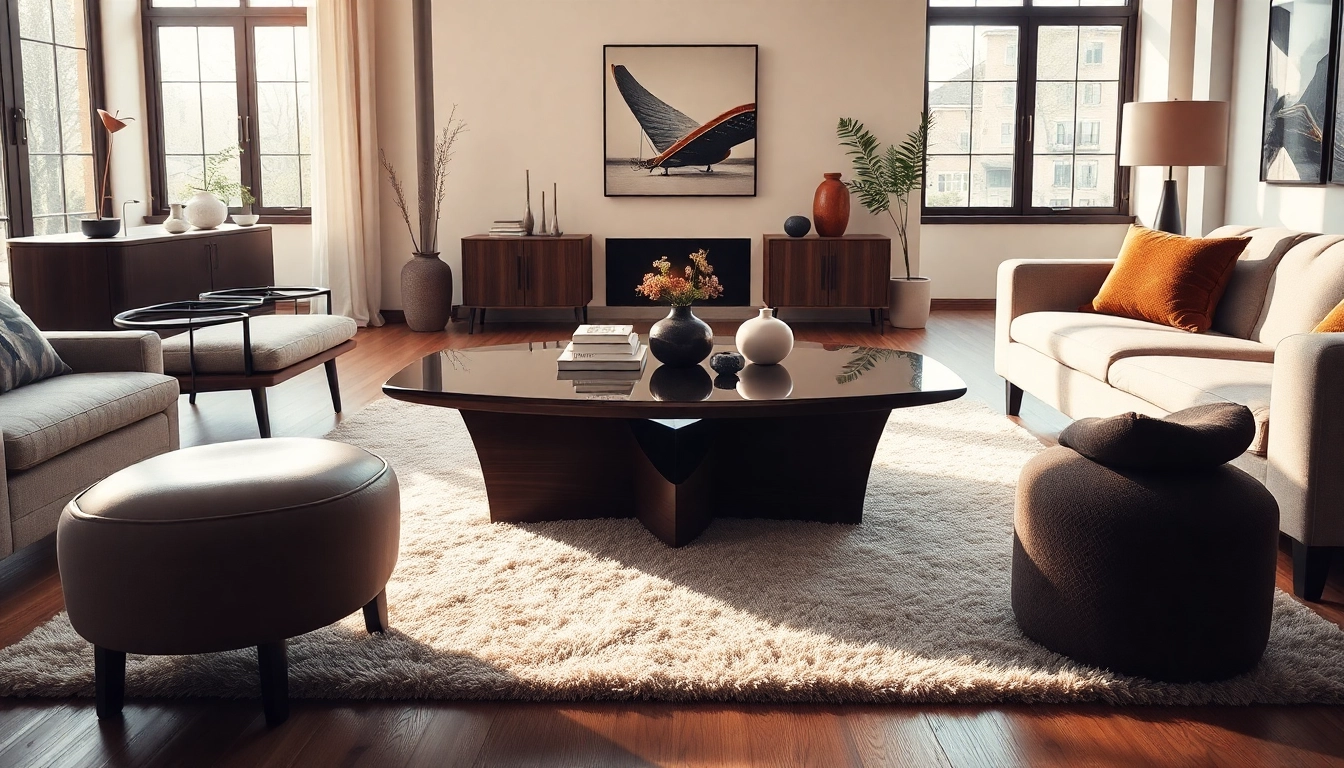
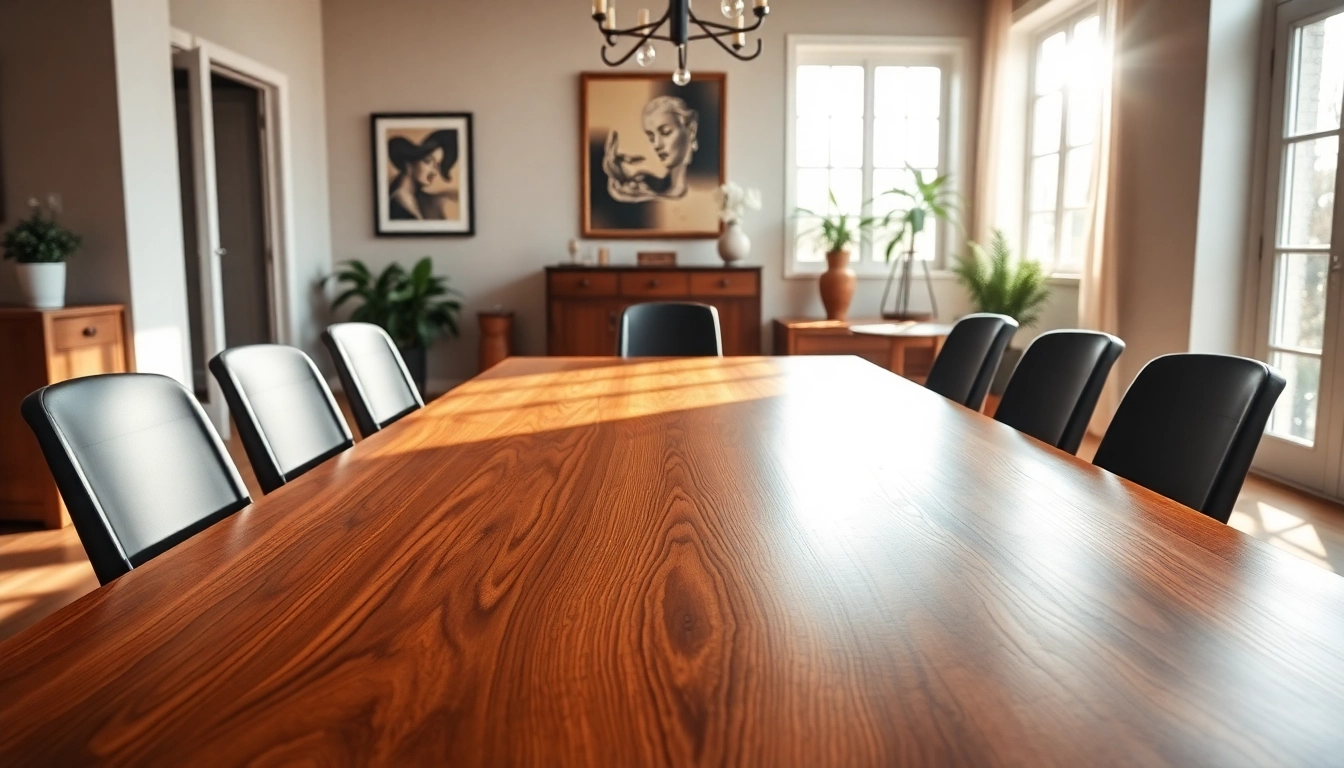
Understanding Solid Wood Tables
In the realm of furniture, few pieces capture the essence of durability, elegance, and warmth quite like Solid wood tables. These tables serve not just as functional surfaces but as the heart of a home where families gather, friends celebrate, and memories are made. Understanding solid wood tables encompasses their definition, benefits, the types of wood used, and their various uses in contemporary spaces.
What Defines Solid Wood Tables?
Solid wood tables are crafted entirely from natural timber, showcasing the unique characteristics of the wood without the addition of engineered products like particleboard or MDF (medium-density fiberboard). Unlike veneered tables, which may feature a thin layer of quality wood over a composite base, solid wood tables emphasize craftsmanship with the beauty of unaltered timber. This authenticity not only enhances aesthetic appeal but also signifies longevity, making them a treasured investment for any household.
The Benefits of Choosing Solid Wood
Investing in solid wood tables comes with numerous advantages. Some of the key benefits include:
- Durability: Solid wood tables are robust and resilient. They can withstand heavy use, making them ideal for high-traffic areas like dining rooms and kitchens.
- Timeless Aesthetic: The natural beauty of wood grain and its ability to age gracefully gives solid wood tables a classic appeal that suits various design styles, from rustic to modern.
- Easy Restoration: Scratches and dents can often be sanded out or touched up, allowing the tables to maintain their appeal for many years.
- Environmental Sustainability: When sourced properly, solid wood manufacturing can be sustainable, contributing positively to forest management and reducing reliance on synthetic materials.
- Increased Value: Quality solid wood furniture can appreciate over time, often becoming valuable heirlooms passed down through generations.
Popular Types of Wood Used in Tables
Different species of wood offer varied aesthetics, durability, and grain patterns. Some of the most popular options for solid wood tables include:
- Oak: Known for its strength and traditional aesthetics, oak features a prominent grain, making it popular for both formal and informal settings.
- Walnut: Walnuts are distinguished by their rich, dark hues and fine grain, often used in high-end tables that exude luxury.
- Maple: A favorite for its light color and fine grain, maple offers a clean, contemporary look and is noted for its hardness.
- Cherry: Cherry wood is known for its warm tones that deepen and develop a beautiful patina over time, lending a classic charm.
- Pine: A softer wood option that offers affordability, pine is often embraced for its rustic appearance and ease of finishing.
Designing with Solid Wood Tables
When it comes to integrating solid wood tables into a living space, it’s essential to consider both style and functionality. Thoughtful design choices enhance the table’s presence while ensuring it harmonizes with the surrounding decor.
Finding the Right Style for Your Space
The right solid wood table can elevate your dining experience, and selecting a style that complements your home is crucial. Here are several popular styles:
- Rustic: Characterized by its natural finish and distressed edges, rustic solid wood tables often incorporate reclaimed wood, adding historical significance to the piece.
- Modern: Featuring sleek lines and minimalist designs, modern solid wood tables often emphasize natural wood finishes and simple forms.
- Transitional: A blend of traditional and modern styles, transitional tables incorporate elegant details and clean silhouettes, making them versatile for various settings.
- Farmhouse: Combining functionality with a warm, inviting feel, farmhouse tables feature chunky bases and sometimes incorporate mixed materials for aesthetic interest.
Color and Finish Options Explained
Choosing the right finish for your solid wood table can significantly affect its look and longevity. Here are a few options to consider:
- Natural Finish: Shows off the natural beauty of the wood grain, enhancing its authentic appeal.
- Stained Finish: Allows for color customization; darker stains can give a rich, sophisticated appearance.
- Painted Finish: Adds color to match specific decor styles, commonly used in farmhouse and contemporary designs.
- Sealants: Given water and heat resistance, clear sealants can help protect the wood while maintaining its natural look.
Combining with Other Furniture
When integrating solid wood tables into your home, it’s important to consider their compatibility with other furniture. Here are some best practices:
- Contrast with Upholstered Chairs: Pairing a solid wood table with upholstered seating can soften the look, providing comfort and style.
- Mixing Materials: Combining wood with metal or glass accents can create a dynamic contrast and enhance visual interest in the space.
- Matching Colors: Coordinate finishes and colors throughout the room for a cohesive design scheme, whether it’s through wood tones, fabric patterns, or accent pieces.
Maintenance and Care Tips
Proper care and maintenance are essential to preserve the beauty and integrity of your solid wood table. Understanding effective cleaning and maintenance strategies can extend the life of your investment considerably.
Daily Cleaning Practices
Maintaining cleanliness not only helps keep solid wood tables looking good but also protects the surface from damage:
- Dust Regularly: Use a soft, dry cloth to dust the surface, avoiding abrasive materials that could scratch the finish.
- Use Gentle Cleaners: For deeper cleaning, utilize a mild soap solution and a damp cloth. Avoid harsh chemicals that can strip the finish.
- Coasters and Placemats: Always use coasters for drinks and placemats for hot dishes to prevent unsightly rings and heat damage.
Long-Term Care Strategies
To ensure long-term durability of solid wood tables, consider the following care practices:
- Humidity Control: Wood can expand and contract with changes in humidity, so maintaining stable humidity levels in your home is beneficial.
- Re-Application of Finish: Depending on usage, be prepared to apply a fresh coat of finish every few years to protect the surface.
- Wipe Up Spills Immediately: Protect wood surfaces by cleaning spills promptly with a soft cloth to prevent staining.
Restoration and Refinishing Techniques
Over time, even the best-kept tables may show wear and tear. Knowing how to restore or refinish can revive a solid wood table:
- Sanding: Light sanding can remove scratched finishes without damaging the wood beneath. Use fine-grit sandpaper for best results.
- Staining and Sealing: After sanding, you may want to stain the wood or apply a sealant to maintain its beauty while adding protection.
- Professional Help: For significant damage, consider professional restoration services that specialize in solid wood furniture.
Shopping for Solid Wood Tables
When shopping for solid wood tables, understanding the nuances of quality craftsmanship and value is crucial for making an informed decision.
What to Look for in Quality Craftsmanship
Quality craftsmanship ensures the longevity and structural integrity of your table. Key factors to consider include:
- Joinery Techniques: Examine joints, opting for sturdy wooden joints (like mortise and tenon) over weaker techniques like staples or screws.
- Wood Quality: Look for tables made from solid planks rather than composite materials. Check for uniform grain patterns and absence of defects.
- Finish Quality: A superior finish not only enhances appearance but also offers protection. Inspect for smoothness without runs or splotches.
Understanding Pricing and Value
Pricing for solid wood tables can range significantly based on materials, craftsmanship, and design. Here’s what influences costs:
- Material Quality: Premium woods such as walnut or cherry typically command higher prices due to their rarity and aesthetic appeal.
- Craftsmanship and Design: Custom pieces and handcrafted tables usually reflect higher prices due to the labor-intensive processes involved.
- Size and Complexity: Larger tables with elaborate designs may also be priced higher.
Online vs. In-Store Purchases
Deciding where to purchase your solid wood table involves weighing the pros and cons of online shopping versus traditional retailers:
- Online Pros: Greater selection and often better prices. Check for reviews and ratings for insight into quality and customer satisfaction.
- In-Store Pros: The ability to physically inspect the table for quality and comfort. Sales associates can provide valuable insights into care and maintenance.
- Return Policies: Understand the return policy offered by your chosen retailer, ensuring you can return or exchange if the table does not meet your expectations.
Incorporating Solid Wood Tables into Your Lifestyle
Solid wood tables are more than just functional pieces; they play a pivotal role in creating spaces that nurture connections and celebrate life’s moments. Understanding how to adapt these tables to different life scenarios enhances their value further.
Creating a Warm and Inviting Dining Atmosphere
A solid wood dining table sets the stage for gatherings and shared meals. Here are tips to create a warm ambiance:
- Adjust Lighting: Use soft, warm lighting to enhance the wood’s natural beauty and create an inviting atmosphere.
- Seasonal Decor: Incorporate seasonal centerpieces or table settings that reflect the changing seasons and create a personalized dining experience.
- Comfortable Seating: Ensure adequate and comfortable seating arrangements encourage guests to linger and enjoy their time around the table.
Adapting to Different Occasions
Solid wood tables effortlessly transition across various occasions, from casual family dinners to elegant dinner parties. Consider these approaches:
- Flexible Layouts: Arrange the table for both small intimate meals and large gatherings, using table extensions if available.
- Stylized Settings: Change table settings to suit the occasion, from formal dinnerware to relaxed picnic-style dining.
- Enhancing Mood: Match decor and arrangement with the occasion, creating an environment that invites guests to relax and enjoy.
Sharing Memories Around Your Table
Finally, the most critical aspect of a solid wood table is its role in memory-making. Here’s how it can be a source of connection:
- Meal Traditions: Establish family traditions around your table, be it weekly dinners or holiday celebrations, to create lasting memories.
- Storytelling: Encourage storytelling during meals, fostering connections between generations that gather around the table.
- Customization: Consider personalizing your solid wood table with shared memories etched into the surface or custom engravings that celebrate your family history.