
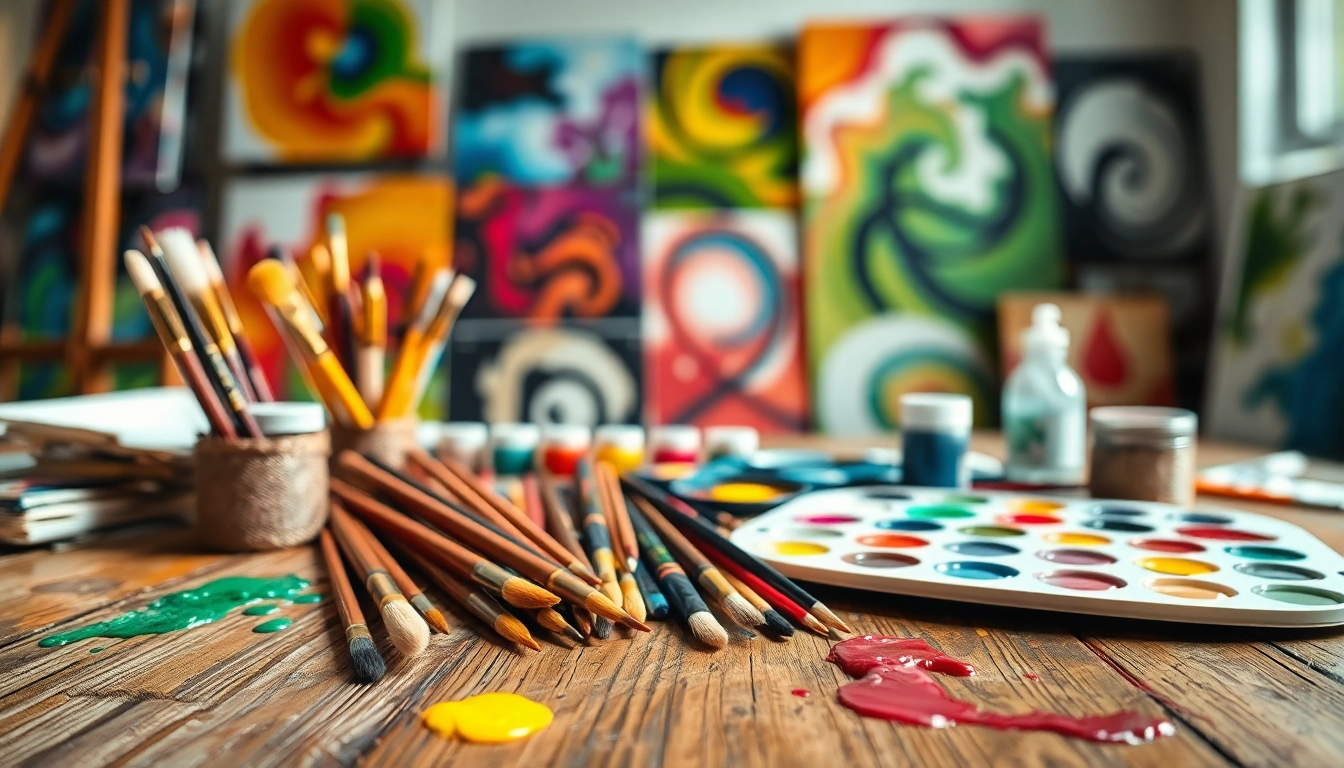
Acrylic Basics for Beginners
Acrylic painting offers artists a vibrant and versatile medium to express their creativity. Whether you are a novice or an experienced artist, understanding the basics can elevate your skills. This comprehensive guide will delve into the essentials of acrylic paint, tools, and media types to set you on the right path. If you’re curious to explore a plethora of resources related to acrylics, check out https://acrylicpedia.com.
What is Acrylic Paint?
Acrylic paint is a fast-drying, water-soluble medium composed of pigments suspended in acrylic polymer emulsion. Known for its versatility, this paint can be used in various applications, from canvas art to home decor projects. Once dry, it becomes water-resistant and durable, making it a popular choice among artists of all levels.
The primary advantages of acrylic paint include:
- Quick Drying Time: Allows artists to layer and work rapidly without long waits.
- Versatility: Can be used on various surfaces – canvas, wood, fabric, and more.
- Color Vibrancy: Offers bright, saturated colors that remain consistent even after drying.
- Easy Cleanup: Water-soluble when wet, meaning brushes and tools can be cleaned easily.
Essential Acrylic Tools
To get started with acrylic painting, having the right tools is crucial. Here is a list of essential supplies:
- Paint Brushes: A variety of shapes and sizes will help create different effects.
- Palette: Used for mixing paints; it can be made of wood, plastic, or paper.
- Easel: Provides a stable setup for painting on a canvas.
- Water Container: For rinsing brushes and thinning paint.
- Palette Knife: Ideal for mixing colors and applying paint in textured ways.
Understanding Acrylic Media Types
Besides traditional acrylic paint, various media can enhance your creativity. These include:
- Acrylic Ink: Offers a thinner consistency and vibrant color for fine details.
- Acrylic Markers: Provide precision and control for detailed work.
- Acrylic Mediums: These additives can alter texture, transparency, and drying times, allowing for endless experimentation.
- Acrylic Gels and Pastes: Enable texture and thick applications to create visual interest.
Techniques for Mastering Acrylics
Mastering acrylics involves not just learning how to apply paint, but also understanding techniques that can define your work. We will explore several methods that can enhance your acrylic painting skills.
Blending Techniques Explained
Blending in acrylics requires a bit of practice as the paint dries quickly. Here are some prevalent techniques for effective blending:
- Wet-on-Wet: Adding wet paint onto wet paint allows for seamless color transition.
- Glazing: Using a transparent layer over dried paint creates depth and richness in color.
- Scumbling: A dry brush technique to create a soft effect by blending colors lightly.
Layering and Glazing Methods
Layering involves painting multiple coats allowing for more complex visual effects. Here’s how to effectively layer:
- Apply Thin Layers: Thin coats dry faster and help prevent mudding colors.
- Use Glazing Medium: Mixing a glazing medium allows you to achieve transparency while retaining pigment intensity.
- Let Each Layer Dry: Allow sufficient drying time between layers for better adhesion and vibrancy.
Creating Textures with Acrylics
Acrylics lend themselves beautifully to textured applications. Techniques you might explore include:
- Impasto: Applying thick paint with a palette knife for dramatic dimension.
- Texturing with Tools: Using sponges, rags, or other unconventional tools can create unique textures.
- Mixing with Additives: Incorporating sand, beads or pastes can offer a three-dimensional effect to your work.
Common Challenges in Acrylic Painting
Even experienced artists encounter challenges while working with acrylics. Understanding and mitigating these common issues can enhance your painting experience.
Dealing with Tacky Paint Issues
One of the frustrating challenges is when paint remains sticky or tacky. This may occur due to:
- Humidity: High humidity levels can increase the drying time of the paint.
- Too Much Water: Over-thinning the paint can lead to slow drying.
- Incorrect Mediums: Not all gels and mediums are compatible with every type of paint.
Solutions include using a heat source like a fan or changing the layer thickness in your work.
Overcoming Drying Challenges
While quick drying is an advantage, it can also pose difficulties if you need more time. To manage this:
- Use an Open Acrylic: These are formulated to remain wet longer, providing extended work time.
- Utilize a Palette with Wet Cloth: Keep a cloth damp under your palette to minimize drying.
- Work in Smaller Sections: Focusing on one section at a time can help manage drying effectively.
Fixing Mistakes in Acrylic Art
Every artist makes mistakes, and acrylics are forgiving medium. Here’s how you can correct errors:
- Layering Over Mistakes: Painting over errors with a new color or a mixed shade can solve many issues.
- Scraping Back: Carefully scraping off paint can remove unwanted areas, especially in thick applications.
- Using Gesso: Applying a coat of gesso can help restore the base if a section becomes unmanageable.
Choosing the Right Materials
With a plethora of options available, selecting the best materials for acrylic painting can feel overwhelming. Here are some guidelines for choosing high-quality products.
Best Acrylic Paint Brands
While personal preference plays a large role, certain brands are consistently recognized for their quality. Look for:
- High Pigment Concentration: Brands that offer intense color vibrancy typically reflect high quality.
- Variety of Finishes: Opt for brands that provide gloss, matte, and satin finishes.
- Consistency Across Ranges: The color should remain consistent when purchasing different ranges or sets.
Top Brushes for Acrylic Painting
The right brushes can greatly influence your painting results. Consider these options:
- Flat Brushes: Useful for bold strokes and filling in areas.
- Round Brushes: Perfect for details and controlled lines.
- Fan Brushes: Excellent for creating textures and special effects.
Surface Choices for Acrylics
Choosing the right surface can dramatically impact the final look of your artwork. Options include:
- Canvas: A staple in acrylic painting, canvas comes in various textures and sizes.
- Wood Panels: Provides a firm surface and a different texture experience.
- Mixed Media Paper: Ideal for sketching and quick studies with acrylic.
Advanced Acrylic Art Concepts
Having mastered the basics, artists can delve into more advanced techniques that can enhance their artistry. Let’s explore some innovative concepts and methods.
Incorporating Mixed Media Techniques
Mixing acrylics with other mediums can expand your creative potential. Ideas for mixed media include:
- Combining with Watercolors: Use acrylics for details and watercolors for washes.
- Incorporating Collage: Adding paper, photographs, or fabric can create depth and story.
- Using Oil Pastels: Incorporating oil pastels on top of dry acrylic adds a vibrant touch.
Innovative Canvas Preparations
Preparing your canvas can significantly influence the painting process. Experimentation with texturing or priming can yield unexpected results:
- Gesso Layers: Applying several coats of gesso can prepare a smooth or textured foundation.
- Textured Coatings: Use sand or heavy gel medium mixed with gesso for a highly textured surface.
- Backing Colors: Consider painting the canvas with a base color to enhance depth in subsequent layers.
Professional Tips for Acrylic Artists
To elevate your work, consider these professional insights:
- Practice Patience: Allow layers to dry thoroughly before applying additional coats.
- Document Your Process: Keep a visual record of your experiments to track what works best.
- Seek Critique: Engaging with other artists can provide valuable feedback and inspiration.