
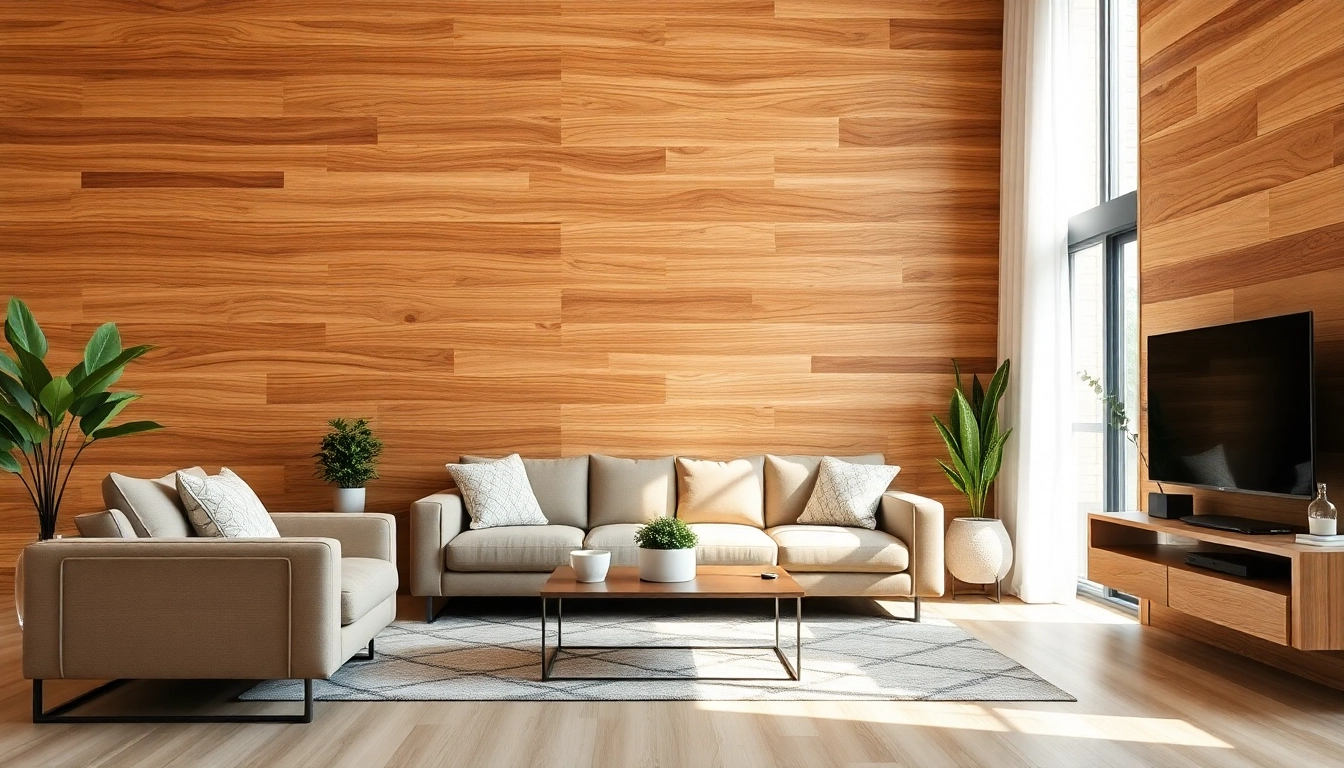
Introduction to Decorative Wood Panels for Walls
In recent years, the allure of decorative wood panels for walls has captured the attention of homeowners and designers alike. These panels offer an innovative way to enhance interior aesthetics while bringing the warmth and texture of natural wood into spaces. Whether you are looking to create a rustic retreat or a modern masterpiece, decorative wood panels for walls provide versatility and style. In this comprehensive guide, we will explore various aspects of decorative wood panels, from their definition and types to installation and maintenance practices.
What Are Decorative Wood Panels?
Decorative wood panels are pre-fabricated panels made from various wood types, designed specifically for wall applications. They can be solid wood, engineered wood, or even veneers applied to a substrate. These panels can come in different styles, finishes, and textures, allowing for endless design possibilities. Their primary purpose is to enhance the visual appeal of walls while offering functionality such as insulation, soundproofing, and easy maintenance.
Benefits of Using Decorative Wood Panels for Walls
The benefits of integrating decorative wood panels into your home design are significant. Here are some notable advantages:
- Aesthetic Appeal: Wood panels add warmth, character, and elegance to any room, enhancing overall aesthetics.
- Versatility: Available in various styles and finishes, wood panels can fit into both modern and traditional interiors.
- Insulation and Acoustics: These panels contribute to improved insulation and sound absorption, creating a comfortable living environment.
- Durability: High-quality wood panels can last for years with minimal maintenance, providing long-term value.
- Easy Installation: Many decorative wood panels are designed for simple DIY installation, allowing homeowners to personalize their space easily.
Choosing the Right Type of Wood Panel
Choosing the right panel involves understanding the materials, styles, and purposes of each option. Here are some key points to consider:
- Material: Common materials include oak, pine, cedar, and plywood. Each offers unique properties: oak is often preferred for its strength and classic look, while pine provides a more economical option.
- Style: The style you choose should complement your interior design vision. From shiplap to wainscoting, each style has distinct characteristics.
- Finish: Finishing options range from natural wood stains to painted surfaces. The choice affects both aesthetics and durability.
- Thickness: The thickness of panels impacts insulation, weight, and structural considerations, so assess the requirements of your space.
Design Ideas Using Decorative Wood Panels for Walls
Classic Styles for Traditional Homes
For traditional homes, decorative wood panels can complement classic architecture beautifully. Consider these design ideas:
- Wainscoting: This classic paneling style is ideal for dining rooms and hallways, enhancing elegance while protecting walls from wear.
- Crown Molding: Adding decorative wood panels with crown molding creates an upscale ambiance, particularly in living and dining areas.
- Beadboard: Perfect for a cottage or farmhouse style, beadboard panels can be easily painted to match any décor theme.
Modern Trends in Home Decor
As interior design trends evolve, so do the applications of decorative wood panels. Here are some modern ideas:
- Accent Walls: Create a striking focal point in living rooms or bedrooms using bold colors and intricate wood panel designs.
- Minimalistic Design: Sleek, simple panels in neutral tones can achieve a contemporary look that emphasizes clean lines.
- Mixed Materials: Combining wood panels with metal accents or glass can create stunning visual contrasts and depth.
Creative Applications in Different Rooms
Decorative wood panels can significantly enhance the aesthetics of various rooms. Here’s how:
- Living Room: Use decorative wood panels as a backdrop for a media center or fireplace to create a cozy atmosphere.
- Kitchen: Incorporating wood panels into kitchen islands or backsplashes can add warmth and depth, making the space more inviting.
- Bathroom: With proper sealing, wood panels can be applied to bathroom walls, offering a spa-like feel.
- Home Office: Enhancing your workspace with wood panels can increase productivity and add a tailored touch.
Installation Tips for Decorative Wood Panels for Walls
Preparing Your Walls for Installation
Before installing decorative wood panels, it’s crucial to prepare the walls adequately. Begin by cleaning the wall surface to remove any dust or grease. Ensure that the wall is dry and level, making any necessary repairs to fill holes or cracks. Using a level, mark the installation line where panels will be placed. Consider using a vapor barrier if installing in areas prone to humidity.
Best Practices for Cutting and Fitting Panels
Proper cutting and fitting are essential for a professional finish. Here are some tips:
- Measurement: Always measure twice and cut once. Use a straight edge for precise cuts.
- Tools: Utilize a circular saw or miter saw for clean and accurate cuts.
- Fitting: Dry fit the panels before securing them to ensure compatibility and alignment.
Securing Panels for Longevity
To ensure your decorative wood panels stand the test of time, consider the following methods for securing them:
- Adhesives: Use high-quality construction adhesive for a strong bond with the wall surface.
- Fasteners: For heavier panels, use screws or nails for added security, ensuring they are placed at proper intervals.
- Sealing: Seal edges and joints with caulk to prevent moisture from penetrating and damaging the wood.
Maintaining and Caring for Your Decorative Wood Panels for Walls
Cleaning and Upkeep Tips
To keep your decorative wood panels looking their best, regular maintenance is essential:
- Dust Regularly: Use a soft microfiber cloth to dust the panels, avoiding abrasive materials that can scratch the finish.
- Spot Clean: For stains, use a damp cloth with a mild soap solution, but avoid soaking the wood to prevent warping.
- Avoid Harsh Chemicals: Stay clear of bleach and ammonia-based cleaners, which can damage the wood’s finish.
Dealing with Scratches and Damage
Over time, decorative wood panels may encounter scratches or damage. Here’s how to handle it:
- Minor Scratches: Use a wood repair marker or crayon to fill in small scratches effectively.
- Moderate Damage: For deeper scratches, sanding and refinishing the affected area can restore its original look.
- Replacement: If panels suffer considerable damage, consider replacing them while ensuring color and finish match.
Preserving the Finish and Look
To maintain the finish of your decorative wood panels, consider these strategies:
- Routine Maintenance: Regularly check the panels for signs of wear and do touch-ups as necessary to keep the surface pristine.
- Humidity Control: Maintain consistent indoor humidity levels to prevent wood from expanding or contracting.
- Reapplication of Finish: Depending on use, reapply wood finish or sealant every few years to protect the wood.
FAQs About Decorative Wood Panels for Walls
Are decorative wood panels suitable for all rooms?
Yes, decorative wood panels work in any room including living areas, bedrooms, and even bathrooms with proper finishing.
How do I clean decorative wood panels?
Regularly dust with a soft cloth; use a damp cloth for stains, but avoid soaking the wood to prevent damage.
Can I install wood panels myself?
Yes, with the right tools and techniques, DIY installation is possible; however, consider hiring a professional for complex designs.
What types of wood are best for decorative panels?
Popular choices include oak, pine, and cedar, each offering unique aesthetics and durability for different environments.
How long do decorative wood panels last?
With proper care, decorative wood panels can last for many years, retaining their beauty and functionality.