
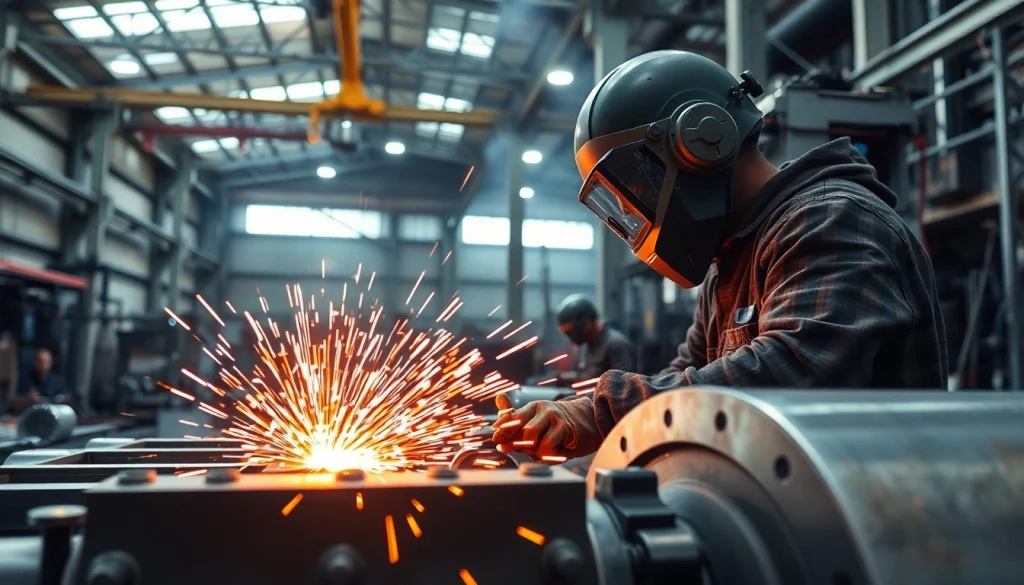
Understanding the Basics of a Steel Fabrication Shop
Steel fabrication is a crucial component of modern construction and manufacturing. It involves the process of designing, cutting, bending, and assembling steel structures to create a wide variety of products. A steel fabrication shop serves as the heart of this industry, facilitating the transformation of raw materials into finished goods through a series of intricate processes. To appreciate the functionality and importance of these shops, it’s essential to understand what steel fabrication entails, the key processes involved, and the common materials used.
What is Steel Fabrication?
Steel fabrication refers to the building of metal structures through cutting, bending, and assembling processes. It creates components that are crucial for construction projects, machinery, and various other applications. The work typically requires skilled labor, a variety of equipment, and a firm understanding of engineering principles. Steel fabrication can be broken down into bespoke projects, where products are tailor-made for specific client needs, or more standard projects, where mass production techniques are employed.
Key Processes in Steel Fabrication
The steel fabrication process encompasses several distinct stages, each vital to producing high-quality steel items:
- Cutting: Steel sheets and profiles are cut to specific dimensions using saws, lasers, or plasma cutters. Precision in cutting ensures that all components fit together effectively.
- Bending: Bending machines are employed to shape steel into various forms, such as angles or curves. This process can be done through press brakes or rolls, depending on the required curvature.
- Assembling: After cutting and bending, skilled workers assemble the components, often utilizing welding, bolting, or riveting techniques to join parts securely.
- Finishing: Once assembled, the fabrication undergoes finishing processes such as painting, galvanizing, or other coatings to prevent rust and enhance durability.
Common Materials Used in Steel Fabrication
Steel fabrication isn’t just about steel; various materials can be integrated to enhance the strength and performance of the final product. Commonly used materials include:
- Mild Steel: This versatile and cost-effective option is widely used in construction due to its ductility and strength.
- Stainless Steel: Known for its corrosion resistance, stainless steel is essential for products exposed to harsh environments.
- Aluminum: Lightweight yet strong, aluminum is often utilized in projects where weight is a concern.
- Specialty Alloys: Depending on the project requirements, various alloys may be used to achieve specific mechanical properties.
Choosing the Right Steel Fabrication Shop
Selecting the right steel fabrication shop is critical for any project, as the quality of fabrication directly influences the outcome. There are several factors to consider when making this choice.
Factors to Consider When Selecting a Shop
Prioritize the following attributes when selecting a steel fabrication shop:
- Experience: A shop with a long history is likely to have refined its processes and developed a deeper understanding of client needs.
- Capabilities: Assess whether the shop can meet your specific requirements, including material types, machining processes, and project sizes.
- Location: Proximity to your project site can significantly reduce transportation costs and lead times.
Evaluating Expertise and Equipment
The expertise of a fabrication shop is often tied to the qualifications and experience of its staff as well as the quality of its equipment. Assess the following:
- Staff Qualifications: Look for certifications and training programs completed by the employees.
- Technology and Equipment: Investigate the state of their machinery and whether they utilize advanced technology for efficiency and precision.
Importance of Client Testimonials and Reviews
Getting insights from previous clients can offer invaluable information regarding a prospective shop’s capabilities. Look out for:
- Case Studies: Inquire if the shop can share success stories related to previous projects similar to yours.
- Ratings: Online reviews can help identify potential red flags and reassure you about the shop’s reliability.
Best Practices for Quality Assurance in Steel Fabrication
Quality assurance is vital in steel fabrication, ensuring that products meet specified standards and are safe for use. Implementing the following best practices can help maintain high quality:
Implementing Quality Control Measures
Incorporating a robust quality control system is essential for monitoring various stages of the fabrication process. Measures can include:
- Inspection Checks: Conduct regular inspections at different stages to identify and rectify any inconsistencies early on.
- Documentation: Maintain records of quality checks to analyze trends and improve processes continually.
Techniques to Improve Fabrication Accuracy
Accuracy in fabrication can drastically reduce waste and increase efficiency. Techniques include:
- Precision Tools: Utilize high-quality, calibrated tools for cutting, bending, and assembly to ensure fitting precision.
- CAD Software: Employ computer-aided design (CAD) software to optimize plans and detect potential issues before physical fabrication begins.
Ensuring Safety Standards in the Workspace
Safety in a steel fabrication shop is paramount, not only to comply with regulations but to protect workers. Consider these standards:
- Training Programs: Regular safety training should be mandatory for all employees, covering equipment handling and emergency procedures.
- Protective Gear: Ensure all personnel have access to necessary personal protective equipment (PPE).
Innovations in Steel Fabrication Technology
The steel fabrication industry is undergoing rapid technological advancements aimed at enhancing efficiency and lowering costs. Here are some significant developments:
Latest Trends in Machinery and Equipment
Investment in the newest machinery is essential for maintaining competitive advantage. Innovations include:
- Laser Cutters: These offer unparalleled precision and can cut complex shapes that traditional methods cannot.
- 3D Printing: Some shops are leveraging 3D printing technology for prototyping or creating intricate parts that are challenging to fabricate conventionally.
Automation and Robotics in Steel Fabrication
Automation has transformed many facets of manufacturing, including steel fabrication. Benefits include:
- Increased Output: Automation facilitates higher production volumes without compromising quality.
- Labor Efficiency: With robots undertaking repetitive tasks, skilled workers can focus on more complex challenges.
Software Solutions for Optimizing Workflow
Advanced software solutions streamline operational processes in steel fabrication shops. Consider these tools:
- Project Management Software: Keeps track of project milestones, deadlines, and resource allocation.
- Inventory Management Systems: Optimize material usage and procurement processes by tracking stock levels in real time.
Frequently Asked Questions About Steel Fabrication Shops
What types of projects can a steel fabrication shop handle?
A steel fabrication shop can handle a wide range of projects, including structural components for buildings, custom metalwork for industrial applications, and specialized machinery parts.
How long does the fabrication process typically take?
The timeframe for a fabrication project can vary significantly based on complexity and size, ranging from a few days for smaller projects to several weeks or months for large-scale work.
What safety measures are in place in a steel fabrication shop?
Steel fabrication shops typically implement comprehensive safety measures, including regular training, personal protective equipment, safety audits, and emergency protocols to ensure a safe working environment.
Can I request custom fabrications?
Yes, many steel fabrication shops offer custom fabrication services tailored to specific client requirements, ensuring that unique project needs are met.
How do pricing models work in a steel fabrication shop?
Pricing models can vary based on materials, labor, and project complexity, with some shops offering fixed pricing and others using hourly rates to estimate total costs based on time and resources required.