
Understanding Fly Fishing Nets
What is a Fly Fishing Net?
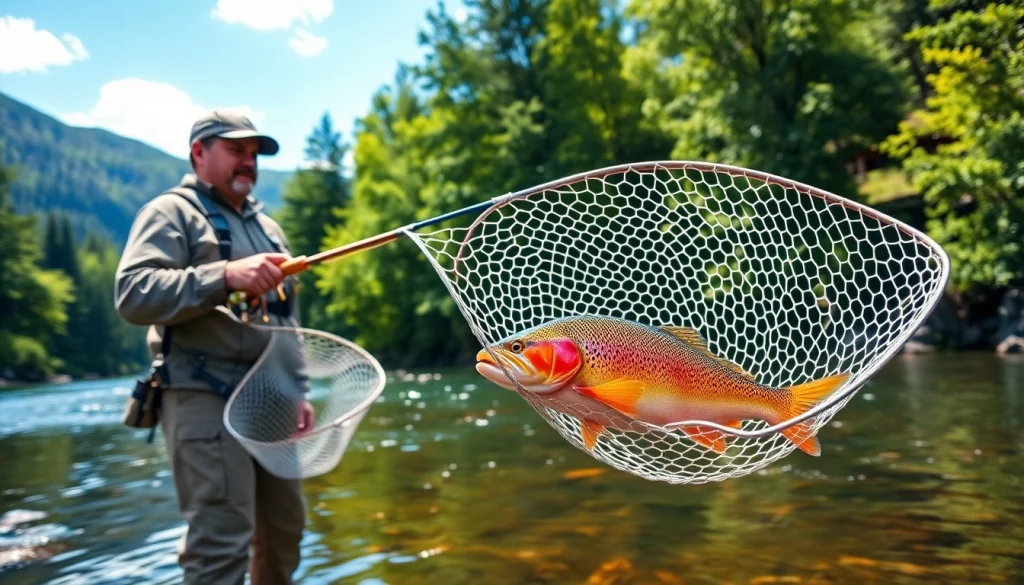
A fly fishing net is an essential tool for anglers who practice this unique technique of fishing. Unlike traditional nets that are often bulky and cumbersome, fly fishing nets are designed with the specific intent of assisting with catch-and-release practices while minimizing harm to the fish. These nets are typically lightweight, have a shallow depth, and are crafted from materials that are gentle on fish scales and fins. The main purpose of a fly fishing net is to scoop up fish quickly and efficiently while ensuring a smooth transition when releasing them back into the water. Incorporating a high-quality fly fishing net into your gear is vital for both the angler’s success and the conservation of aquatic life.
Types of Fly Fishing Nets
There are several types of fly fishing nets available on the market, each catering to different needs and preferences:
- Landing Nets: These are the most common type, used for landing fish once they are caught. They usually come with a handle and a hoop that is lined with soft mesh to protect fish.
- Catch-and-Release Nets: Designed specifically to minimize stress and injury to fish, these nets often feature rubberized mesh that is less abrasive than traditional netting.
- Net Packs: Some nets are designed for portability and ease of storage, featuring a foldable design that can be easily packed into a backpack.
- Boat Nets: Larger nets designed for use from a boat or kayak, typically with a longer handle for reaching fish that are further away.
Key Features to Look For
When selecting a fly fishing net, it’s important to consider several key features to ensure you choose one that will meet your needs effectively:
- Size: The size of the net should correspond to the type of fish you are targeting. A larger net can accommodate bigger fish, while smaller nets are suited for panfish.
- Material: Opt for nets made from lightweight, durable materials. Rubber mesh nets are popular as they are less harmful to fish and dry quickly.
- Handle Length: A longer handle is beneficial for reaching fish in deeper waters or when casting from a distance.
- Weight: A net should not add excessive weight to your gear, so find a balance between durability and portability.
Choosing the Right Fly Fishing Net
Size and Shape Considerations
Choosing the right size and shape of your fly fishing net is crucial for a successful fishing experience. Size fluctuations can occur based on your fishing location and the species you aim to catch. For instance, if your primary target is larger fish such as trout or bass, a larger net with a deeper bag will greatly facilitate the landing process. Conversely, for smaller panfish species, a smaller, lightweight net will suffice. The shape of the net can also vary; round nets tend to be the most efficient for catch-and-release, as they provide more surface area compared to square nets.
Material Options and Durability
When it comes to materials, two prevalent options stand out: traditional netting and rubberized mesh. Traditional nets often feature nylon or polyethylene mesh; however, they can be abrasive on fish skin. On the other hand, rubberized nets are favored for their durability and gentle touch, thus reducing the chances of injury. Additionally, the frame material plays a significant role. Aluminum frames are lightweight and resistant to corrosion, while wood frames offer a classic aesthetic appeal but can be prone to wear if not cared for properly. Ultimately, the choice of material impacts not only the durability of the net but also the safety of the fish, making it essential to choose wisely.
Best Brands and Models
Some well-known brands stand out for producing high-quality fly fishing nets. Companies such as Orvis, Fishpond, and net angler have earned their reputation by providing durable and efficient products. Each brand has its unique offerings that cater to various preferences. For instance, Orvis is recognized for its extensive range of nets suitable for different conditions, while Fishpond focuses on eco-friendly materials. Before purchasing, consider reviewing customer feedback and expert recommendations to ensure the selected model meets your needs effectively.
Accessories for Your Fly Fishing Net
Net Holders and Attachments
Investing in accessories can greatly enhance the functionality of your fly fishing net. Net holders allow anglers to secure their nets conveniently, preventing loss or damage while not in use. These come in various designs, from magnetic clips to straps worn around the waist. Magnetic net holders are popular choices due to their ease of use – allowing for quick access when it’s time to net a fish. Moreover, attachments like retractable lanyards can also be useful, ensuring that your net is always at your fingertips when needed.
Care and Maintenance Tools
Proper care and maintenance can prolong the life of your fly fishing net significantly. Regular cleaning is essential, especially after saltwater fishing, where corrosive elements can damage your net. A soft brush and mild soap are all you need to keep your net in top shape. Remember to check the mesh for any snags or tears that may need repairs. Additionally, having a repair kit handy is a great way to quickly resolve minor damages before your next fishing trip.
Upgrades for Better Functionality
In order to enhance the usability and efficiency of your fly fishing net, consider various upgrades such as adding a padded grip or changing the netting material. Such modifications can provide greater comfort during use and increase your overall fishing experience. Upgrading to a net with a weighing scale integrated into the frame can also be beneficial, allowing you to monitor your catch without needing additional equipment to weigh the fish after landing.
Techniques for Using a Fly Fishing Net
Effective Catch and Release
Practicing sustainable fishing techniques is vital for maintaining fish populations. The catch-and-release method is a practice where anglers catch fish and then return them to their habitat. To execute this technique effectively, avoid placing the fish in the net for prolonged periods and minimize handling. When landing a fish, take your time and ensure it is oriented properly in the net to reduce stress. A shallow landing net is ideal, as it allows for easy maneuverability while posing less risk of injury to the fish. Education on proper catch-and-release techniques, such as using barbless hooks, can also significantly increase the likelihood of fish survival post-release.
Netting Techniques for Different Fish
Different species require varied netting techniques for successful catch-and-release. For example, when targeting trout, it’s often beneficial to line your net parallel to the fish’s path rather than directly in front, allowing it to swim smoothly into the net. Larger fish such as bass can require more strength; therefore, keeping the net low in the water and moving it slowly is essential to ensure the fish is safely secured without being thrashing around excessively. Familiarizing yourself with the specific characteristics of the fish species you are targeting will improve your netting skills considerably.
Avoiding Common Mistakes
Even experienced anglers can fall victim to common pitfalls during the netting process. One major mistake is using the net vertically, which can increase stress on the fish. Instead, aim to scoop the fish from beneath in a horizontal position. Another error is allowing the fish to flop around in the net, which can cause injury. Lastly, avoid excessive handling; after netting, gently support the fish with one hand while using the other to remove the hook before releasing it into the water. These minor adjustments can significantly impact the health of the fish and the effectiveness of your fishing practice.
Maximizing Your Fly Fishing Experience
Combining your Net with Other Gear
To ensure a successful day on the water, your fly fishing net should complement other fishing gear. Pair your net with a well-suited rod and reel that matches your targeted species for the best results. Additionally, accessories like a good fishing vest or a pack can ensure you’re well-organized and have easy access to your gear, including your net. Having all gear within reach means less hassle and more time focusing on fishing. Investing in multifunctional tools, such as pliers that can serve as both a hook remover and a scale, can further enhance efficiency on the water.
Staying Safe While Fly Fishing
Safety should always be a priority when engaging in fly fishing. Familiarize yourself with the location, understanding water conditions and potential hazards before climbing into the water. Use appropriate wading gear such as boots and waders that fit well and provide ample traction. Carrying a personal flotation device (PFD) is recommended, especially when fishing from a boat or in swift waters. Finally, consider bringing along a first-aid kit and making sure someone knows your whereabouts as an added precaution.
Joining Fly Fishing Communities
Engaging with the fly fishing community is an excellent way to enhance your skills, share experiences, and gain insight into the best practices for using fly fishing nets. Join local clubs, online forums, or social media groups dedicated to fly fishing. Participating in community events or tournaments can provide valuable networking opportunities and help you learn from more experienced anglers. Knowledge sharing is key to improving fishing practices and supporting the sustainability of the sport.