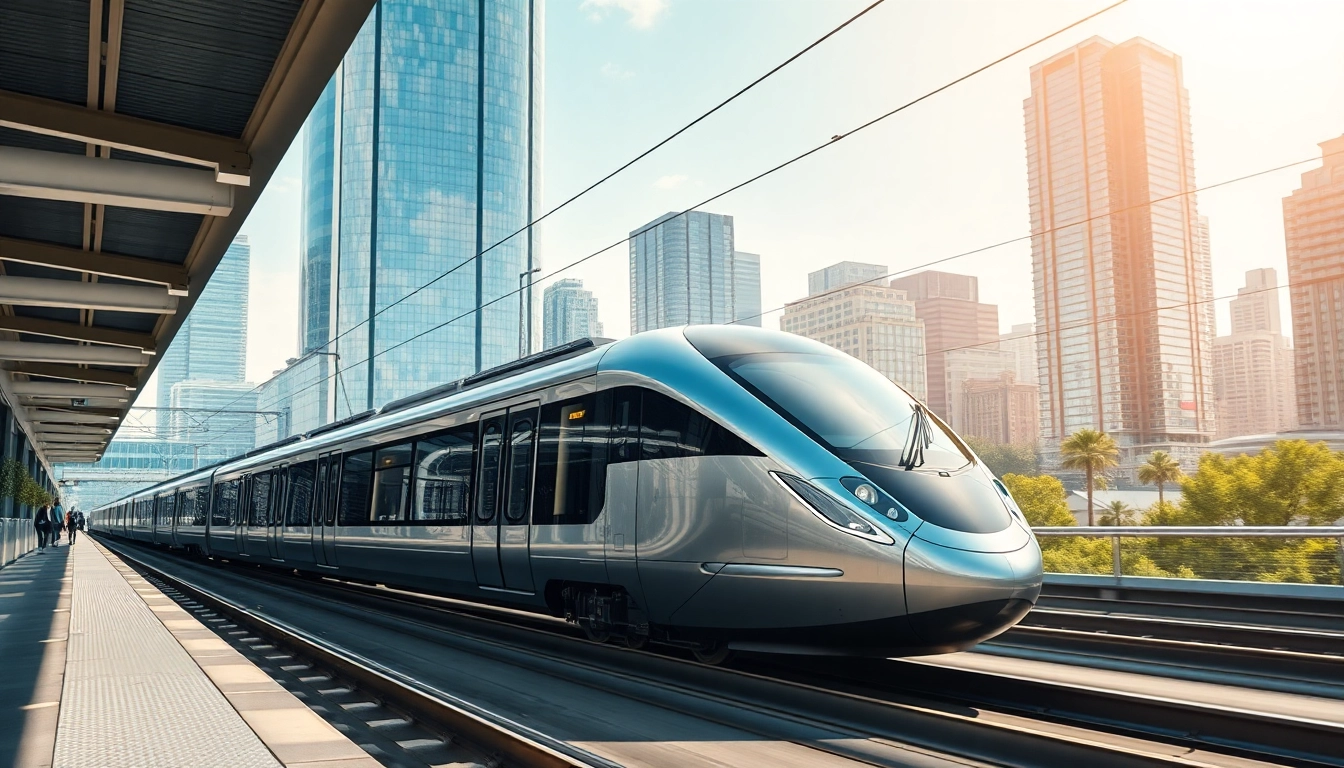
Introduction to Rail Systems
Defining Rail Systems
Rail systems refer to a network of interconnected tracks and associated infrastructure designed for the transport of passengers and goods via trains. These systems utilize various types of rolling stock, including freight and passenger trains, operated on specific railway tracks. Rail systems can be classified based on several criteria such as gauge, level of automation, and type of power used, and they often form a crucial component of regional and national economies.
The Importance of Rail in Modern Transport
As one of the oldest forms of transportation, rail has evolved significantly and continues to play a vital role in modern transport. Rail systems are essential for economic connectivity, allowing the efficient movement of goods over long distances with minimal environmental impact. They are less carbon-intensive compared to road or air transport, making them increasingly relevant in the current landscape of global sustainability efforts. Rail systems also help decongest urban areas by providing an alternative to road traffic, thereby improving travel time and reducing accidents.
Types of Rail Systems Overview
Rail systems can be broadly categorized into different types, including:
- Heavy Rail: These systems are primarily designed for high-capacity and high-speed service, typically found in urban areas.
- Light Rail: Generally used for shorter routes in metropolitan regions, light rail systems are characterized by lower speeds and fewer passenger capacity.
- Freight Rail: Focused on transporting goods, freight rail systems are vital for commercial supply chains and include specialized wagons for different cargo types.
- High-Speed Rail: Designed for rapid transit between major cities, these rail systems operate at much higher speeds than traditional rail.
Benefits of Rail Systems
Environmental Impact of Rail Systems
Innovations in rail technology have positioned rail systems as a green alternative in the transportation sector. Trains emit significantly less greenhouse gas per passenger mile when compared to cars or airplanes. By facilitating mass transit, rail systems encourage people to use collective transport rather than individual vehicles, thus reducing overall carbon emissions and contributing to climate change mitigation.
Cost-Effectiveness of Rail Systems
One of the most compelling advantages of rail systems is their cost-effectiveness. Rail transport is inherently efficient for moving large quantities of goods or numerous passengers simultaneously. This efficiency translates into lower operational costs over time. Additionally, investment in rail infrastructure can leverage government funding and boost job creation in local economies, making the economic argument for rail even more persuasive.
Efficiency and Speed: A Comparison
When comparing efficiency and speed, rail systems generally outperform trucks for long-distance freight transport. Trains can carry more cargo at faster speeds over extensive distances while consuming less fuel compared to road vehicles. Passenger trains, especially high-speed variants, can drastically cut travel time between cities, making them a preferable option for intercity commutes.
Challenges in Implementing Rail Systems
Funding and Financial Viability
Although rail systems offer numerous benefits, they require extensive initial capital investment for construction and maintenance. Securing funding can be a significant hurdle due to competing priorities in urban planning and infrastructure development. Public-private partnerships and creative financing models can help mitigate these challenges, but extensive planning is critical to ensure financial viability.
Land Acquisition and Legal Issues
The construction of new rail lines often necessitates extensive land acquisition, which can lead to legal disputes and public resistance. Effectively addressing these issues requires transparent communication with the stakeholders, including local residents, businesses, and governmental entities. Strategies such as comprehensive land-use planning can help navigate these challenges and minimize disruptions.
Technological Barriers and Solutions
Technological challenges such as outdated infrastructure, interoperability between different rail systems, and the integration of modern technologies can hinder efficiency. Solutions include investing in smart technologies, such as AI for train scheduling and predictive maintenance, which can enhance system reliability and performance.
Global Innovations in Rail Systems
Case Studies of Successful Rail Projects
A notable example of a successful rail project is the Tokyo Subway System, known for its punctuality and efficiency. This extensive network supports millions of passengers daily and illustrates best practices in urban rail management. Another prominent case is the European high-speed rail network, which showcases how innovative technologies can shrink travel times and support sustainable tourism.
Emerging Technologies in Rail Systems
Emerging technologies such as automated train operations, magnetic levitation, and hydrogen-powered trains are paving new avenues for the future of rail transport. These advancements not only enhance operational efficiency but also improve the passenger experience by introducing features such as real-time tracking and adaptive scheduling.
Sustainability Initiatives in Rail Systems
Sustainability initiatives in rail systems focus on reducing carbon footprints through electrification, the use of renewable energy sources, and improved energy efficiency. Rail operators worldwide are increasingly adopting environmental sustainability as a core principle, aligning with global climate goals and public expectations for greener transport solutions.
The Future of Rail Systems
Future Trends in Rail Systems
The future of rail systems is characterized by a distinct shift towards sustainable practices and advanced technologies. Trends such as the incorporation of digital technologies, including big data analytics for operational efficiency, and a commitment to renewable energy use are set to redefine rail transport. Electromagnetic systems and hyperloop technologies are possibilities that may one day revolutionize how we view high-speed travel.
Public Policy and Rail Systems
Strong public policy frameworks play an essential role in the development and expansion of rail systems. Governments must prioritize rail infrastructure in their transportation agendas while also providing adequate public funding. Policies that facilitate investment and streamline regulatory processes are crucial for fostering a favorable environment for rail project implementation.
Engaging Communities in Rail Development
Community engagement is paramount in the successful implementation of rail projects. Involving local residents in planning initiatives fosters transparency and builds trust. Educational initiatives highlighting the benefits and impacts of rail systems on local economies can bolster public support, ultimately leading to smoother project execution.
Frequently Asked Questions
What are rail systems?
Rail systems are networks composed of tracks and infrastructure for transporting goods and passengers through trains over specific routes.
Why are rail systems important?
Rail systems provide an efficient, cost-effective, and environmentally friendly transportation option critical for economic connectivity and urban development.
What types of rail systems exist?
Rail systems can be classified into heavy rail, light rail, freight rail, and high-speed rail, serving different passenger and freight needs.
What challenges do rail systems face?
Challenges include financing, land acquisition, legal disputes, and technological barriers that can hinder their development and efficiency.
What innovations are shaping the future of rail systems?
Emerging technologies, like automation, magnetic levitation, and sustainability initiatives, are paving new paths for the future of rail transport.