
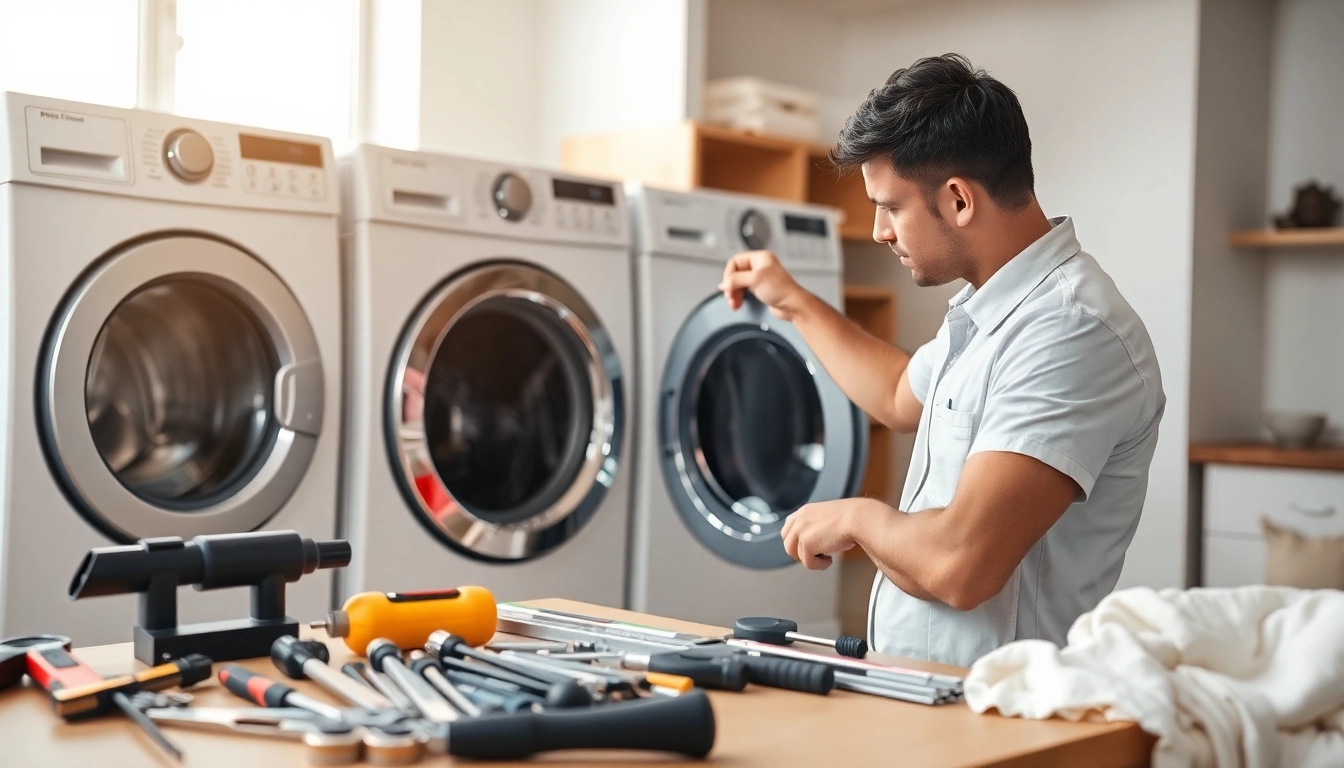
Understanding Common Washer Dryer Issues
Washer dryers, while incredibly convenient, are not without their challenges. Understanding the typical problems that can arise is the first step toward ensuring efficient operation and longevity. As appliances age, they may exhibit signs of wear and tear, requiring attention before a major failure occurs. Here, we will explore common issues encountered with washer dryers, how to identify them, and the potential costs of repairs.
Identifying Troubles with Performance
Performance issues with washer dryers often manifest in several key areas. Users may notice inconsistent drying times, excessive noise during operations, or failure to start altogether. Some of the underlying reasons for such problems can include:
- Clogged Filters: Lint filters can become overwhelmingly obstructed, impacting airflow and drying efficiency.
- Faulty Sensors: Malfunctioning moisture sensors can miscalculate the dryness of clothes, leading to longer cycles.
- Drivetrain Issues: Problems with the motor or belt can result in a failure to rotate the drum adequately.
It’s essential to monitor your washer dryer’s performance closely and identify these issues early to mitigate further complications.
Signs That Your Washer Dryer Needs Repair
Several warning signs indicate that your washer dryer may need professional repair. If you notice any of the following, it may be time to seek assistance:
- Unusual Noises: Clanking, grinding, or banging sounds can signal mechanical issues.
- Water Leakage: Puddles around the machine can indicate hose problems or drum seals.
- Inconsistent Cycle Results: Clothes that come out wet, or settings that don’t seem to respond properly, are red flags.
Being aware of these signs can save money and time by preventing further damage before it becomes more serious.
Associated Costs of Repairs
The costs associated with repairing a washer dryer can vary widely depending on the nature of the issue and the model of the machine. Typical repair costs can range from $100 to $400, encompassing both part replacement and labor. Factors that influence costs include:
- Type of Repair: Simple repairs, such as replacing a belt, tend to be less expensive compared to replacing complex electronic components.
- Labor Costs: Local labor rates and the technician’s expertise will influence total service prices.
- Model and Age: Older models may require specialized parts that can be more costly.
When considering repairs, weigh the cost against the potential for future breakdowns and the age of the appliance to determine if it is worth it.
Finding Services for Washer Dryer Repair Near Me
When faced with washer dryer problems, locating reliable local repair services is essential. Utilizing resources like recommendations, online searches, and customer reviews can yield helpful results. It is crucial to focus on specific qualities when choosing a service that suits your needs. For reliable assistance, search for washer repair service to find the best options available.
Top Qualities to Look for in Repair Services
Choosing a washer dryer repair service can be daunting, but knowing what to look for can simplify the process. Here are some vital attributes to consider:
- Experience and Certification: Look for technicians with relevant experience and proper certifications in appliance repair.
- Warranty on Services: A guarantee on repairs demonstrates the company’s confidence in their work.
- Response Time: Quick response times, especially for emergency repairs, are critical.
By focusing on these qualities, you ensure that you are hiring a capable and trustworthy service technician.
How to Compare Local Repair Technicians
Once you have a list of potential repair services, compare them based on several factors to find the best fit. Consider the following:
- Customer Reviews: Websites and social media platforms can provide insights into previous customers’ experiences.
- Price Estimates: Obtain multiple quotes to compare pricing structures and ensure transparency.
- Services Offered: Some companies may specialize in certain brands or offer additional services that could be beneficial.
Taking the time to compare will help you secure quality service at a fair price.
Reading Customer Reviews and Testimonials
Customer reviews and testimonials are invaluable resources in selecting a repair technician. Pay attention to:
- Common Complaints: Take note of any frequently mentioned issues regardless of the service provider.
- Resolution Process: Read about how the company handled complaints to gauge their customer service.
- Overall Satisfaction: Consistent satisfaction among clients is a sign of a reliable service provider.
By synthesizing this information, you can make a more informed decision based on actual client experiences.
Preventative Maintenance for Your Washer Dryer
Preventative maintenance plays a crucial role in extending the life of your washer dryer and reducing the likelihood of breakage. Implementing a routine maintenance schedule can lead to better performance, energy efficiency, and longevity of your appliances.
Regular Cleaning Tips and Checks
Regular cleaning is necessary for optimal washer dryer function. Here are a few key practices:
- Clean the Filters: Lint and debris should be removed from filters after each use to enhance airflow and drying efficiency.
- Wipe Down Seals: Clean and check rubber seals for damage to prevent leaks.
- Check Hoses: Inspect hoses for rocks, kinks, and leaks to ensure proper water flow.
Incorporating these simple tasks can alleviate larger problems down the road, keeping your appliance in optimal condition.
Best Practices for Efficient Usage
Optimal usage practices can significantly reduce wear and tear on your washer dryer. Consider the following:
- Don’t Overload: Excess weight can strain mechanical parts, leading to early failure.
- Use Appropriate Settings: Adjust settings according to fabric types to ensure gentle handling and reduce damage.
- Dry in Batches: Running a few loads consecutively can make the most of energy usage while maintaining machine performance.
Implementing these practices can save energy, improve results, and prolong the lifespan of appliances.
How Maintenance Prolongs Equipment Life
Regular maintenance saves money in the long run. Ensuring your washer dryer is consistently cared for minimizes costly repairs and replacements. A well-maintained machine operates more efficiently, using less water and energy, which translates to lower utility costs. Additionally, by preventing breakdowns through maintenance, you enjoy uninterrupted service and peace of mind.
The Repair Process of Washer Dryers
Understanding what to expect during the washer dryer repair process can reduce anxiety about service appointments. You’ll have a reliable grasp of how professional technicians operate, what they look for, and what potential solutions they may employ.
Common Repair Techniques Explained
Technicians employ various techniques to address washer dryer issues, including:
- Electrical Diagnosis: Testing components like sensors and switches to ensure they’re functioning correctly.
- Mechanical Repairs: Fixing or replacing belts, motors, and other moving parts that are integral to operation.
- Sealing and Insulation: Addressing leaks and ensuring proper seals to maintain efficiency and prevent water damage.
Being aware of these processes enhances your understanding of how to better communicate with repair technicians and follow their recommendations.
What to Expect During a Repair Service
During a repair service, you can expect the technician to first conduct a formal assessment of your machine. This typically includes:
- Initial Inspection: A visual examination to identify obvious issues.
- Performance Testing: Running the machine to observe problems in real-time.
- Detailed Quotes: After diagnosis, technicians should present clear breakdowns of costs and repairs needed.
Understanding this process allows you to prepare any questions and ensures that you are informed during the appointment.
Post-Repair Follow-Up and Support
After the repair, it’s advisable to maintain communication with the service provider for follow-up support. Key points include:
- Warranty Information: Ensure you understand any warranties associated with parts and labor.
- Usage Tips: Ask for maintenance advice based on the repair performed to prevent future issues.
- Contact Protocol: Know how to reach the technician in case of recurring problems.
Following these steps will enhance your peace of mind and encourage a proactive approach to appliance maintenance.
Frequently Asked Questions About Washer Dryer Repair Near Me
How do I find trusted repair services near me?
Start by asking friends and family for recommendations, and read online reviews. Sites dedicated to local businesses can also provide insights and ratings.
What should I do before calling a technician?
Check the user manual for troubleshooting steps, ensure the appliance is plugged in, and identify any unusual sounds or issues to describe.
Are repairs worth the cost versus buying new?
Consider the age of the machine and the repair cost relative to purchasing a new unit. Generally, repairs can be justified if they are under 50% of replacement costs.
How long do typical repairs take?
Most repairs can be completed in one to two hours, depending on the complexity of the issue and parts availability.
What warranties are available on repairs?
Warranties vary by service provider but typically include parts and labor coverage for 30 days to one year post-repair. Always ask for specifics before agreeing to services.