
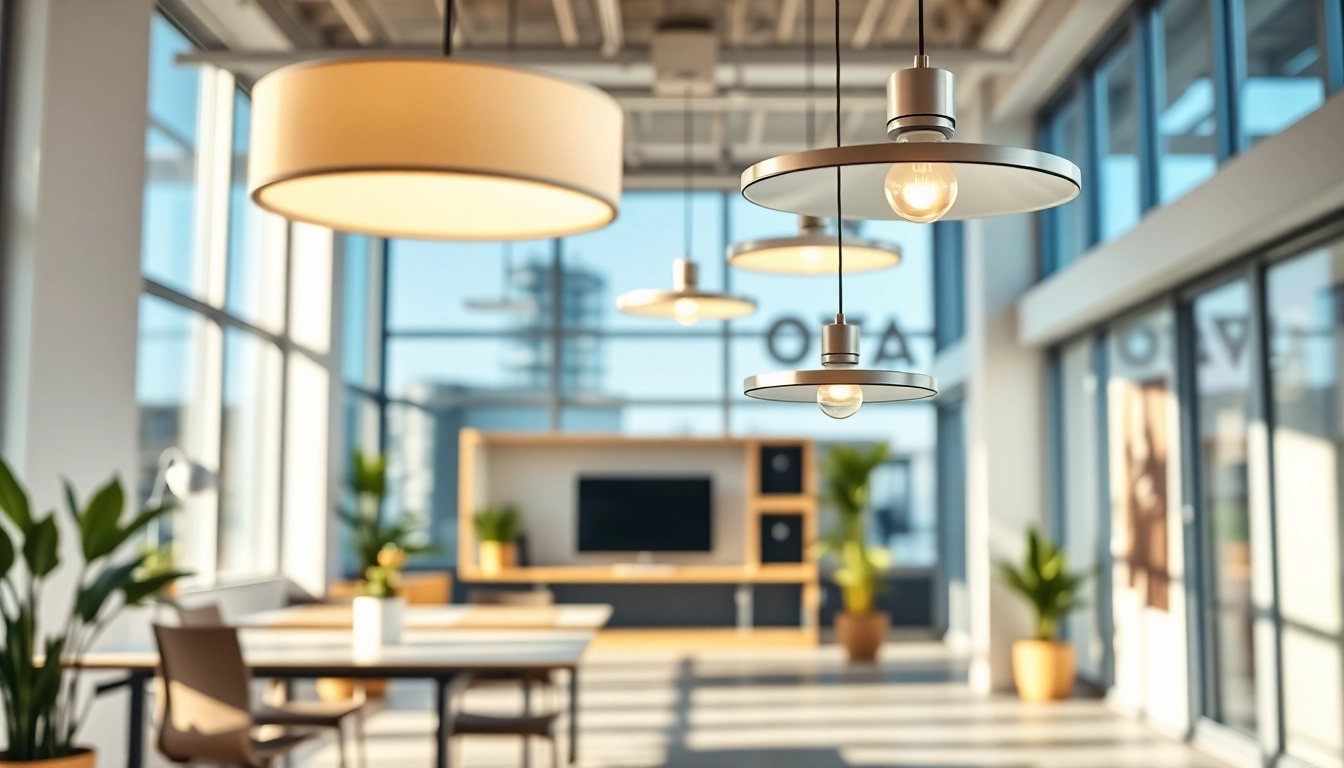
Understanding the Importance of Lighting Solutions
Lighting is a crucial element in any environment, immensely affecting our daily lives. From the comfort of our homes to the functionality of commercial spaces, lighting solutions play a significant role. Proper lighting can enhance aesthetic appeal, improve productivity, and create an inviting atmosphere. In this guide, we will explore the multifaceted nature of lighting solutions, understanding their importance and how best to implement them in various settings.
What Are Lighting Solutions?
Lighting solutions refer to a variety of options and designs that cater to illuminating spaces effectively. From incandescent bulbs to LED technology, lighting solutions encompass the types, design, and placement of lighting that enhance visibility, safety, and aesthetics. The right lighting solutions can differentiate a space, influence functionality, and shape overall experiences.
Why Good Lighting Matters
Good lighting serves several essential purposes. It ensures visibility, elevates mood, and contributes to safety in any given environment. In workplaces, good lighting is essential for productivity as it reduces eye strain and enhances alertness. In home settings, thoughtful lighting enhances comfort and ignites warmth, making spaces more inviting. Furthermore, the strategic use of light can create focal points and draw attention to specific features, thereby enriching the aesthetic quality of a room.
The Impact of Lighting on Mood
The psychological effects of lighting are profound. Bright lighting can energize a space and evoke feelings of happiness and motivation, while softer, dimmer lights can calm and relax. Color temperature also plays a vital role; warm light tends to feel cozy and intimate, whereas cool light has a refreshing quality. By understanding these principles, individuals and designers can tailor lighting solutions to suit specific moods and activities within various environments.
Types of Lighting Solutions
Lighting solutions can be broadly categorized into three types: ambient lighting, task lighting, and accent lighting. Each type serves its purpose within a space, contributing to its functionality and beauty.
Ambient and Natural Lighting
Ambient lighting provides the overall illumination in a room, allowing individuals to navigate spaces comfortably. It is often achieved through ceiling fixtures, wall-mounted lights, or even natural daylight. Natural lighting, which comes from windows and other openings, is highly desirable because it enhances the aesthetic appeal of environments, supports well-being, and reduces energy consumption. Strategies to maximize natural light include using reflective surfaces, strategically placing mirrors, and designing open layouts that allow light to flow freely.
Task Lighting for Specific Activities
Task lighting is focused illumination intended for specific activities, such as reading, cooking, or working on detailed tasks. Task lights include desk lamps, under-cabinet lighting in kitchens, and reading lamps by bedsides. When choosing task lighting, it’s vital to consider the intensity and angle of the light to prevent glare and shadows, ensuring functionality and comfort.
Accent Lighting to Highlight Features
Accent lighting adds drama and visual interest to spaces by drawing attention to specific features, artwork, or architectural elements. Spotlights, track lighting, and wall-mounted fixtures can be used to create focal points that enhance the overall design. Incorporating accent lighting does not just beautify a space but can also convey a sense of depth and dimension, making environments feel welcoming and dynamic.
Choosing the Right Lighting Solutions for Your Space
Selecting the appropriate lighting solutions requires thoughtfulness and a keen understanding of a space’s unique characteristics. Factors like size, purpose, and existing design elements should guide these decisions.
Assessing Your Environment and Needs
Begin by assessing the specific requirements of your environment. Consider the activities that will occur in each area and how much illumination is necessary. Take note of the room size and shape; larger rooms might require multiple light sources, whereas smaller spaces can often utilize a single source efficiently. Furthermore, analyze the color scheme and décor, as certain lighting can enhance or clash with these elements.
Balancing Aesthetic and Functionality
The best lighting solutions achieve a harmonious balance between aesthetics and functionality. Styling should not come at the expense of practicality; thus, look for fixtures that complement design without compromising light quality. Choose adjustable light fixtures where possible, allowing users to modify brightness levels according to varying tasks and moods.
Using Color Temperature to Influence Atmosphere
Color temperature significantly influences how a space feels. Measured in Kelvin (K), warm light (2700K-3000K) creates a cozy atmosphere, while cool light (4000K-5000K) fosters an energetic vibe. Adjust the color temperature based on the intended mood: opt for warmer light in living areas and cooler light in workspaces. This strategic approach can significantly enhance overall ambiance, productivity, and comfort.
Implementing Lighting Solutions Effectively
After determining the most suitable lighting solutions for a space, the next step involves effective implementation. Proper installation, maintenance, and management of lighting systems are key to maximizing their benefits.
Common Installation Techniques
Installation techniques vary by fixture type but generally include secure mounting, correct wiring, and safe electrical practices. For wall-mounted fixtures and ceiling lights, ensure that fixtures are installed at appropriate heights to optimize the light spread. If necessary, consulting a professional electrician can guarantee safety and efficiency during installation, especially with complex setups like recessed lighting.
Integrating Smart Lighting Options
Smart lighting systems have revolutionized lighting solutions by allowing users to control their lights via smartphones or smart home systems. These solutions enable dimming, scheduling, and color-changing features that enhance both convenience and energy efficiency. By integrating motion sensors and timers, smart lighting can provide illumination only when needed, thereby conserving energy and extending the lifespan of the fixtures.
Maintaining Your Lighting Systems
Regular maintenance of lighting systems ensures long-lasting performance and optimal energy efficiency. Clean light fixtures to prevent dust accumulation, which can obstruct light output. Replace bulbs as needed, opting for energy-efficient options to lower electricity bills and enhance sustainability. Periodic evaluations of lighting placement and intensity can also improve effectiveness and adaptability as room functions evolve over time.
Future Trends in Lighting Solutions
The field of lighting solutions is ever-evolving, with new trends emerging in response to changes in technology, sustainability, and consumer preferences.
Eco-Friendly Practices in Lighting Design
As environmental consciousness rises, eco-friendly practices in lighting design are more critical than ever. Utilizing LED lighting significantly reduces energy consumption, while advancements in solar and wind energy usage create sustainable alternatives. Designers are increasingly focusing on maximizing daylight through architectural designs, reducing reliance on artificial light.
Technological Advances in Lighting
Recent advancements in lighting technology have made it possible to create innovative solutions that are smarter, more efficient, and user-friendly. New developments, such as tunable white technology, allow users to adjust the color of their lighting based on specific times of the day or activities. Additionally, as technology progresses, we see the introduction of low-energy systems that incorporate smarter solutions without a loss in performance or functionality.
Customization and Personalization Trends
As consumers increasingly seek personalized experiences, customization in lighting solutions is gaining momentum. Tailored lighting fixtures that reflect individual style, functional needs, and even the emotional context of spaces are becoming widely available. This trend empowers individuals to express personal aesthetics while ensuring that the lighting caters to their specific needs, ultimately enhancing their environments.
Frequently Asked Questions
1. What is the best type of lighting for a home office?
The best lighting for a home office is a combination of ambient and task lighting. Install overhead lights for general illumination, complemented with desk lamps to ensure sufficient light when performing tasks.
2. How does lighting affect mood?
Lighting significantly influences mood. Bright, cool light enhances alertness and productivity, while warm, dim light promotes relaxation and comfort.
3. What are eco-friendly lighting options?
Eco-friendly lighting options include LED bulbs, solar-powered lights, and fixtures made from sustainable materials, all reducing energy consumption and carbon footprint.
4. How can I improve my home’s natural lighting?
To improve natural lighting, use mirrors to reflect light, remove heavy drapes, and position furniture to allow light to flow freely throughout the space.
5. What is smart lighting?
Smart lighting refers to advanced systems that can be controlled remotely, allowing users to adjust brightness, color, and schedule lighting easily via apps or voice commands.