
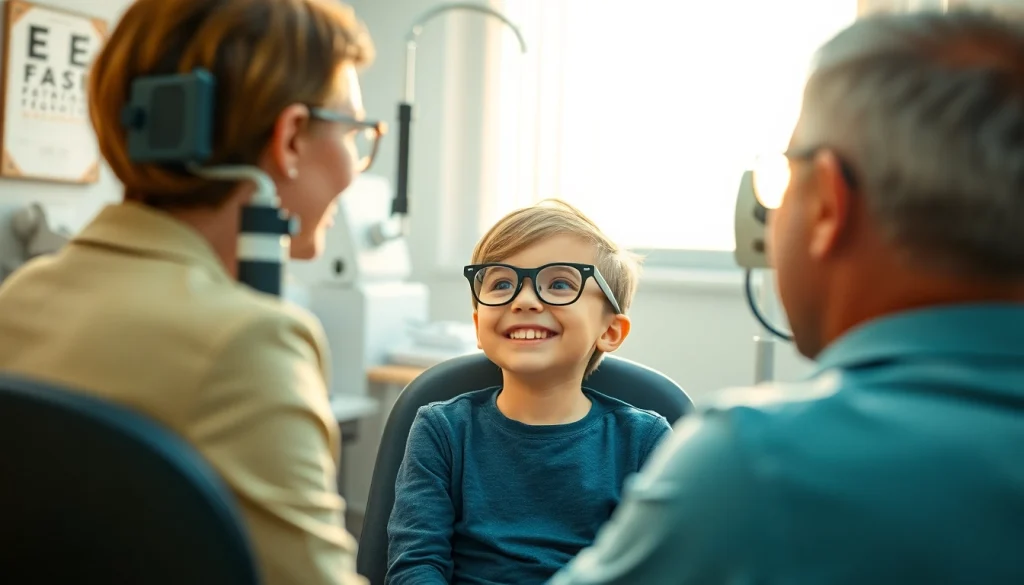
The Importance of Our Children’s Vision in Eye Health
Vision is a critical component of overall health and development in children. The experiences, interactions, and education that children undergo are deeply connected to their ability to see clearly. Unfortunately, millions of children worldwide suffer from vision impairment due to lack of access to necessary eye care. Initiatives like Our Children’s Vision aim to bridge this gap and bring eye care services to children in need. Understanding the vision health landscape and identifying effective strategies can make significant strides in addressing this pressing issue.
Understanding Common Eye Conditions in Children
Children, much like adults, can experience a variety of eye conditions that may affect their vision and overall quality of life. Some of the most prevalent eye issues include:
- Refractive Errors: These are the most common vision problems, including myopia (nearsightedness), hyperopia (farsightedness), and astigmatism. These conditions often occur in childhood due to hereditary factors, but can significantly hinder a child’s ability to learn and engage.
- Amblyopia (Lazy Eye): This condition occurs when one eye does not develop proper vision, potentially leading to serious long-term vision problems if not treated early.
- Strabismus (Crossed Eyes): This condition involves an imbalance of the muscles that control eye movement, affecting coordination and depth perception, important skills needed for overall visual processing.
- Conjunctivitis (Pink Eye): This condition can be infectious and is often caused by bacteria or viruses, leading to redness, irritation, and discharge from the eye.
Recognizing the signs of these conditions early will aid parents, educators, and healthcare professionals in advocating for timely screening and treatment, ultimately improving children’s vision health outcomes.
Recognizing Symptoms of Vision Problems
Awareness of the symptoms indicating vision problems is essential for early detection. Common signs that may suggest that a child is experiencing vision difficulties include:
- Frequent squinting or tilting of the head to see better.
- A tendency to close one eye when reading or watching television.
- Complaints of headaches or eye discomfort.
- Difficulty with focusing or maintaining attention on tasks.
- Struggles in school, especially with lessons that require reading or visual learning.
Parents should maintain open communication with children about their visibility experiences and conduct regular check-ups to monitor any changes in vision.
The Role of Regular Eye Examinations
Regular eye examinations play a crucial role in maintaining children’s vision health. These screenings help identify potential issues early on, enabling timely intervention. Recommendations for eye examinations vary depending on age:
- Children should receive their first comprehensive eye exam at around 6 months of age.
- Subsequent exams are recommended at age 3 and then again before entering school.
- After that, annual eye check-ups should be part of a child’s overall healthcare routine.
Health professionals often emphasize that early detection can reduce the risk of developing lifelong vision issues, making eye exams an indispensable aspect of preventive healthcare.
Barriers to Eye Care for Our Children’s Vision
Despite the critical need for accessible eye care, numerous barriers can impede children’s access to necessary services. Identifying and addressing these barriers is vital for the success of initiatives like Our Children’s Vision.
Access and Affordability Challenges
One of the significant barriers to eye care for children is access to affordable services. In many communities, especially those that are underserved, families often struggle to find nearby eye care professionals or resources:
- Financial Constraints: The cost of eye care can be prohibitive, particularly for uninsured families. Eyeglasses, vision therapy, and necessary medical appointments often come with financial burdens.
- Location: Rural areas may lack qualified eye care practitioners, forcing families to travel long distances to receive care.
- Transportation Issues: The difficulty of transportation can be a major logjam, especially for families with limited means. This can lead to a reluctance to seek care.
Recognizing these challenges is the first step towards creating solutions that ensure all children have access to the eye care they need.
Awareness and Education Gaps
Even when services are available, many families may be unaware of the importance of regular eye care or the signs that their child may need help. Educational efforts that aim to increase awareness around children’s vision health are essential. Elements to consider include:
- Community Outreach: Programs in schools and community centers can provide valuable resources and information to help families understand the importance of regular eye examinations.
- Cultural Sensitivity: Tailoring educational materials to the cultural and linguistic needs of diverse communities ensures that messages resonate effectively.
- Utilization of Social Media: Engaging platforms to spread educational campaigns can vastly increase community reach and awareness.
By bridging the awareness gap, families can be empowered to take action towards their child’s vision health.
Impact of Socioeconomic Factors
Socioeconomic status plays a significant role in children’s health outcomes, including vision health. Families with lower socioeconomic status may face compounded challenges that increase their children’s risk for vision impairment:
- Lack of Insurance: Many low-income families may lack health insurance, making routine eye examinations and necessary treatments unaffordable.
- Nutrition: A poor diet impacts overall health, including eye health. Access to nutritious foods may be limited in economically disadvantaged communities.
- Education Level: Parental education can affect awareness and the prioritization of health checks for children, which can delay needed interventions.
Addressing these socioeconomic variables is integral to ensuring equitable access to eye care services.
Best Practices for Promoting Our Children’s Vision
Promoting the vision health of children requires a multi-faceted approach involving educators, healthcare professionals, parents, and community leaders. Implementing best practices can lead to meaningful improvements in children’s access to eye care services.
Establishing Screening Programs in Schools
Schools serve as ideal venues for vision screening programs, due to their accessibility and direct reach to children. Implementing these programs can yield positive outcomes:
- Cooperation with Health Departments: Partnering with local health authorities can enhance the implementation of comprehensive screening programs.
- Training for Personnel: Ensuring that school nurses and staff are trained in basic vision screening techniques can aid early detection.
- Involvement of Parents: Involving parents through awareness campaigns about the screenings can foster greater participation.
Schools can be a first line of defense, facilitating early identification and intervention for vision issues.
Engaging Parents and Community Stakeholders
Engaging parents and community stakeholders in vision health initiatives can significantly enhance program effectiveness. Strategies to consider include:
- Organizing Workshops: Hosting workshops and informational sessions can inform parents about the necessity of eye care.
- Creating Support Networks: Establishing supportive groups for parents facing similar challenges can foster a community approach to address vision health issues.
- Promoting Volunteerism: Encouraging community members to volunteer in vision health initiatives can enhance local ownership of these programs.
Stronger community ties can lead to healthier future generations.
Utilizing Technology to Enhance Eye Care Access
Leveraging technological advancements can significantly improve access to eye care for children. Potential avenues include:
- Telehealth Services: Virtual consultations can overcome geographic barriers while providing timely access to eye care professionals.
- Mobile Apps: Developing apps that educate parents about eye health and facilitate appointment scheduling can enhance proactive care.
- Data Collection: Using big data analytics to identify trends in pediatric vision health can inform better policy and program development.
Harnessing technology can lead to innovative solutions that cater to the needs of families, increasing accessibility.
Success Stories in Improving Our Children’s Vision
Highlighting success stories can inspire further initiatives and lend credibility to ongoing efforts. Here, we will discuss effective interventions that have yielded positive outcomes.
Case Studies of Effective Interventions
Successful programs often stand out as benchmarks and learning opportunities for new initiatives. For instance, consider the following case studies:
- In one community, a collaborative initiative formed between local health organizations and schools resulted in a comprehensive eye care program that screened over 10,000 children in under a year, dramatically increasing diagnoses of previously undetected eye conditions.
- Another program employed mobile eye care units to reach rural schools, offering on-site examinations and addressing logistical challenges faced by families.
These case studies underscore the power of collaboration and rigorous outreach in advancing children’s vision health.
Collaborations Between Organizations
Partnerships across various organizations can enhance service delivery to children in need. Collaborative efforts might include:
- Public health entities partnering with local vision care providers to strengthen community outreach.
- Academic institutions providing research support to evaluate the effectiveness of eye care programs.
- NGOs working with governmental agencies to advocate for improved policies surrounding children’s health.
The collective impact of these collaborations can broaden access and improve health outcomes on a larger scale.
Long-term Impact on Children’s Health
Investing in eye care for children not only improves immediate health outcomes but has long-term benefits for both individuals and society. Enhanced vision directly correlates with:
- Improved academic performance, enabling children to achieve their full potential.
- Lower rates of behavioral issues, as children with vision problems often experience frustration and isolation.
- Long-term economic benefits, as a healthier workforce bolsters economic productivity.
Encouraging investment in programs dedicated to children’s vision health ultimately contributes to healthier, more competent future generations.
Future Directions for Our Children’s Vision Initiatives
To build upon successes and improve children’s eye health, continuous evolution of initiatives and strategies is key. Here are some future directions to consider:
Innovations in Pediatric Eye Care Technologies
Technological innovation continues to be an essential pathway to enhancing eye care for children. Future possibilities include:
- Wearable Vision Tracking Technologies: Gadgets designed to monitor children’s visual acuity in real-time could prompt timely responses.
- Advanced Diagnostic Tools: Integration of AI and machine learning may lead to faster and more accurate detection of eye conditions.
- Home-based Vision Screeners: Accessible tools that allow parents to perform basic vision checks at home could increase routine monitoring.
Innovation not only creates new possibilities but can redefine the standard of care in pediatric eye health.
Policy Recommendations for Improved Access
Effective advocacy can lead to significant policy changes that pave the way for improved access to eye care. Recommendations may include:
- Advocating for public health initiatives that support free or low-cost eye examinations for children.
- Lobbying for legislation that requires vision screenings as part of pediatric healthcare mandates.
- Promoting public-private partnerships to create sustainable models for eye care services in communities.
Active engagement in policy discussions can ensure that children’s eye health remains a priority on the national agenda.
Building Sustainable Community Programs
Sustainability is key in ensuring that vision health programs can effectively address the needs of children over the long term. Strategies might encompass:
- Creating community health coalitions focused on long-range planning and resource sharing.
- Establishing mentorship programs for healthcare professionals to train the next generation of providers in pediatric eye health.
- Securing diversified funding sources to maintain program operations and outreach efforts.
By fostering sustainability, communities can create robust frameworks to support children’s vision health for years to come.