
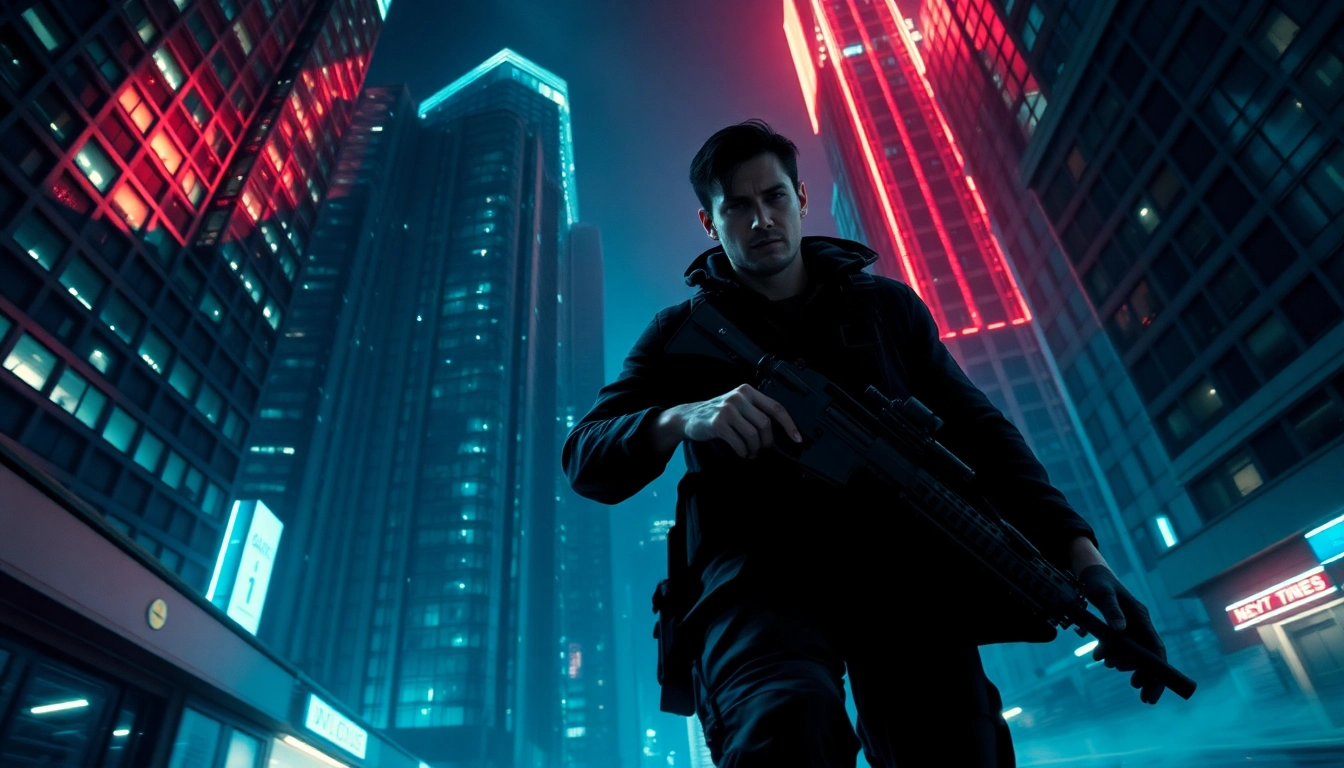
The Essence of Action Thriller
Understanding the Action Thriller Genre
At the intersection of adrenaline-pumping sequences and compelling stories lies the Action thriller genre. This combination ensures not only entertainment but also emotional engagement, creating a cinematic experience that viewers anticipate and remember. To grasp the essence of this genre, one must acknowledge its roots, where action heroes and suspenseful narratives converge, resulting in a unique storytelling format.
Traditionally characterized by high stakes, relentless pacing, and breathless action, action thrillers delve into the psyche of characters embroiled in life-or-death situations. From classic examples like “Die Hard” to modern hits such as “Mad Max: Fury Road,” the genre evolves while still capturing what audiences crave: excitement, urgency, and a rollercoaster of emotions.
Key Elements That Drive Engagement
Successful action thrillers thrive on a set of defining elements that not only elevate the narrative but deepen the audience’s connection to the story. These components include:
- Pacing: A hallmark of any great action thriller, pacing is the rhythm of the story. Quick cuts, rapid dialogue, and bursts of action keep viewers engaged.
- Conflict: Central to any thriller is a conflict that challenges the protagonist, be it a powerful villain, a looming catastrophe, or a moral dilemma.
- Stakes: High stakes create tension. Whether the life of a loved one is at risk or a ticking clock counts down, urgency compels the viewer to stay plugged in.
- Twists: Unexpected turn of events enrich the narrative, prompting analysis and creating memorable moments that linger long after the credits roll.
What Sets Action Thriller Apart from Other Genres
The Action thriller genre uniquely marries the visceral thrill of action sequences with the cerebral stimulus of narrative tension. Unlike straightforward action films that may focus solely on stunts or explosions, action thrillers incorporate intricate plots that demand more from their protagonists and engage the audience on multiple levels.
Compared to traditional thrillers, which may rely more heavily on psychological suspense, action thrillers balance both action and emotional stakes, providing a richer viewing experience. This fusion attracts varied audiences—those craving heart-pounding action as well as those seeking nuanced storytelling.
Crafting Compelling Characters in Action Thriller
Developing Flawed Heroes and Villains
Characters within action thrillers often exhibit profound depth, driven by flaws that render them relatable yet aspirational. Flawed heroes might struggle with personal demons or moral ambiguity, adding complexity to their roles. This creates a character arc that allows audiences to engage not just with their triumphs but also with their vulnerabilities.
Meanwhile, formidable villains present a contrasting moral compass. These antagonists often possess understandable motivations that may elicit some empathy from the audience, enriching the overall conflict. For example, a villain motivated by revenge stemming from personal loss adds another layer to their character, making them more than just an obstacle for the hero.
Character Arcs That Resonate with the Audience
Every character’s arc must evolve to resonate well with the audience. A well-crafted journey enables viewers to witness growth and development. Take the classic trope of the reluctant hero—this character starts weak, often clinging to a mundane life but eventually rises to face extraordinary challenges. The transformation from their initial state to a more decisive and confident persona mirrors a universal human experience, invoking a connection with viewers.
Additionally, character arcs should reflect genuine stakes. When a character’s evolution ties into the plot’s central conflict—like overcoming personal fears to save loved ones—the narrative gains authenticity and weight, enhancing viewer investment.
Involving Secondary Characters to Elevate the Plot
Secondary characters serve as essential catalysts within the Action thriller genre. They enrich the narrative landscape and provide context that bolsters the protagonist’s journey. These characters frequently embody various roles: mentors, sidekicks, or betrayers—each adding depth and dimension to the central story.
For example, a loyal sidekick can provide comic relief while assisting the hero in critical moments, further emphasizing the stakes involved. Alternatively, a mentor figure may challenge the hero’s philosophy, prompting crucial moments of self-discovery. These dynamics enrich character development and increase the complexity of the central conflict.
The Role of Pacing in Action Thriller
Balancing Action With Narrative Development
Pacing is critical in maintaining momentum throughout an action thriller. Effective pacing ensures a careful balance between high-octane sequences and essential exposition, enabling audiences to absorb the story without feeling overwhelmed. Directors and writers adeptly weave these elements to establish peaks of tension and valleys of reflection, creating a cinematic tapestry that feels both exhilarating and coherent.
A common technique is the ebb and flow of action sequences interspersed with quieter moments. For instance, a car chase may lead directly into a reflective dialogue between characters, enriching both the action and the story.
Effective Use of Cliffhangers
Cliffhangers are a hallmark of the action thriller genre, effectively propelling narratives and maintaining suspense. These dramatic devices leave audiences yearning for resolution, ensuring they remain engaged and eager to discover what happens next. Crafting cliffhangers necessitates a keen awareness of storytelling rhythms, often concluding chapters or scenes right at the brink of resolution.
Employing cliffhangers reinforces strong narrative hooks. For instance, concluding on a tantalizing reveal about a villain’s plan can keep viewers on edge, eager to see how the protagonist will confront these challenges in subsequent scenes.
Techniques for Maintaining Suspense
Suspense in Action thriller films is achieved through a combination of techniques, each designed to evoke anxiety and anticipation. Effective use of music, pacing, and visual framing all contribute significantly to the build-up of tension. For example, taut, suspenseful scores can elevate a mundane exchange into a moment of critical importance, fostering an emotional charge.
Visual storytelling also plays a pivotal role. Close-ups can convey characters’ emotions, building suspense through body language and expression. Similarly, framing shots in a way that conceals critical information can create uncertainty and curiosity—elements essential to the thrill.
Setting the Scene: Locations in Action Thriller
The Importance of Environment in Tension Building
Locations in action thrillers hold immense significance. They serve not only as backdrops but also as dynamic elements that can enhance the thematic undertones of a story. Urban landscapes, desolate terrains, or even historical sites can embody the perilous journey faced by characters. For instance, gritty city streets might be a common setting for pursuits, while isolated cabins may serve as the perfect locales for emotional confrontations.
The environment can emphasize isolation, danger, or urgency—themes inherent in the action thriller genre. By choosing settings that resonate with the plot’s emotional and narrative stakes, creators can enrich audience engagement.
Selecting the Right Backdrops for Action Sequences
Choosing the correct backdrop for action sequences involves a meticulous selection process that weighs thematic relevance against visual impact. Environments must complement the action, enhancing both the narrative and aesthetic experience. For example, a thrilling chase through a bustling marketplace not only serves as a visually rich sequence but also heightens tension as pedestrians scramble to avoid chaos.
Filmmakers often gravitate towards diverse locations to introduce unexpected dynamics. Utilizing international settings or even unique, lesser-known environments can add a layer of intrigue, offering audiences a thrilling escape from the familiar.
Global Influences on Setting Choices
The interplay of globalization profoundly influences setting choices in the action thriller genre. As films gain international audiences, the adoption of diverse locations becomes ever more prevalent. Action thrillers often traverse cultures and boundaries, showcasing not just stunning visuals but also weaving in global storytelling elements.
This represents the genre’s evolution, reflecting societal shifts and merging cultural narratives. For instance, a story set in a futuristic metropolis may incorporate traditional elements from an ancient era, creating a compelling juxtaposition that captures audience interest while amplifying the thrills.
Future Trends in Action Thriller Storytelling
Impact of Streaming Services on Genre Evolution
The rise of streaming services has revolutionized the ways action thrillers are created, marketed, and consumed. Accessible platforms broaden horizon for storytelling, allowing for diverse narratives that might have unwittingly slipped through the cracks in traditional cinema. The surge in limited series formats enables deeper characterization and intricate plots, giving creators the latitude to experiment with storylines.
Furthermore, immense data analytics from streaming platforms allow studios to tailor content based on viewing habits and audience preferences. This iterative process enhances the alignment between viewer expectations and the fundamental elements characteristic of compelling action thrillers.
Audience Expectations in the Digital Age
The digital age has ushered in new audience expectations, demanding quick, engaging content that captivates without dragging. Today’s viewers often seek a blend of traditional thrills and innovative storytelling techniques, urging creators to push boundaries. Interactivity in films, transmedia storytelling, and immersive experiences have all reshaped how action thrillers are envisioning future narratives.
Moreover, inclusivity and representation remain central to viewer demands. Audiences now favor narratives that reflect diverse experiences, encouraging filmmakers to create characters and stories that resonate across cultural and societal textures.
Integrating Technology and Innovation in Action Thriller
Technology has permeated the creative process of action thrillers in compelling ways. From advanced CGI and motion capture to enhanced sound design, the technical evolution facilitates storytelling methods that captivate modern audiences. Filmmakers are integrating drones for breathtaking aerial sequences and utilizing augmented reality to offer immersive experiences that enhance viewer engagement.
Furthermore, the experimentation with narrative formats—such as incorporating real-time storytelling elements—adds layers of intrigue. These innovations not only appeal to a tech-savvy generation but resonate with the exhilarating nature of the Action thriller genre itself.