
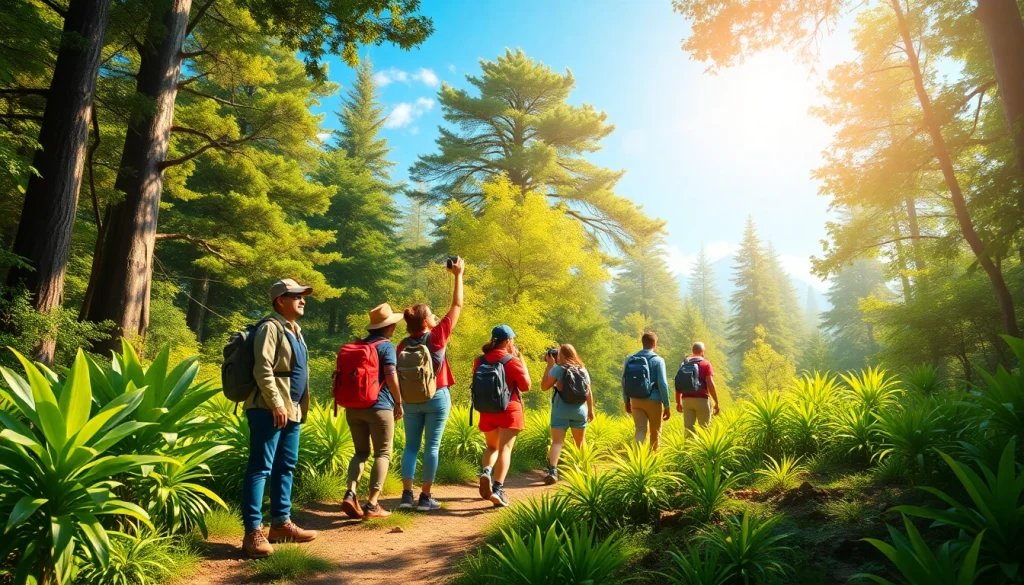
Understanding the Essence of Expeditions
What is an Expedition?
At its core, an expedition represents an organized journey with a specific purpose or objective. This journey could involve scientific research, exploration of uncharted territories, or fulfilling adventurous goals. Expeditions are often characterized by their supportive structures, designed to help travelers navigate unfamiliar landscapes, connect with local cultures, and achieve dedicated objectives. These journeys differ significantly from casual travel; they require intricate planning, a defined mission, and often a spirit of teamwork among participants.
Historical Significance of Expeditions
Throughout history, expeditions have shaped our understanding of the world, from early navigators exploring the oceans to modern-day adventurers charting remote areas of the globe. The Age of Exploration, marked by notable figures such as Christopher Columbus and Ferdinand Magellan, highlights how expeditions catalyzed cultural exchanges, scientific discoveries, and territorial claims. These journeys often led to milestones in cartography and geography, directly influencing trade routes and imperial strategies. In recent years, expeditions have evolved to include scientific research aimed at conservation and climate change, reflecting the growing need to understand and protect our planet.
Modern-Day Expedition Trends
Today, expeditions encompass a variety of interests, from eco-tourism to adventure travel. Many modern expeditions focus not only on the thrill of exploration but also on sustainable practices that benefit local communities and ecosystems. Travelers are seeking meaningful experiences that connect them with nature and different cultures, which has sparked a trend towards socially responsible tourism. In such a context, it’s crucial to balance adventure with respect and preservation of the cultural and natural heritage of the destinations, making understanding and preparation more vital than ever.
Planning Your Perfect Expedition
Choosing the Right Destination
Choosing a destination for your expedition is arguably one of the most critical steps in your planning process. The right destination should align with your interests, be it breathtaking landscapes, rich wildlife, or intriguing cultural experiences. Consider factors such as accessibility, climatic conditions, and available local resources. Researching popular routes and recommendations from previous adventurers can provide insights into what to expect and how to prepare. Utilizing resources like https://wpedition.com/ can help streamline these choices by offering curated expedition guides and tips.
Essential Gear and Preparation
Equipping yourself with the right gear is vital for ensuring a successful expedition. Depending on your destination and the nature of your activities, gear may include hiking boots, camping equipment, climbing gear, and special clothing suited for the climate. Additionally, preparation serves as a crucial step; this may involve physical training, learning survival skills, or acquiring specialized knowledge relevant to your expedition. Experienced adventurers often recommend making a detailed checklist to avoid forgetting essential items.
Safety Considerations for Adventurers
Safety is paramount on any expedition. Depending on your chosen location, wildlife, weather, and terrain can pose unique challenges. It’s essential to familiarize yourself with potential risks before embarking on your journey. Creating a safety plan, including first aid training, emergency contacts, and local regulations, can empower adventurers to respond to unforeseen situations. Additionally, joining a group expedition led by experienced guides can provide an added layer of safety and support.
Types of Expeditions to Consider
Outdoor Adventures: Hiking and Climbing
Outdoor adventures, particularly hiking and climbing, represent some of the most popular forms of expeditions. These activities draw participants into natural surroundings, allowing them to appreciate landscapes while challenging themselves physically. Hiking expeditions can vary from simple day hikes to multi-day treks through rugged terrain. Climbing, on the other hand, typically involves specific technical skills and equipment. Many mountains offer guided climbing services for those interested in reaching new heights without prior experience.
Cultural Expeditions: Experiencing Local Life
Cultural expeditions focus on immersing travelers in local traditions, lifestyles, and practices. These journeys might include stays in villages, participation in local festivals, and workshops in traditional crafts. By interacting with residents and learning about their history, participants can gain meaningful insights into the culture while contributing to community-based tourism initiatives. Such experiences not only enhance personal growth but also create sustainable benefits for local communities.
Wildlife Expeditions: Exploring Nature’s Wonders
Wildlife expeditions highlight the beauty and diversity of animal life within natural habitats. Engaging in wildlife safaris or marine explorations allows adventurers to observe animals in their native environments, fostering a deeper appreciation for biodiversity. These expeditions are often led by wildlife experts who can offer insights into animal behaviors and ecosystem dynamics. Additionally, responsible wildlife tourism emphasizes conservation efforts and educates travelers on the challenges facing various species.
Maximizing Your Expedition Experience
Capturing the Moments: Photography Tips
Documenting your expedition through photography offers opportunities to savor the journey long after it ends. Investing in a quality camera and learning basic photography techniques can enhance your ability to capture stunning images. Tips such as considering lighting, focusing on composition, and being patient for the right moment can significantly improve your photographs. Additionally, using natural settings as backdrops, and engaging with your subjects authentically can help create compelling narratives through your photos.
Engaging with Local Communities
Engagement with local communities can enrich your expedition experience significantly. Seeking opportunities to participate in community events or workshops fosters connections and mutual respect between travelers and locals. Respecting cultural norms and traditions while expressing genuine curiosity can facilitate deeper interactions. These moments often impart invaluable lessons, allowing participants to return home with enriched perspectives and stories to share.
Sustainable Practices During Expeditions
Sustainability should be at the forefront of every expeditionist’s mind. Following the principles of low-impact travel minimizes your environmental footprint and conserves natural resources. Actions such as adhering to marked trails, carrying out what you bring in, and supporting local economies through ethical tourism are ways to practice sustainable traveling. Emphasizing these practices not only preserves the beauty of the landscapes we explore but also ensures that future generations can enjoy these adventures as well.
Evaluating Expedition Success
Post-Expedition Reflection and Learning
After completing an expedition, taking time to reflect on your experiences can provide invaluable insights for future journeys. Consider what aspects went well, what challenges arose, and how they were managed. Documenting these reflections in a journal helps solidify lessons learned and can inform your planning for subsequent expeditions. Such evaluations may also guide personal growth and enhance your skill set for future adventures.
Sharing Your Experience with Others
Sharing your expedition experience can inspire others to embark on their journeys. Whether through social media, blog posts, or community talks, conveying your adventures can engage and motivate fellow travelers. Emphasizing the key learnings and challenges faced can enrich the stories shared, allowing others to benefit from your insights. Furthermore, creating presentations that highlight both the joys and difficulties can foster discussions on best practices for expedition planning.
Measuring Impact and Improvement for Future Trips
Measuring the impact of your expedition on yourself and your surroundings is an essential step toward becoming an informed traveler. Consider the personal growth achieved, the connections made with locals, and contributions to conservation efforts. Collecting feedback and seeking out reflections from peers on shared expeditions can also generate insights into group dynamics and logistical considerations. By evaluating these factors, you can refine your approach to future expeditions, ensuring they are as enriching, sustainable, and responsible as possible.