Understanding Metal Roofing
What is Metal Roofing?
Metal roofing is a durable and robust roofing system made from metal pieces or tiles, designed to provide exceptional protection against various weather conditions. Unlike traditional roofing materials, metal roofing offers a longer lifespan, often lasting between 40 to 70 years depending on the material used. It is available in a broad spectrum of styles, gauges, and colors, allowing homeowners to choose a finish that complements their home’s aesthetic. Metal roofing is not only lightweight but also highly resilient against corrosion, making it an excellent choice for both residential and commercial properties.
Types of Metal Roofing
There are several types of metal roofing systems available to suit different needs and preferences:
- Steel Roofing: Galvanized or Galvalume steel roofing is the most common metal roofing choice, known for its strength and affordability. It’s available in various styles, including panels and shingles.
- Aluminum Roofing: Lightweight and resistant to corrosion, aluminum roofing is ideal for coastal areas. It does not rust, which makes it a popular choice among homeowners in humid regions.
- Copper Roofing: Known for its stunning appearance and longevity, copper roofing can last over 100 years. Its natural patina provides an attractive aesthetic, making it a preferred choice for upscale architecture.
- Zinc Roofing: Like copper, zinc develops a protective patina that contributes to its longevity. It’s a sustainable option, often incorporated into environmentally friendly building projects.
- Metal Shingles: These resemble traditional shingles but offer enhanced durability. Metal shingles are available in various designs and colors, providing an appealing look without sacrificing strength.
Benefits of Metal Roofing
Metal roofing offers numerous benefits that make it a desirable choice for many homeowners:
- Durability: Metal roofs can endure severe weather conditions, including heavy snow, rain, and high winds. They are less likely to crack or corrode.
- Energy Efficiency: Metal reflective roofs can help reduce cooling costs by reflecting solar radiant heat, keeping homes cooler during summer.
- Environmentally Friendly: Many metal roofs are made from recycled materials and can be recycled at the end of their lifespan, reducing landfill waste.
- Fire Resistance: Metal roofing is non-combustible and can offer fire resistance, protecting homes from wildfires and sparks.
- Low Maintenance: Metal roofs require minimal maintenance compared to shingles, which can deteriorate more quickly.
Cost Considerations for Metal Roofing
Metal Roofing Prices Explained
The cost of metal roofing can vary significantly based on a multitude of factors, such as the type of metal, roofing style, and area. Generally, metal roofing costs between $4 to $30 per square foot. While the upfront cost is higher than traditional roofing options like asphalt shingles, metal roofs can provide long-term savings due to their durability and energy efficiency.
Factors Affecting Cost
Several factors can influence the overall cost of metal roofing installation:
- Material Type: Different metals come with various costs; for instance, copper prices significantly exceed those of steel or aluminum.
- Roof Style: Complex roof designs may require additional labor and materials, affecting the installation cost.
- Replacement vs. New Installation: Installing a metal roof over existing shingles is often cheaper than a complete tear-off and replacement.
- Location: Labor costs can vary by region, reflecting local market rates.
- Accessories: Additional features like trims, flashing, and underlayment can also add to the total price.
Cost Comparison with Other Roofing Options
When comparing metal roofing to other materials like asphalt shingles, the upfront costs are higher, but the long-term benefits can offset initial investments. Here is a brief comparison:
| Roofing Material | Average Cost per Square Foot | Average Lifespan |
|---|---|---|
| Asphalt Shingles | $1 – $5 | 15-30 years |
| Metal Roofing | $4 – $30 | 40-70 years |
| Copper Roofing | $12 – $25 | 70-100 years |
Installation Process for Metal Roofing
Preparation and Safety Measures
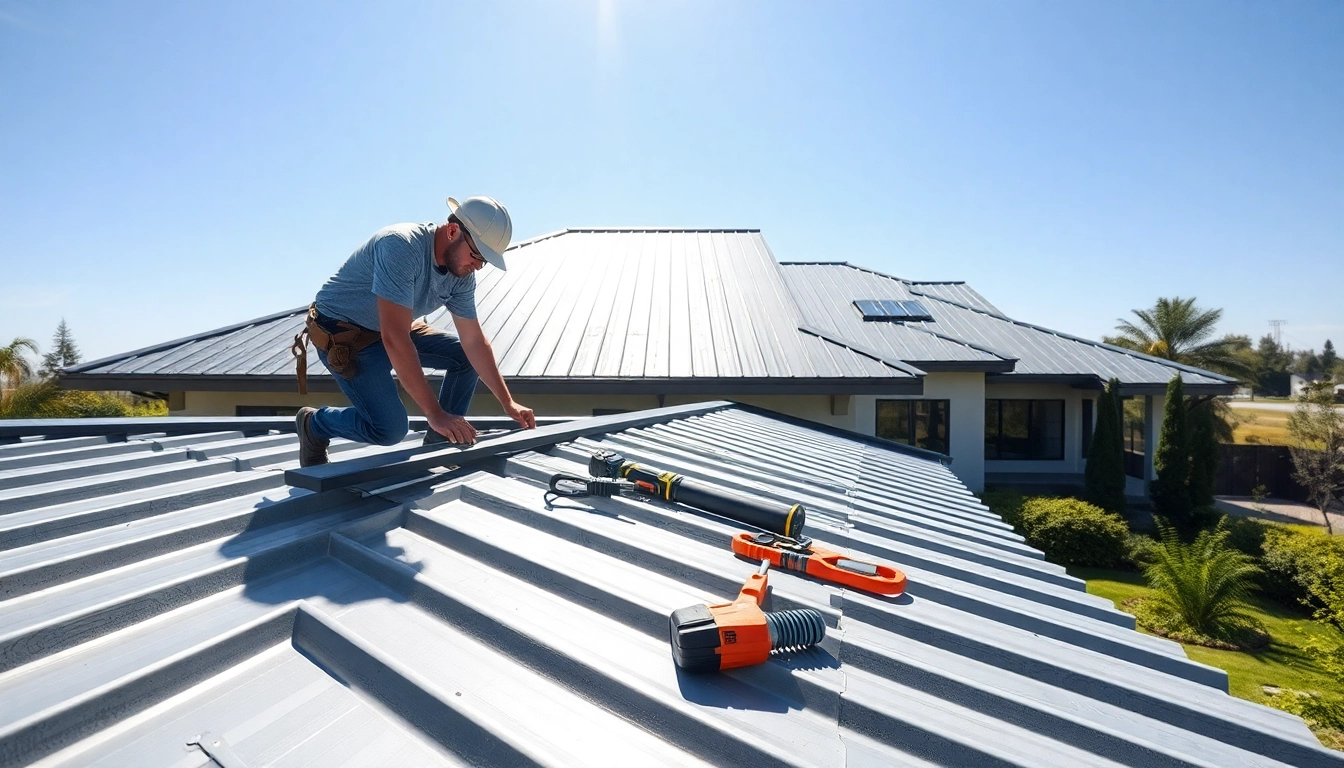
Before installation begins, proper preparation and adherence to safety guidelines are critical. Here are essential steps and safety tips:
- Ensure local building codes and zoning laws permit metal roofing.
- Conduct a thorough inspection of the existing roof structure.
- Gather necessary tools like safety harnesses, ladders, and cutting tools.
- Wear safety gear, including gloves, hard hats, and eye protection.
Step-by-Step Installation Guide
Installing metal roofing involves several steps:
- Remove Existing Roof (if necessary): Safely tear off any existing roofing materials.
- Inspect and Repair the Deck: Ensure that the decking is sound and replace any damaged areas.
- Install Underlayment: Lay down an appropriate underlayment to provide an extra moisture barrier.
- Install Flashing: Apply flashing around chimneys, pipes, and roof edges to prevent leaks.
- Lay Metal Panels: Start from the bottom edge and work upwards, overlapping each panel correctly.
- Secure the Panels: Fasten panels using appropriate screws or clips, ensuring tight fit.
- Finish with Trims: Add necessary trims around the roof edges for a polished look.
Common Mistakes to Avoid
Avoiding common pitfalls can lead to a successful installation. Here are mistakes to watch out for:
- Neglecting proper underlayment installation may lead to moisture issues.
- Using low-quality materials can shorten the lifespan of the roofing.
- Improperly fastening panels might lead to leaks and structural issues.
- Failing to comply with local building codes can result in fines and rework.
Maintenance and Longevity of Metal Roofing
Routine Maintenance Tips
Maintaining your metal roof can enhance its longevity. Follow these tips:
- Inspect the roof twice a year for rust, damage, and debris buildup.
- Clear gutters and downspouts to prevent water accumulation.
- Wash the roof with a non-corrosive cleaner to remove dirt and prevent corrosion.
- Ensure that fasteners are secure and replace any that have become loose.
Signs Your Metal Roof Needs Attention
Recognizing the signs of wear can prevent costly repairs:
- Rust patches on the surface indicate corrosion and require treatment.
- Loose or missing fasteners can lead to leaks and need to be re-secured.
- Visible metal panel distortion may signal structural weaknesses.
- Water stains on ceilings underneath the roof suggest possible leaks.
Lifespan Expectations
Metal roofing is often perceived as a long-term solution. Depending on the type of metal used, a roof can last anywhere from 40 to over 100 years. Factors like climate, maintenance, and installation quality play crucial roles in determining its lifespan. Proper upkeep ensures that metal roofs perform optimally throughout their lifetime.
FAQs about Metal Roofing
Metal Roof vs Shingles: Which is Better?
Metal roofs last longer and resist harsh weather better than shingles, which typically require more frequent replacement. While metal can be more expensive initially, it often results in lower long-term costs.
How Long Does Metal Roofing Last?
Metal roofing can last anywhere from 40 to 70 years, depending on the type and maintenance practices. Some materials, like copper, may last over 100 years.
Can Metal Roofing Be Installed Over Existing Roofs?
Yes, metal roofing can often be installed over existing roofs without the need for a tear-off. This can save time and costs, but ensure to check local building codes.
Is Metal Roofing Noisy During Rain?
Metal roofing is not inherently noisy; however, insulation and underlayment can significantly reduce sound levels during rain. Some homeowners add ceiling insulation for additional soundproofing.
What Colors Are Available for Metal Roofing?
Metal roofing is available in a wide variety of colors, including classic options like red, green, blue, and natural finishes like copper and zinc. Many manufacturers offer custom colors to match your home’s style.