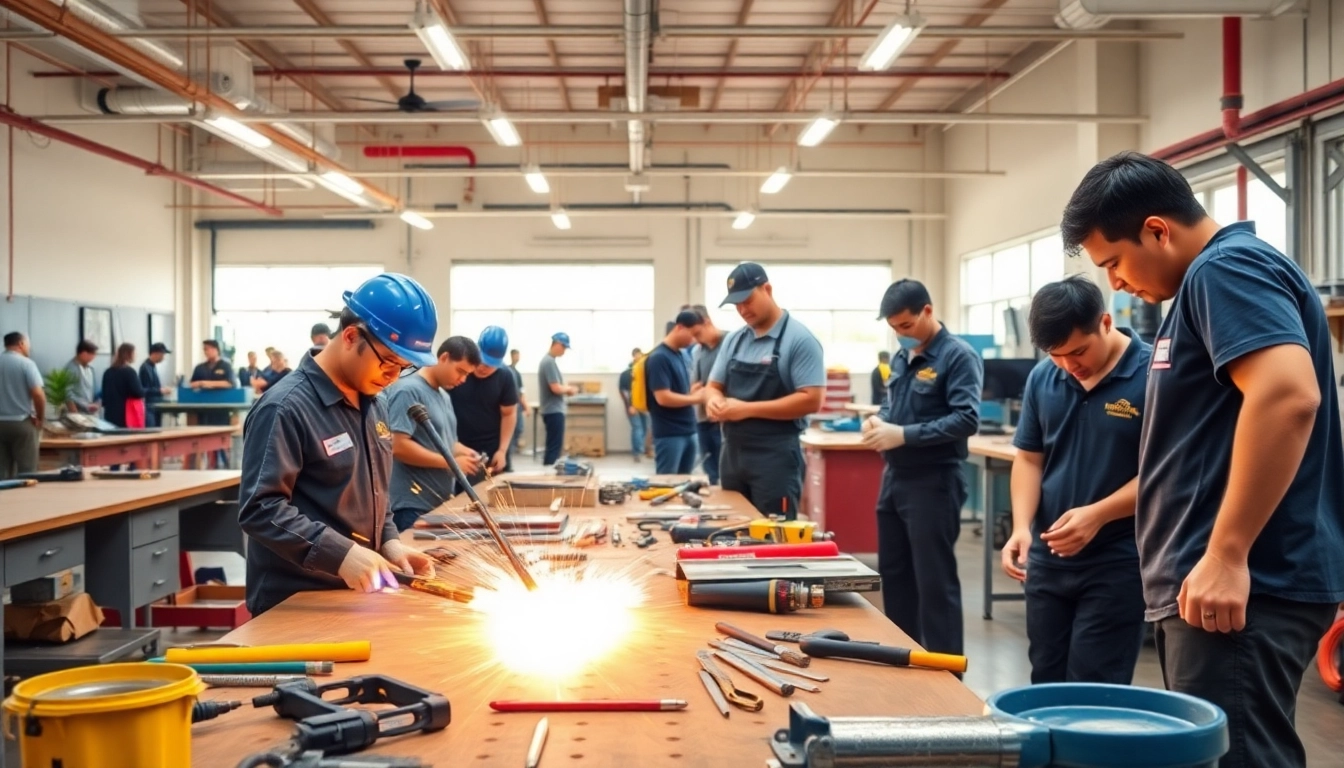

In today’s fast-paced economy, the importance of skilled trades training cannot be overstated. The skilled trades encompass a variety of professions that are critical to our infrastructure, economy, and overall quality of life. From electricians and plumbers to carpenters and HVAC technicians, skilled tradespeople possess specialized knowledge that allows them to perform essential services. As industries evolve and technology advances, the demand for skilled workers continues to grow, making training programs more vital than ever.
The Importance of Skilled Trades Training
Career Growth and Opportunities
Skilled trades training provides a pathway to rewarding careers with significant growth potential. Many trade professions offer competitive wages, benefits, and opportunities for advancement. As experienced craftsmen retire, younger workers are needed to fill those gaps. Thus, entering a skilled trade not only opens up immediate employment opportunities but also sets the stage for long-term career progression.
For instance, electricians with experience can become project managers, while skilled plumbers may start their own businesses after building a solid customer base. Certifications and licenses obtained during training further enhance employability, demonstrating to employers that candidates have met industry standards.
Building a Skilled Workforce
A strong, well-trained workforce is essential for any economy. Skilled trades training programs contribute to a skilled labor pool that enhances productivity and innovation. These programs help bridge the skills gap many industries face today, ensuring that businesses have access to qualified workers who can efficiently meet their needs. Collaboration between training organizations and local industries is crucial for tailoring curricula and enhancing practical experience, thus ensuring that graduates are ready for the workforce.
Contributing to Economic Development
The impact of skilled trades training reaches beyond individual careers; it plays a critical role in economic development. Regions with robust training programs create a more dynamic local economy by attracting businesses that require skilled labor. Economic growth stimulated by this influx leads to job creation and investment in community infrastructure. According to studies, for every $1 invested in skilled trades training, communities can see a significant return, not only in economic terms but also in societal benefits.
Types of Skilled Trades Training Programs
Apprenticeships and On-the-Job Training
One of the most effective pathways to skilled trades training is through apprenticeships. These programs combine classroom instruction with hands-on experience, allowing trainees to earn while they learn. An apprenticeship typically lasts several years and culminates in a certification or journeyman status, which is recognized as a qualification in the field.
On-the-job training complements this model, enabling trainees to develop practical skills under the supervision of experienced professionals. This experiential learning not only builds confidence but also cultivates the technical abilities necessary to perform trades successfully.
Technical Schools and Community Colleges
Technical schools and community colleges offer tailored programs focused on the skilled trades. These institutions provide structured curriculums that include theoretical knowledge and technical skills. Programs often feature small class sizes, allowing for personalized instruction, access to advanced equipment, and industry-standard practices. Graduates emerge ready for entry-level positions or further apprenticeship opportunities.
Online and Hybrid Learning Options
In recent years, online learning has gained popularity, especially following the global shift towards remote education. Hybrid learning models that combine online coursework with in-person practical training have emerged, making skilled trades training more accessible. These models cater to diverse learning styles and schedules, enabling a broader audience to pursue crafts that suit their interests and capabilities.
Skills Developed Through Skilled Trades Training
Technical Proficiencies
Technical skills are at the heart of any skilled trade. Training equips individuals with the specific knowledge required for tasks such as blueprint reading, installation protocols, and equipment maintenance. For example, aspiring electricians learn about electrical systems, safety protocols, and wiring techniques that are crucial for successful completion of their work.
Soft Skills Enhancement
In addition to technical proficiencies, skilled trades training emphasizes the development of soft skills, such as communication, teamwork, and problem-solving. As many trades require collaboration with clients and colleagues, these interpersonal skills are vital. Employers increasingly seek workers adept in managing relationships and navigating complex interactions in the workplace.
Safety and Compliance Knowledge
Safety training is fundamental in the skilled trades, given the potential hazards present while working in construction, plumbing, or electrical environments. Programs emphasize adherence to local and national safety regulations, including Occupational Safety and Health Administration (OSHA) standards. Knowledge of safety compliance not only protects individuals but also helps organizations avoid penalties and foster a culture of workplace safety.
Challenges in Skilled Trades Training
Attracting New Students
While skilled trades are essential, one ongoing challenge is attracting new students. Many young individuals pursue academic degrees rather than vocational training, influenced by societal views that often look down upon trade professions. To overcome this barrier, initiatives that promote the benefits of skilled trades, such as job stability and earnings potential, are crucial. Community outreach programs can help raise awareness, showcasing real success stories from tradespeople.
Funding and Resource Allocation
Insufficient funding often hampers the availability and quality of skilled trades training programs. Striking partnerships between educational institutions, government entities, and industry stakeholders can help secure financial support for equipment, facilities, and qualified instructors. Advocating for better funding can ensure that programs have the resources needed to thrive.
Keeping Curriculums Updated
The skilled trades landscape is continually evolving due to advancements in technology and materials. Keeping curricula aligned with current industry standards is crucial but challenging. Regularly consulting with industry professionals and incorporating feedback from employers can help educational institutions remain responsive to changing needs and technologies.
Measuring Success in Skilled Trades Training
Graduate Employment Rates
One of the primary metrics for evaluating the effectiveness of skilled trades training programs is graduate employment rates. High placement rates indicate that programs successfully prepare students for the workforce. Continuous tracking and analysis of employment data help institutions assess their programs and make necessary adjustments.
Employer Satisfaction
Another essential factor is employer satisfaction with training program graduates. Surveys and feedback mechanisms should be established to gauge how well graduates meet industry expectations. Positive employer responses can lead to strengthened partnerships, bolstering the training program’s reputation and attractiveness to prospective students.
Long-Term Career Paths
Long-term career success can also be a strong indicator of program effectiveness. Tracking career advancement, salaries, and job stability of graduates over time provides valuable insights into the impact of skilled trades training. Highlighting successful career trajectories can serve as powerful testimonials to attract newcomers to the trade.
Frequently Asked Questions
What is skilled trades training?
Skilled trades training involves teaching specialized technical skills through programs like apprenticeships, technical schools, and online learning. It’s focused on preparing individuals for specific careers in various trades, such as plumbing, electrical work, and carpentry.
What are the benefits of pursuing skilled trades?
Pursuing skilled trades offers numerous benefits, including job security, competitive salaries, opportunities for advancement, and the satisfaction of working with one’s hands to create and repair essential systems and structures.
How do apprenticeships work in skilled trades?
Apprenticeships combine on-the-job training with classroom instruction over several years. Apprentices work under the guidance of experienced professionals, gaining practical skills and knowledge while earning a wage.
Are there online options for skilled trades training?
Yes, many institutions now offer online and hybrid options for skilled trades training. These programs enable flexibility, allowing individuals to complete theoretical coursework online while participating in hands-on training in person.
What soft skills are important in skilled trades?
Soft skills such as communication, teamwork, and problem-solving are essential in skilled trades. These skills help workers navigate interactions with clients, collaborate with colleagues effectively, and resolve workplace challenges.