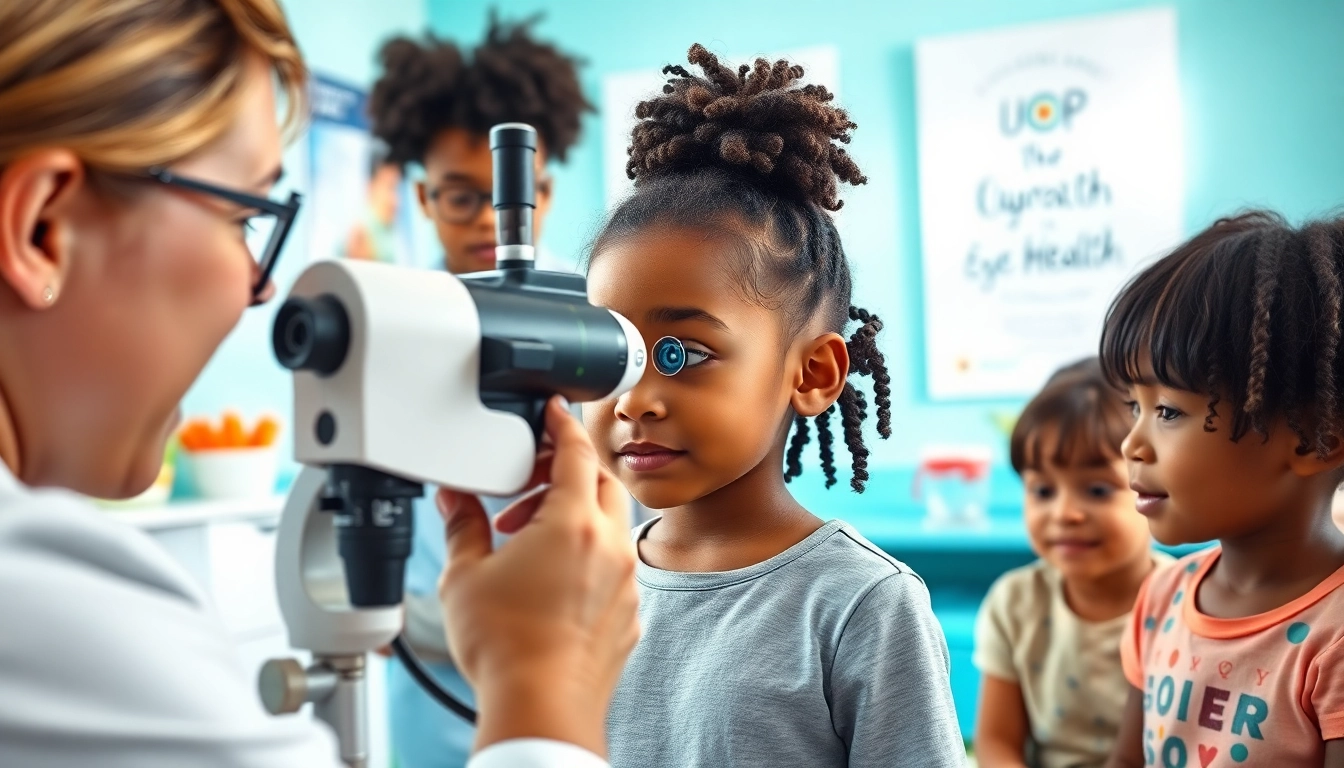
Understanding Our Children's Vision
As caregivers and educators, one pressing concern we face is the eye health of our children. Around the world, millions lack access to essential eye care services, leading to a range of preventable vision problems that can have lasting effects. The initiative known as Our Children's Vision aims to raise awareness and provide effective, sustainable measures to ensure that children receive the eye care they need. In this article, we will explore the crucial aspects of children's eye health, discuss common vision problems, and outline effective strategies for promoting eye care awareness.
Overview of Eye Health Needs for Children
Children’s visual systems are still developing, making them particularly vulnerable to eye problems. The need for proper eye care begins early in life, as undetected vision issues can severely hamper a child’s educational prospects and social interactions. Regular eye exams play a pivotal role in identifying issues like refractive errors, amblyopia, or strabismus, which can be treated more effectively when caught early. With a significant percentage of school-aged children in need of vision correction, understanding their eye health needs is crucial for parents and educators alike.
The Importance of Early Vision Screening
Early intervention is key to managing vision issues in children. Vision screenings can be conducted by pediatricians, family doctors, school nurses, or optometrists who specialize in children’s eye care. These screenings typically assess visual acuity, eye alignment, and overall ocular health. The American Academy of Pediatrics recommends that children have their first comprehensive eye examination at six months, again at age three, and just before they enter first grade. Early screening not only detects existing issues but also helps in preventing potential learning disabilities caused by uncorrected vision problems.
Common Vision Problems in Childhood
Several vision problems are prevalent among children, including:
- Refractive Errors: Conditions such as myopia (nearsightedness), hyperopia (farsightedness), and astigmatism can cause significant visual impairment without timely correction.
- Amblyopia: Often referred to as "lazy eye," amblyopia occurs when one eye fails to achieve normal visual acuity. It typically arises when an eye misaligns, leading to reduced vision that can be improved with early treatment.
- Strabismus: This condition involves misalignment of the eyes, which can lead to poor depth perception and amblyopia if not properly managed.
- Color Vision Deficiency: Color blindness affects the ability to distinguish colors and may impact learning, particularly in subjects such as art and science.
By understanding these common vision problems, parents and educators can be better equipped to identify symptoms and seek appropriate care for affected children.
Strategies for Promoting Eye Care Awareness
Promoting awareness about eye health is vital for safeguarding children’s vision. Here are effective strategies to initiate community involvement and ensure wider access to eye care services.
Community Outreach Programs for Our Children's Vision
Engaging the community through outreach programs is an effective way to raise awareness about children’s vision health. These programs can include free vision screenings, educational seminars, and distribution of informational materials. Collaborating with local healthcare agencies allows organizations to reach families who may be unaware of the importance of eye care. Additionally, hosting events in schools where parents can learn about vision health is an excellent way to create a proactive approach to identifying and addressing vision issues in children.
Collaboration with Healthcare Professionals
Collaboration between schools and healthcare providers is essential in creating a comprehensive eye care network. Schools can invite optometrists to conduct screenings and provide follow-up care recommendations. Establishing partnerships with local eye care clinics can lead to the development of referral networks, ensuring children receive the necessary services when issues are detected. Furthermore, educating healthcare professionals about the common vision problems faced by children can enhance their ability to offer effective care.
Engaging Schools and Parents
Schools play a pivotal role in promoting the importance of eye care. Educators should be involved in developing programs that encourage regular vision checks and highlight the link between good vision and academic performance. Parent-teacher meetings can serve as platforms to discuss children's eye health. Providing parents with resources, such as checklists for signs of vision problems, can empower them to play an active role in their children’s eye care journeys. Building a supportive community around eye health is essential for fostering better outcomes for children.
Implementing Effective Eye Health Services
To effectively combat vision problems among children, implementing comprehensive eye health services is necessary. This involves creating best practices for eye examinations and developing programs that address the unique needs of children.
Best Practices for Pediatric Eye Exams
Pediatric eye exams should be conducted in a child-friendly environment to reduce anxiety and enhance cooperation. Practitioners are encouraged to use age-appropriate language and tools during assessments. A comprehensive exam will generally include visual acuity tests, evaluation of eye coordination, and a thorough examination of eye health. Moreover, training for healthcare providers should focus on recognizing and managing pediatric-specific vision issues effectively.
Developing Comprehensive Eye Care Programs
Developing comprehensive eye care programs can significantly improve access to services. These programs should incorporate routine screenings, educational components, and follow-up services to address any identified issues. Efforts should be made to minimize barriers such as transportation and financial challenges, which can prevent families from seeking the care their children need. Collaborations with local health departments can also streamline efforts and ensure that services reach underserved populations.
Evaluating the Impact of Eye Care Initiatives
To measure the effectiveness of eye care initiatives, continuous evaluation is essential. This can involve collecting data on screening rates, treatment outcomes, and overall community awareness. Utilizing performance metrics such as the number of children who receive comprehensive eye exams and the percentage of those who require corrective measures can help assess the programs' impact. Regular feedback from program participants, including parents, healthcare providers, and educators, can offer valuable insights for ongoing improvement.
Research and Innovations in Child Eye Health
Ongoing research in child eye health is critical for identifying new solutions and innovative practices that enhance treatment outcomes. Novel approaches are essential for improving children’s visual health on a global scale.
Emerging Solutions for Vision Improvement
Emerging solutions in vision improvement continue to evolve, driven by research and technological advancements. For instance, vision therapy, which can help restructure how the brain processes visual information, shows promise as a non-surgical approach to treat various conditions such as amblyopia and strabismus. Innovations such as low-vision aids and adaptive technologies can assist children with visual impairments in navigating their educational environments more effectively.
Investigative Studies on Child Vision
Investigative studies play a crucial role in understanding how different factors affect children’s vision. Research focusing on the impact of digital device usage on vision, for instance, highlights the importance of setting appropriate screen time limits for children. These insights can inform guidelines for parents and educators on balancing technology use with outdoor activities that can benefit eye health.
Technological Advancements in Eye Care
Technological advancements have significantly transformed eye care practices. Innovative diagnostic tools and imaging technologies allow for earlier and more accurate detection of eye conditions. Furthermore, telemedicine services have expanded access to eye care specialists, allowing remote consultations and follow-ups, which can be particularly beneficial for families living in rural areas. Identifying ways to integrate such technologies into routine eye care practices can enhance service delivery and improve health outcomes for children.
Measuring Success of Our Children's Vision Initiatives
Measuring the success of initiatives dedicated to children's eye health requires a multifaceted approach that includes performance evaluation and stakeholder feedback.
Performance Metrics for Eye Health Programs
To ascertain the effectiveness of eye health programs, it is critical to establish clear performance metrics. These can include tracking the number of screenings conducted, identifying the rate of referral for further examination, and documenting treatment success rates. Additionally, monitoring educational outcomes can highlight the impact of improved vision on academic performance, reinforcing the value of prioritizing children's eye health.
Feedback from Community Stakeholders
Feedback from various stakeholders within the community enriches the evaluation process. Engaging parents, educators, and healthcare professionals in discussions about their experiences with eye care services provides insights that can drive improvements. Conducting surveys or focus groups can help gather constructive feedback that informs future initiatives and helps identify unmet needs in the community.
Future Directions for Eye Care Services
Looking ahead, it is imperative to establish sustainable policies ensuring eye care services are accessible for all children. This can involve advocating for increased funding for vision programs, promoting public health campaigns focused on eye health awareness, and enhancing educational resources for parents and schools. The ultimate goal is to create a future where all children enjoy the gift of sight, the ability to learn, and the opportunity to thrive in their communities.