Understanding Construction Site Safety
Construction site safety is a critical concern in the construction industry, where various hazards present risks to workers and site integrity. Properly enforcing construction site safety measures not only safeguards employees but also ensures that projects are completed on time and within budget. The implications of neglecting safety protocols can be severe, leading to accidents, injuries, or even fatalities. To cultivate a secure work environment, it is imperative to grasp the fundamental concepts of construction site safety, ranging from understanding its importance to implementing effective policies and protocols.
Importance of Construction Site Safety
Prioritizing construction site safety has numerous advantages. First and foremost, it protects workers from accidents and health hazards. Construction sites are often fraught with potential dangers such as falling objects, electrical hazards, and equipment malfunctions. By implementing robust safety measures, incidents can be significantly reduced. Furthermore, emphasizing safety enhances productivity. When workers feel safe, morale increases, leading to higher performance levels. Additionally, adhering to safety regulations helps avoid costly fines and legal fees associated with workplace incidents, thereby contributing positively to a company's financial health.
Key Components of Effective Safety Protocols
Effective safety protocols encompass several critical components, including risk assessments, safety training, compliance with regulations, and the use of personal protective equipment (PPE). Regularly carrying out risk assessments helps identify potential hazards on the site, ensuring that preventive measures are implemented accordingly. Safety training equips workers with the necessary knowledge and skills to navigate hazards effectively. Moreover, compliance with local and national safety guidelines establishes best practices that safeguard workers and minimize liability for the organization. Finally, the use of appropriate PPE is non-negotiable for protection against various site-specific risks.
Common Hazards on Construction Sites
Understanding common hazards on construction sites is vital for an effective safety strategy. Frequently encountered hazards include:
- Falls: Leading cause of injuries in construction, stemming from unprotected edges or improper use of ladders.
- Electrocution: Often occurs due to contact with live wires or improper grounding of equipment.
- Struck-by Objects: Accidents arise when materials or equipment fall or are improperly secured.
- Caught-in and Between: These accidents can happen during equipment operation or when workers are trapped between moving machinery.
Identifying and understanding these hazards can guide effective safety strategies and precautions within a construction environment.
Essential Personal Protective Equipment (PPE)
Types of PPE for Construction Site Safety
Personal protective equipment (PPE) is a cornerstone of construction site safety protocols. Different types of PPE available include:
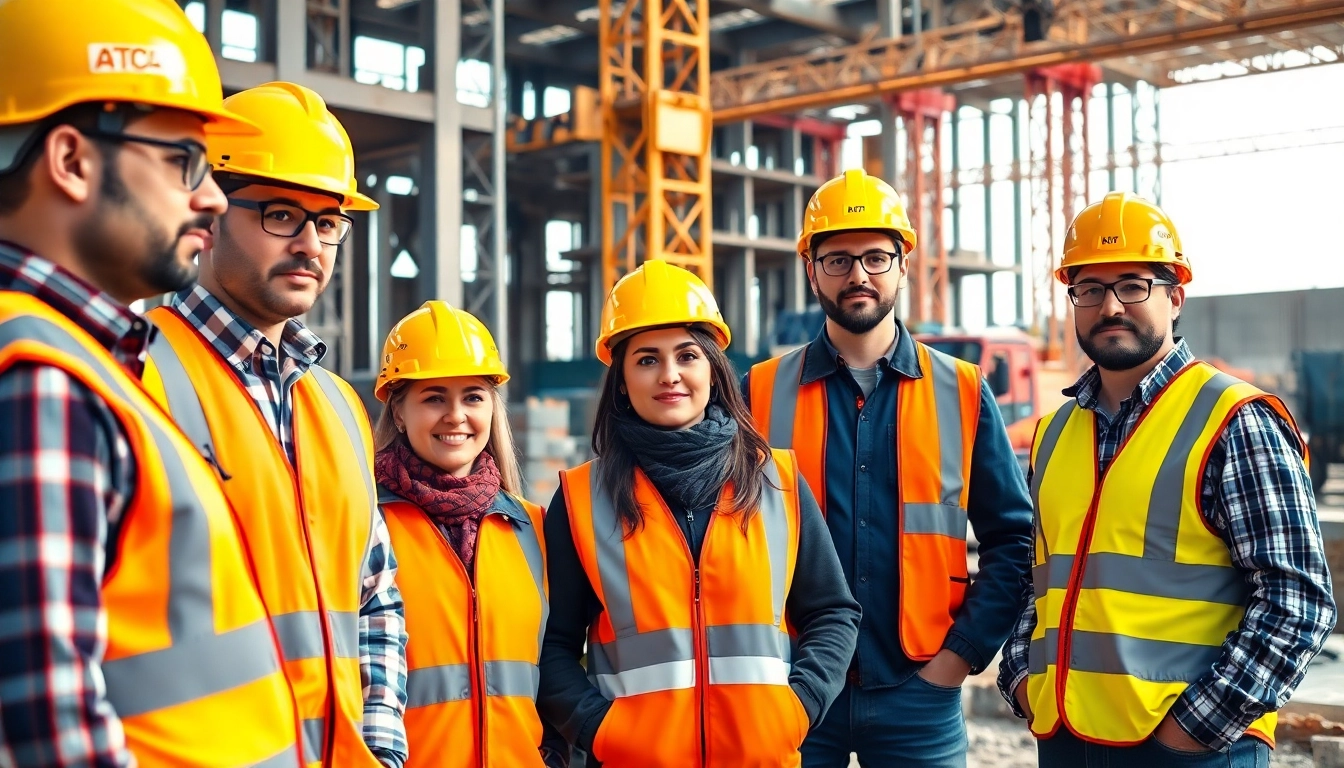
- Head Protection: Hard hats are essential to prevent head injuries from falling objects.
- Eye and Face Protection: Safety goggles and face shields shield against flying particles and hazardous substances.
- Ear Protection: Earplugs or earmuffs protect against harmful noise levels on job sites.
- Respiratory Protection: Masks and respirators safeguard against inhaling hazardous dust, fumes, or vapors.
- Foot Protection: Steel-toed boots reduce risks of foot injuries from heavy equipment or falling objects.
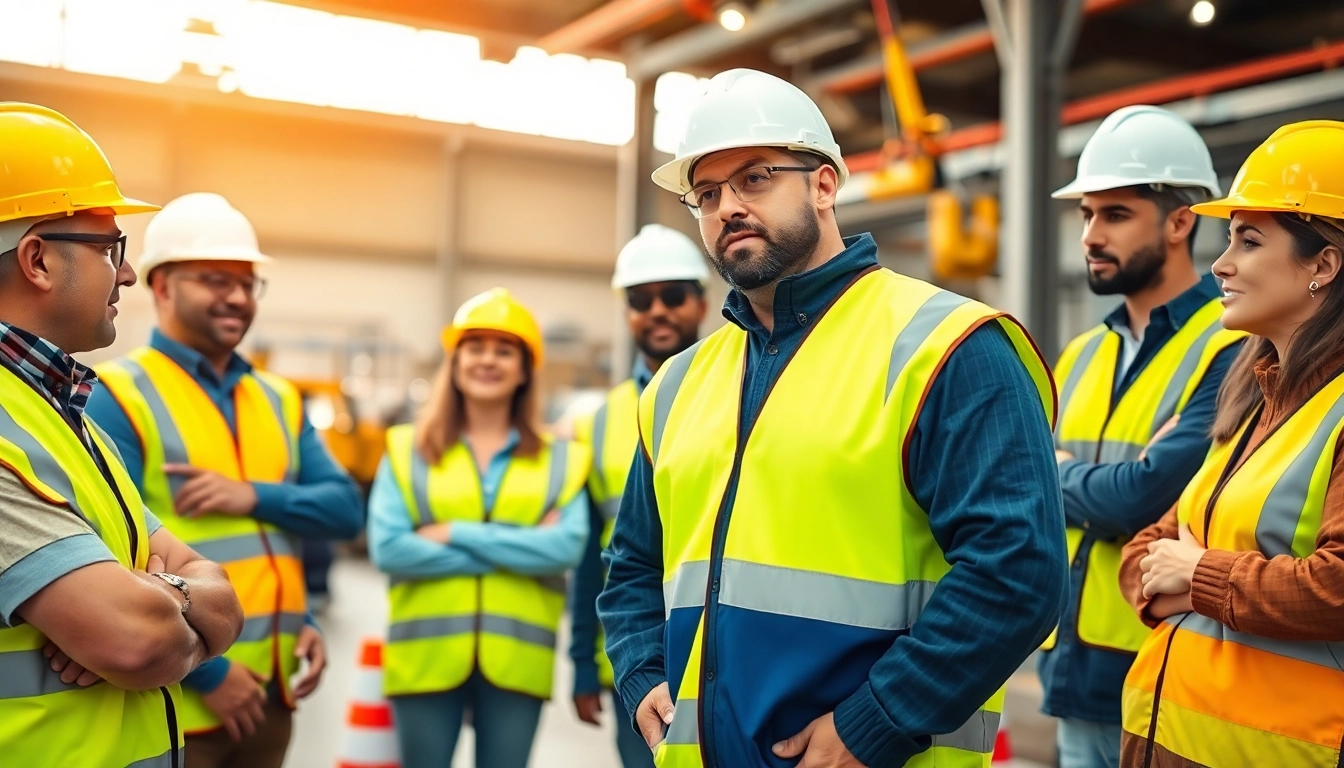
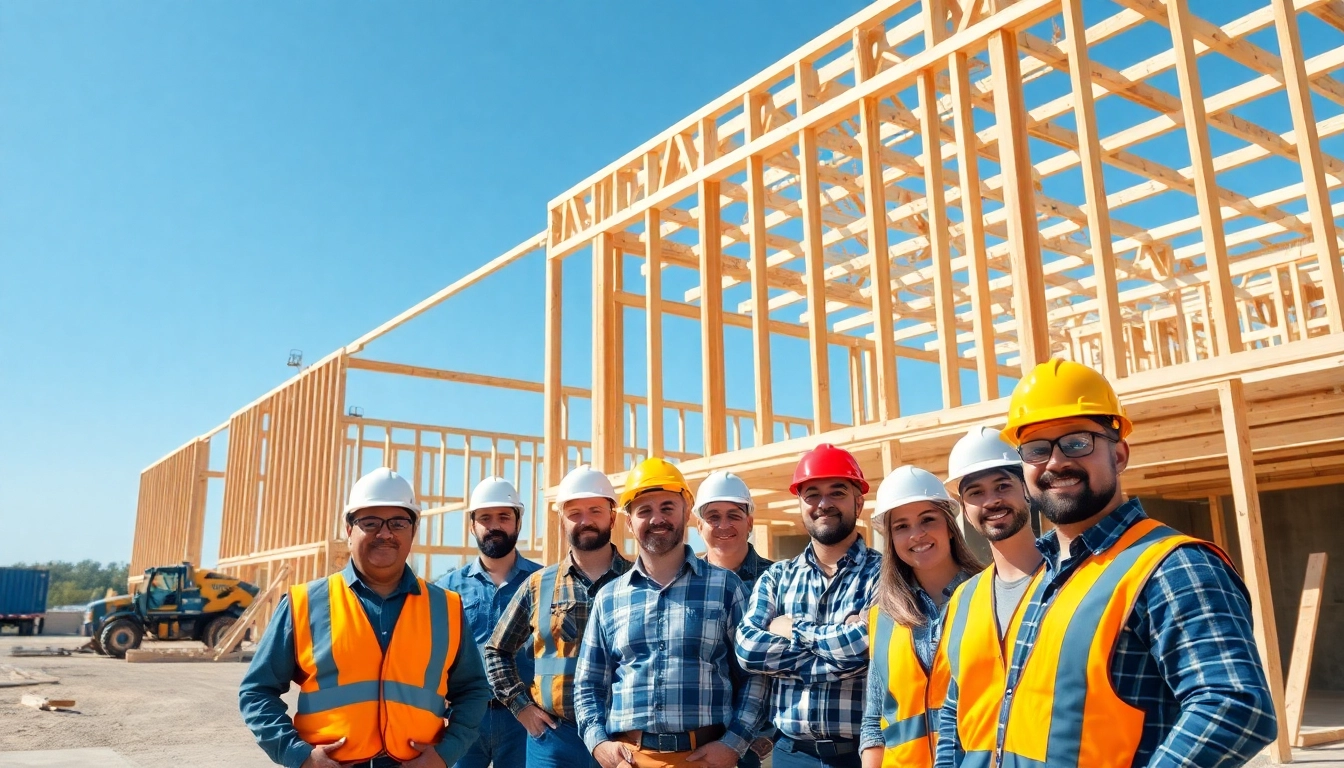
- High-Visibility Clothing: Day-glo vests or jackets ensure workers are easily seen, especially near heavy machinery.
Proper Use and Maintenance of PPE
Ensuring the proper use and maintenance of PPE is essential for maximizing its effectiveness. Workers should be trained on how to wear and utilize PPE correctly, including ensuring a proper fit. Regular inspections of equipment should be conducted to identify any signs of wear or damage that could compromise safety. Replacing or repairing worn or outdated PPE is crucial to maintaining a safe work environment. Additionally, implementing a cleaning schedule helps uphold hygiene and functionality.
Training Workers on PPE Importance
Training programs should emphasize the importance of PPE in protecting against workplace hazards. Workers must understand not only how to use PPE but why it is vital for their safety. Engaging training sessions that utilize visuals, demonstrations, and hands-on practice can improve retention and compliance. Moreover, conducting regular refreshers and updates on new safety protocols ensures continuous awareness and adherence among staff.
Implementing Safety Training Programs
Designing Effective Safety Training
To design effective safety training programs, a thorough understanding of the work environment and its specific hazards is essential. Training should be tailored to address the unique challenges and risks that workers may encounter. Interactive elements, such as case studies or simulations, engage workers and provide practical experience. Training programs should also comply with relevant regulations and frameworks, such as OSHA standards.
Evaluating Training Program Effectiveness
Evaluating the effectiveness of safety training programs is essential to ensure they meet their objectives. This can be achieved through assessments, feedback forms, and audits. Monitoring incident reports can also gauge the impact of training on reducing workplace accidents. Holding regular reviews of the training content helps maintain relevance and aligns with changing regulations or practices.
Continuous Safety Education for Staff
Safety education should not be a one-time event but an ongoing process. Continuous education, through periodic workshops or refresher courses, keeps safety at the forefront of workers' minds. Offering advanced training for specific roles or technologies can also help workers stay updated with industry practices. Integrating safety discussions into regular meetings fosters continuous engagement and emphasizes its significance in daily operations.
Safety Regulations and Compliance
Understanding OSHA Guidelines
The Occupational Safety and Health Administration (OSHA) provides a framework of regulations aimed at protecting workers in various industries, including construction. It is vital for employers and employees to familiarize themselves with these guidelines, including specific safety standards for construction. Regular training on OSHA regulations helps ensure compliance and fosters a culture of safety. Non-compliance can lead to severe penalties, and thus adherence is crucial for workplace safety.
Regular Safety Audits and Inspections
Conducting regular safety audits and inspections is a proactive approach to identify and mitigate hazards. These assessments should evaluate the effectiveness of existing safety protocols and identify areas for improvement. Involving workers in this process can yield valuable insights and foster a sense of ownership over safety practices. Documentation of findings and subsequent corrective actions provides a record that informs future audits.
Creating a Culture of Safety Compliance
Establishing a culture of safety compliance within the organization is key to sustaining workplace safety. This involves leadership demonstrating a commitment to safety through visible support and priority on safety concerns. Encouraging open communication about hazards, reporting practices, and recognition of safe behaviors contributes to reinforcing a safety-focused culture. Workers should feel empowered and responsible for their own safety and that of their colleagues.
Evaluating and Improving Safety Performance
Tracking Safety Incidents and Statistics
Tracking safety incidents and statistics is vital for evaluating the effectiveness of a construction site’s safety protocols. Employers should keep detailed records of incidents, including near misses, to identify trends or recurring issues. Analyzing this data helps inform risk assessments and adapt training or safety practices accordingly. Furthermore, sharing safety statistics with workers promotes transparency and awareness of the work environment.
Utilizing Feedback for Improvement
Feedback from employees regarding safety practices should be actively sought and considered. This may include suggestions for enhancing safety measures or insights into potential hazards. Implementing a feedback loop not only encourages employee involvement in safety but also can uncover areas for improvement that management may not identify. Regularly reviewing and addressing employee concerns fosters a safer work environment and reinforces a commitment to continuous improvement.
Innovative Technologies for Enhancing Site Safety
Emerging technologies offer innovative solutions to improve construction site safety. Tools such as drones and wearables can monitor sites for hazards, while augmented reality (AR) can assist in safety training. Additionally, integrating software systems for data collection and incident reporting enhances visibility into safety performance. Embracing these technologies can facilitate a safer construction environment, reduce risks, and ultimately save lives.
FAQs About Construction Site Safety
What is the primary goal of construction site safety?
The primary goal is to prevent accidents, injuries, and fatalities by implementing effective safety measures and protocols.
What are the most common types of PPE used on construction sites?
Commonly used PPE includes hard hats, safety goggles, gloves, steel-toed boots, and high-visibility clothing.
How often should safety training be conducted?
Safety training should be conducted regularly—ideally every few months or whenever new equipment or procedures are introduced.
What should be included in a safety audit?
A safety audit should evaluate compliance with regulations, assess the effectiveness of safety protocols, and identify potential hazards.
How can technology improve construction site safety?
Technology can enhance safety through monitoring tools, data analytics for incident reporting, and training solutions that utilize AR or VR.