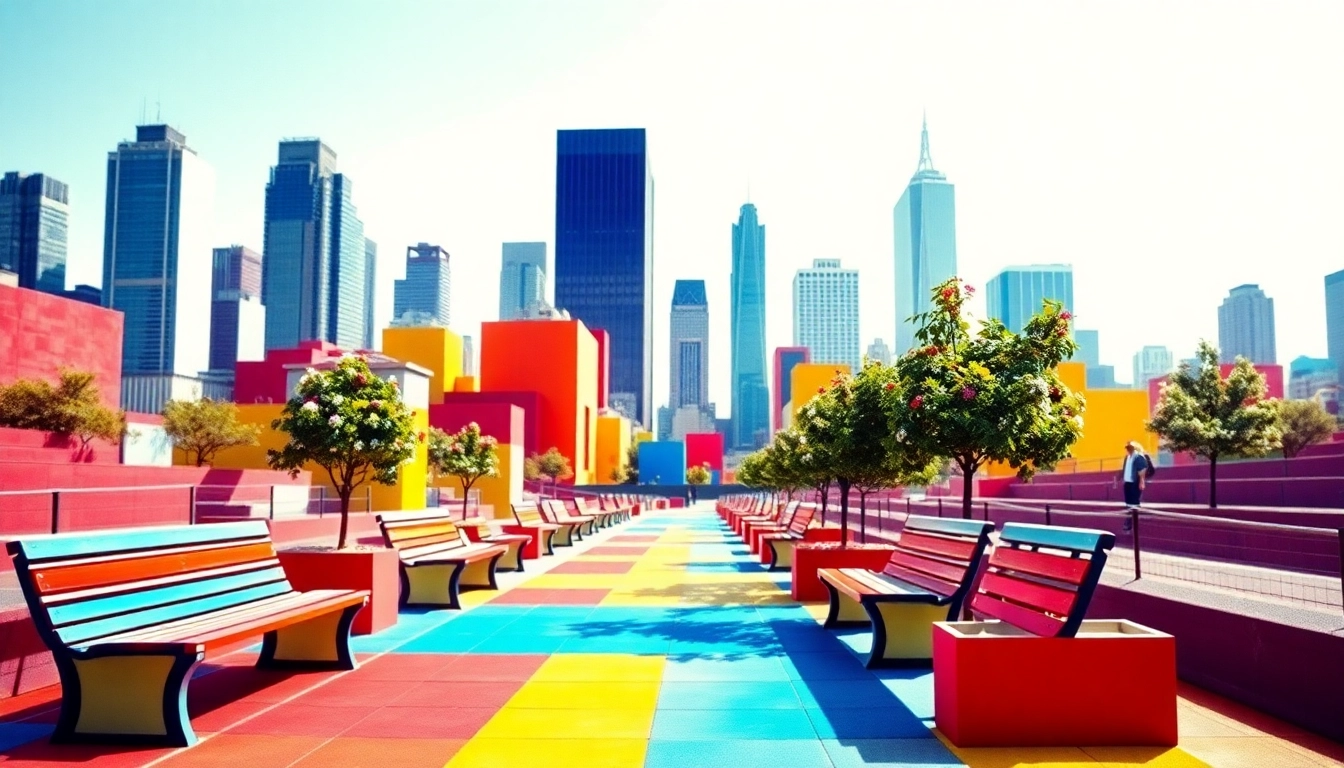
Understanding Pop Art Canvas
Pop art canvas represents a vibrant and dynamic genre that has captivated audiences and artists alike. This art form merges popular culture with creative expression, offering a kind of visual commentary through its iconic aesthetic. By utilizing everyday imagery and themes from consumerism, pop art has cemented its place in modern artistic discourse. The pop art canvas serves not only as a canvas for artists but as a reflection of societal values and trends.
What is Pop Art?
Pop art emerged in the mid-20th century as a response to the dominant traditional art movements. It is characterized by its use of imagery derived from popular culture, including advertisements, comic strips, and mass media. Artists like Andy Warhol and Roy Lichtenstein are widely credited with pioneering this movement, challenging the elitism often associated with fine art. Through their works, they blurred the lines between high culture and low culture, making art accessible to the general public.
Significance of Pop Art Canvas in Modern Culture
The significance of pop art canvas in contemporary culture cannot be overstated. This artistic style not only produces visually arresting works but also critiques and satirizes the consumerist society. Collectors and enthusiasts appreciate pop art as a form of social commentary that reflects the political and cultural landscape of its time. Furthermore, the integration of technology has propelled pop art canvas into new realms, such as digital art and NFTs, allowing for broader distribution and interaction with audiences.
Common Themes in Pop Art Canvas
Several themes recurrently emerge in the realm of pop art canvas:
- Consumerism: The exploration of consumer culture and materialism is prevalent. Artists often depict products, brands, and logos to challenge viewers’ perceptions.
- Celebrity Culture: The fascination with celebrities and public figures is another significant theme, illustrating society’s obsession with fame.
- Mediated Reality: Pop art reflects how media shapes our perception of reality, emphasizing the blurred lines between real and imaginary worlds.
- Politics and War: Many pop artists engage with socio-political subjects, using satire to highlight issues such as war and inequality.
Techniques for Creating Striking Pop Art Canvas
Color Choices and Their Impact
When creating pop art canvas, color plays a pivotal role. Bright, bold colors can evoke emotions and capture the viewer's attention. Artists often use unconventional color palettes to challenge traditional aesthetics, producing works that feel vibrant and alive. The strategic use of contrast can also enhance the visual impact, drawing attention to specific elements within the artwork. For instance, a vivid red against a stark white background can create a stunning focal point.
Utilizing Mixed Media in Pop Art Canvas
Mixed media techniques open up a realm of possibilities for artists working within the pop art canvas framework. By incorporating various materials—such as photographs, textiles, or even 3D objects—artists can transcend conventional painting techniques. This approach not only enriches the visual texture of the artwork but also adds layers of meaning. The fusion of different media can evoke a multi-sensory response and encourage viewer engagement with the piece.
Incorporating Geometric Shapes Effectively
Geometric shapes play an integral role in pop art canvas, lending structure and form to the artwork. Artists often employ these shapes to create dynamic compositions that capture movement and energy. The integration of geometric patterns can also serve as a backdrop for central images, enhancing the overall aesthetic. By juxtaposing organic forms with geometric shapes, artists can achieve a striking balance between chaos and order, inviting viewers to explore the artwork from multiple perspectives.
Showcasing Your Pop Art Canvas
Choosing the Right Display Environment
The display environment significantly influences how a pop art canvas is perceived. When deciding on a location, consider factors such as lighting, color schemes, and surrounding decor. A well-lit area can enhance the vibrancy of a pop art piece, while a contrasting backdrop can make its colors pop. Moreover, showcasing artwork in unconventional spaces, such as cafes or community centers, can help reach new audiences and encourage conversations about art.
Framing Options for Pop Art Canvas
Framing is often an overlooked yet vital aspect of displaying pop art canvas. The type of frame can either complement or detract from the artwork itself. Sleek, modern frames tend to enhance the boldness of pop art, while ornate frames may clash with its aesthetic. Consider floating frames or gallery-style displays which allow the piece to breathe and command attention without overwhelming it with excessive decor.
Marketing Your Artwork Online
In the age of digital media, marketing your pop art canvas online is crucial for reaching a broader audience. Utilize social media platforms—like Instagram, Pinterest, and TikTok—to showcase your work and connect with potential buyers. Building a personal brand around your artwork can foster a loyal following. Furthermore, consider creating a website or blog to share insights about your creative process, upcoming exhibitions, and available pieces.
Challenges in Creating Pop Art Canvas
Overcoming Creative Blocks
Creative blocks are a common hurdle for artists, regardless of their medium. To overcome these challenges, setting aside dedicated time for experimentation can help. Allowing yourself to play with ideas without the pressure of perfection often leads to unexpected breakthroughs. Taking breaks and seeking inspiration from varied sources—such as nature, music, or literature—can also reinvigorate your creative process.
Balancing Originality and Influence
In the realm of pop art, the balance between originality and influence can be delicate. While it's essential to remain true to your voice, acknowledging the influences of past artists can enrich your work. Incorporate elements that resonate with you personally while ensuring that your unique perspective shines through. This balance will not only pay homage to the origins of pop art but will also help carve your niche within the movement.
Critiques and Feedback in Artist Development
Receiving critiques can be daunting, yet it is an essential aspect of artistic growth. Constructive feedback from peers or mentors can provide valuable insights that enhance your work. Embrace critiques as opportunities for learning and development—rather than viewing them as negative assessments. Establishing a network of artists for mutual support and feedback can also foster a nurturing environment for creative evolution.
Success Stories and Inspirations in Pop Art Canvas
Notable Pop Art Canvas Artists
Studying the works of notable pop art artists can serve as powerful inspiration. Figures like Keith Haring, Roy Lichtenstein, and Andy Warhol have left a lasting legacy that continues to influence new generations. These artists not only pioneered innovative techniques but also tackled societal issues through their work, demonstrating the profound impact of pop art on cultural discourse.
Innovative Approaches in Contemporary Art
Contemporary artists are pushing the boundaries of traditional pop art by integrating new technologies and media into their practices. For instance, the use of digital collage, animation, and interactive installations allows for a dynamic exploration of themes relevant to today's society. Artists are also reflecting contemporary issues—such as climate change and social justice—through their work, thus ensuring that pop art remains relevant and thought-provoking.
How to Find Inspiration for Your Own Work
Finding inspiration for creating pop art canvas can come from various sources. Engaging with daily life—such as observing consumer culture, trends in fashion, or even street art—can spark ideas. Joining art communities, both online and offline, facilitates discussion and idea-sharing, offering diverse perspectives that can reignite your creative spark. Additionally, visiting gallery exhibitions and art fairs can expose you to new styles and techniques that may influence your own artistic journey.