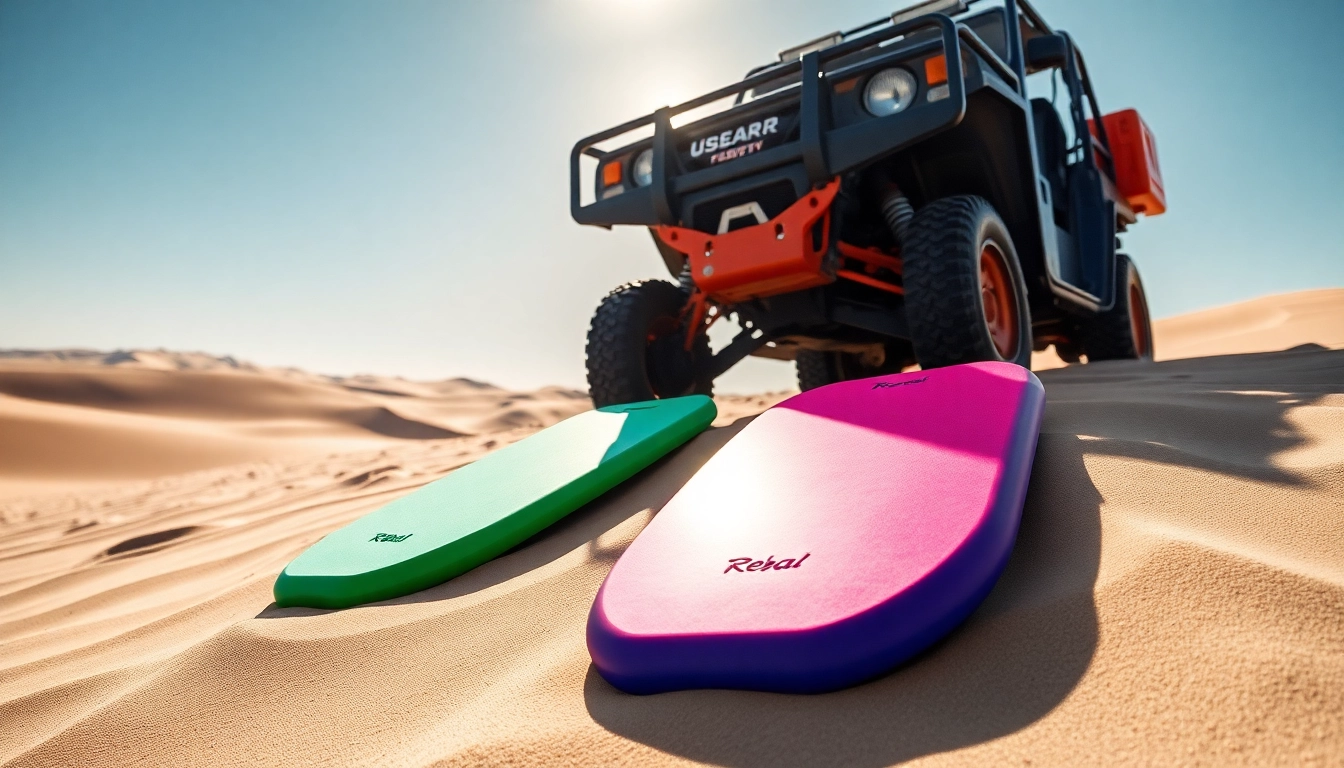
Understanding Recovery Boards
What Are Recovery Boards?
Recovery Boards are essential tools for off-road enthusiasts aimed at helping vehicles regain traction when stuck in challenging terrains like sand, mud, or snow. Designed with durability and function in mind, these boards serve as a temporary ramp, providing the necessary grip to extricate a vehicle. They are crafted from high-impact materials, which ensure longevity and effectiveness during recovery operations. For adventurers venturing into isolated areas, having a reliable set of Recovery Boards can be the difference between a successful outing and a frustrating day spent stuck.
Key Features of Recovery Boards
When selecting Recovery Boards, several features should be considered:
- Material Quality: Strong and resistant materials like polypropylene or rubber compounds provide superior durability against harsh conditions.
- Surface Design: Textured surfaces enhance grip for tires, effectively decreasing slippage during recovery.
- Length and Width: Sizing is critical, affecting stability and the effectiveness of the boards relative to the vehicle's size.
- Weight: Lightweight boards are easier to transport while still sturdy enough to withstand vehicle weight.
- Portability: Features like built-in handles or stacking capabilities allow for hassle-free storage and transport.
Types of Recovery Boards Available
Different recovery scenarios call for various types of Recovery Boards. Here are common types:
- Flat Recovery Boards: Ideal for soft terrains, providing a larger surface area for stability.
- Ramped Recovery Boards: Designed with an incline to assist vehicles with low ground clearance.
- Compact Boards: Smaller, lightweight models suitable for easy transport in limited vehicle space.
- Multi-functional Boards: Some boards double as shovels or tools, increasing their utility on off-road adventures.
The Importance of Recovery Boards in Off-Roading
Preventing Vehicle Damage
Using Recovery Boards can significantly reduce the risk of vehicle damage. When a vehicle becomes stuck, uncoordinated attempts to free it can lead to excessive wheel spin, damaging tires and undercarriage components. Recovery Boards mitigate this by providing a solid surface to drive onto, distributing weight evenly and allowing for a controlled escape.
Enhancing Safety on Adventures
Safety is paramount in off-roading. Recovery Boards enhance safety by minimizing risks associated with getting stranded or relying solely on recovery vehicles. In remote locations where assistance may be hours away, having Recovery Boards can prevent dangerous situations, such as overheating engines or navigating tricky terrains instinctively.
Choosing the Right Scenario for Use
Understanding when and how to use Recovery Boards is critical for effectiveness. Boards should be deployed in low-traction scenarios such as:
- Soft Sand: While driving on beaches, use boards to create traction before attempting to drive out.
- Deep Mud: Use boards to bridge the gap when tires sink into mud, allowing vehicles to regain movement.
- Snowy Conditions: In snowy conditions, Recovery Boards can provide the grip needed to navigate slippery paths.
How to Use Recovery Boards Effectively
Setup Techniques for Optimal Recovery
Proper setup is crucial for maximizing the effectiveness of Recovery Boards. Consider these steps:
- Clear the Area: Before deployment, the surrounding area should be cleared of debris to maximize traction.
- Positioning: Place boards at an angle towards the direction you want to travel, allowing tires to gently climb onto them.
- Acceleration Control: Apply gentle acceleration to avoid wheel spin and facilitate a smooth exit.
Best Practices When Stuck
A proper response when stuck increases recovery success. Follow these guidelines:
- Assess the Situation: Stop and understand how stuck the vehicle is before taking action.
- Check for Obstacles: Ensure there are no obstructions that could hinder Recovery Boards from being effective.
- Engage Traction Control: If your vehicle has traction-control features, engage them to aid in the recovery process.
Assessing Terrain Conditions
Understanding the type of terrain is essential for effective use of Recovery Boards. Different terrains behave uniquely:
- Hard Packed: Little traction, more straightforward recovery.
- Loose Dirt or Sand: Increased risk; Recovery Boards are essential for traction.
- Slippery Surfaces: Snow or mud requires the right use of Recovery Boards to avoid spinning tires.
Maintenance and Care for Recovery Boards
Cleaning and Storage Tips
To ensure longevity and optimal performance, proper maintenance of Recovery Boards is imperative:
- Wash Regularly: Clean boards after each use to remove dirt, mud, and debris that could affect traction.
- Store in a Cool, Dry Place: Prevent exposure to extreme temperatures and direct sunlight to avoid material degradation.
Signs of Wear and How to Replace
Keep an eye out for signs indicating that replacement is necessary, including:
- Cracks or Fraying: Check for visible damage that can affect performance.
- Deformation: Warped boards will not provide the needed stability and should be replaced.
Maximizing Lifespan
By following proper usage guidelines and storage practices, the lifespan of your Recovery Boards can be significantly increased. Utilize them solely as intended, avoid overloading them, and treat them responsibly to ensure they perform when needed.
FAQs About Recovery Boards
What materials are Recovery Boards made from?
Recovery Boards are typically made from durable plastics or composites that withstand harsh conditions. This ensures reliability and longevity during use.
Can Recovery Boards work in mud?
Yes, they can provide traction in mud, helping vehicles regain movement, but effectiveness may vary depending on the depth and consistency of the mud.
How do you store Recovery Boards?
Store them in a dry, shaded area to prevent fading and degradation from UV exposure. Proper storage can significantly extend their usability.
What size Recovery Boards do I need?
Choose boards based on your vehicle type and the kinds of terrains you frequently encounter. Consider the width and length for optimal performance.
Are Recovery Boards easy to use?
Yes, they are designed for quick, straightforward deployment when a vehicle is stuck, making recovery accessible to drivers of all skill levels.