Understanding Cape Cod Home Architecture
Characteristics of Cape Cod Homes
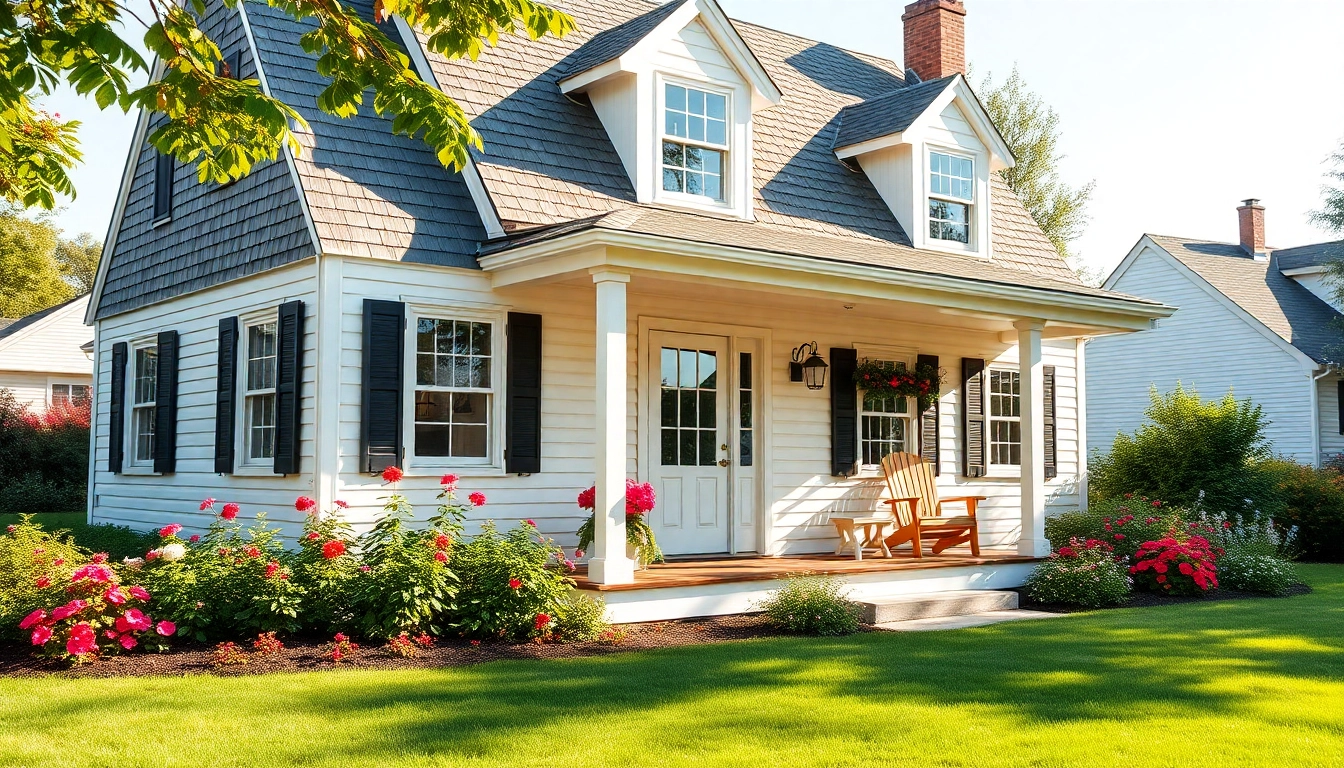
The cape cod home is recognized for its simple, symmetrical design that embodies both aesthetic beauty and functionality. These homes typically feature a steeply pitched roof, dormer windows, and a central chimney. The exteriors are often clad in wood siding, which contributes to the classic New England appeal. The homes are usually painted in muted colors, enhancing the natural materials used in construction.
Functionality is another hallmark of the Cape Cod style. The design seeks to maximize interior space while maintaining a close connection to the natural surroundings. This is often achieved through open floor plans, which allow for versatility in room usage, making these homes suitable for families, vacationers, and retirees alike.
The Historical Background of Cape Cod Homes
The origins of Cape Cod homes date back to the early 17th century when English settlers brought their building practices to New England. Inspired by their homes in England, the settlers constructed houses that could withstand harsh winters and coastal storms. The simplicity of the design not only met practical needs but also reflected the Puritan values of modesty and functionality.
Over the centuries, Cape Cod homes evolved but retained their original charm, becoming a staple in American architecture. The designs were largely influenced by local materials, availability of resources, and the need for efficient heating. Though modern adaptations have emerged, the essence of Cape Cod architecture continues to be appreciated for its classic lines and timeless appeal.
Popular Variations and Styles
While the traditional Cape Cod home is iconic, various adaptations have emerged over the years. Some popular variations include:
- Colonial Cape: Featuring more elaborate details such as larger dormers, these homes often incorporate colonial elements.
- Gambrel Cape: Distinguished by its barn-like roof, this style offers more space in the upper levels.
- Modern Cape: A contemporary twist on the classic style, modern Capes often utilize innovative materials and design concepts to enhance energy efficiency.
Each variation presents unique attributes while retaining the spirit of the Cape Cod style, allowing homeowners to choose based on personal preferences and lifestyle needs.
Planning Your Cape Cod Home Layout
Common Layout Designs
When planning the layout of a cape cod home, several classic designs can serve as a solid foundation. Traditional layouts typically feature two stories with a compact footprint. Key design elements include:
- Symmetrical Floor Plan: Balancing the spaces through mirrored regions creates a harmonious flow.
- Central Staircase: This is often positioned prominently, serving as the focal point upon entering.
- Defined Living Areas: Living rooms, kitchens, and dining areas are often separate but seamlessly connected.
Homeowners can customize these designs to embrace their specific needs while enhancing the overall character of the home.
Maximizing Space and Functionality
Efficient use of space is paramount in Cape Cod homes. Here are several strategies to enhance functionality without sacrificing style:
- Open Concept Living: Combining the kitchen and living areas can create an inviting environment that maximizes natural light.
- Multi-Functional Furniture: Incorporating furniture that serves dual purposes—such as a coffee table that opens into a storage space—adds both practicality and style.
- Smart Storage Solutions: Utilize built-in shelving and under-stair storage to keep living areas clutter-free.
These approaches not only improve usability but also maintain the character and aesthetic of the cape cod home.
Indoor-Outdoor Flow
A significant element of Cape Cod architecture is the connection between indoor and outdoor spaces. Several design techniques can promote this flow:
- Large Windows: Expanding windows and sliding glass doors allows for abundant light while connecting scenes of nature.
- Porches and Decks: Outdoor areas encourage relaxation and serve as transitional spaces between the indoors and outdoors.
- Landscaping Considerations: Thoughtfully placed plants, paths, and patios can create visual continuity between the home and garden.
This fluid transition enhances the home's functionality while embracing the serene beauty of the surrounding environment, which is a quintessential aspect of Cape Cod living.
Selecting Materials and Colors for Your Cape Cod Home
Best Exterior Materials for Durability
Choosing the right materials for your Cape Cod home is essential for ensuring durability and maintaining the signature style. Favorable materials include:
- Wood Siding: Classic and appealing, wood siding adds warmth and complements the coastal environment, especially when treated for weather resistance.
- Fiber Cement: This low-maintenance material mimics the look of wood but offers increased durability and resistance to rot.
- Metal Roofing: Increasingly popular for its longevity and ability to withstand severe weather conditions.
When selected wisely, these materials not only enhance the home’s longevity but also preserve its striking aesthetics.
Color Schemes that Reflect Cape Cod Charm
Color plays an integral role in establishing the character of a cape cod home. Traditional Cape Cod homes typically favor soft, muted tones that reflect the coastal environment. Recommended palettes might include:
- Nautical-inspired Blues: Deep navy and light sky blue evoke the sea and sky.
- Neutral Greys and Whites: These shades enhance the beauty of the natural surroundings while creating a clean, classic look.
- Warm Earth Tones: Colors reminiscent of sand, wood, and stone create a harmonious connection to nature.
Selecting a cohesive color scheme enhances curb appeal and fosters a sense of tranquility throughout the home.
Interior Design Elements and Themes
Inside, the design elements should reflect comfort and simplicity. Common themes in Cape Cod interiors include:
- Beach Cottage Vibe: Light fabrics, natural textures, and coastal-inspired accessories create a relaxed atmosphere.
- Classic New England Style: Incorporate traditional furniture with natural woods and classic patterns such as checked or striped fabrics.
- Minimalist Approach: Focusing on clean lines and uncluttered spaces allows the architecture itself to shine.
By ensuring the interior design blends seamlessly with the home’s architectural style, homeowners can achieve a cohesive and inviting atmosphere.
Landscaping Ideas for a Cape Cod Home
Creating a Welcoming Garden
The landscaping surrounding a cape cod home can enhance its beauty and appeal. Focus on native plant species that align with the coastal environment, offering low-maintenance options that thrive in sandy soils. Common garden styles include:
- Cottage Gardens: Utilize a mix of colorful wildflowers alongside perennials to provide a whimsical touch.
- Formal Gardens: Boxed hedges and neatly organized flower beds add structure and sophistication.
- Rock and Succulent Gardens: This drought-resistant approach is ideal for homeowners looking for sustainability and ease of care.
Creating lush green spaces around your home enhances the overall aesthetic while encouraging outdoor activities for families.
Outdoor Living Spaces and Features
Maximizing outdoor living opportunities can significantly enhance the enjoyment of a cape cod home. Key features to consider include:
- Patios and Decks: These spaces can be designed to accommodate dining, lounging, or entertaining.
- Fire Pits: Creating a cozy gathering area encourages evening relaxation and entertainment.
- Outdoor Kitchens: Incorporating a cooking space enhances the outdoor dining experience and adds functionality for entertaining.
Incorporating these elements provides additional living space while fostering a connection with nature.
Seasonal Maintenance Tips
Maintaining a Cape Cod home and its landscape ensures that both interior and exterior spaces remain inviting year-round. Helpful tips for seasonal upkeep include:
- Spring: Focus on cleaning gutters, inspecting the roof, and preparing garden beds for planting.
- Summer: Regularly maintain lawns and gardens while ensuring outdoor living features are ready for use.
- Fall: Perform landscaping clean-up, protect plants from frost, and ensure heating systems are functioning.
- Winter: Inspect insulation, clear snow from roofs, and prepare for potential winter storms.
With proactive maintenance, the home retains its beauty and integrity across every season.
Frequently Asked Questions About Cape Cod Homes
What is the typical size of a Cape Cod home?
Typically, a Cape Cod home ranges from 1,200 to 2,500 square feet, with two stories, making them suitable for various family sizes.
How can I modernize a traditional Cape Cod home?
Modernizing a Cape Cod home can be achieved through updated materials, open-concept layouts, and contemporary decor while respecting classic elements.
What makes Cape Cod homes energy-efficient?
Features like steep roofs for snow shedding, well-insulated walls, and efficient heating systems contribute to the energy efficiency of Cape Cod homes.
Are Cape Cod homes suitable for all climates?
While traditionally suited for coastal areas, modern adaptations of Cape Cod homes can effectively perform in various climates with proper insulation.
What are the maintenance requirements for a Cape Cod home?
Regular maintenance includes checking roofs, ensuring window seals are intact, and seasonal landscaping clean-ups to preserve the home’s condition.