Understanding Japanese Knotweed
What is Japanese Knotweed?
Japanese Knotweed (Fallopia japonica) is an invasive perennial plant that originated from East Asia. It is recognizable by its hollow stems, distinctive leaves shaped like heart, and dense clusters of small white flowers that bloom in late summer. The plant's rapid growth—sometimes reaching up to 10cm per day—allows it to outcompete native flora, leading to significant ecological imbalances. Not only does it thrive in various environmental conditions, but its extensive underground rhizome system makes it particularly challenging to eradicate.
Impact on Ecosystem
The presence of Japanese Knotweed can lead to the decline of local biodiversity. As it spreads, it often blankets native species, hindering their ability to access sunlight, moisture, and nutrients. This leads to a reduction in habitat for various wildlife, disrupting ecosystems. The plant’s thick stems can alter water flow in riparian areas, increasing water erosion and contributing to sedimentation. This ecological disruption has far-reaching consequences, including the potential loss of native plant species and the wildlife that depends on them.
Identifying Knotweed in Your Garden
Identifying Japanese Knotweed early is crucial for effective management. Look for its distinctive features during the growing season: large, green, heart-shaped leaves, which are often more than 10cm across, and bamboo-like stems that can reach heights of 3 meters. In spring, you may notice its red shoots emerging, which can resemble asparagus. Additionally, its flowering period in late summer produces clusters of cream-colored flowers. If you suspect you have knotweed, it's essential to act quickly to mitigate its spread.
Challenges in Japanese Knotweed Removal
Common Obstacles You May Face
Removing Japanese Knotweed can be fraught with challenges. One of the most significant obstacles is the plant's aggressive growth and resilience. Its extensive rhizome network can survive traditional removal methods, such as cutting. Additionally, the soil disturbances caused during removal can inadvertently spread cuttings. Homeowners must also consider the plant's ability to regrow if even a small fragment is left in the ground. Therefore, a comprehensive removal strategy is essential.
Legal Implications of Knotweed Removal
In many regions, the presence of Japanese Knotweed carries legal ramifications. Homeowners can be held liable if knotweed spreads to neighboring properties, potentially leading to costly legal disputes. In some areas, there are statutory obligations to manage and remove the plant responsibly. As such, understanding local regulations and seeking the guidance of professionals specializing in Japanese Knotweed Removal is crucial for compliance and effective management.
Health Considerations for Homeowners
While Japanese Knotweed itself is not considered toxic to humans or pets, its control methods may pose health risks. The use of chemical herbicides can lead to environmental contamination and potential health hazards if not applied correctly. Furthermore, the stress and urgency often associated with tackling this invasive species can affect homeowners' mental well-being. It's essential to prioritize safety and mental health during removal efforts.
Effective Methods for Japanese Knotweed Removal
Mechanical Removal Techniques
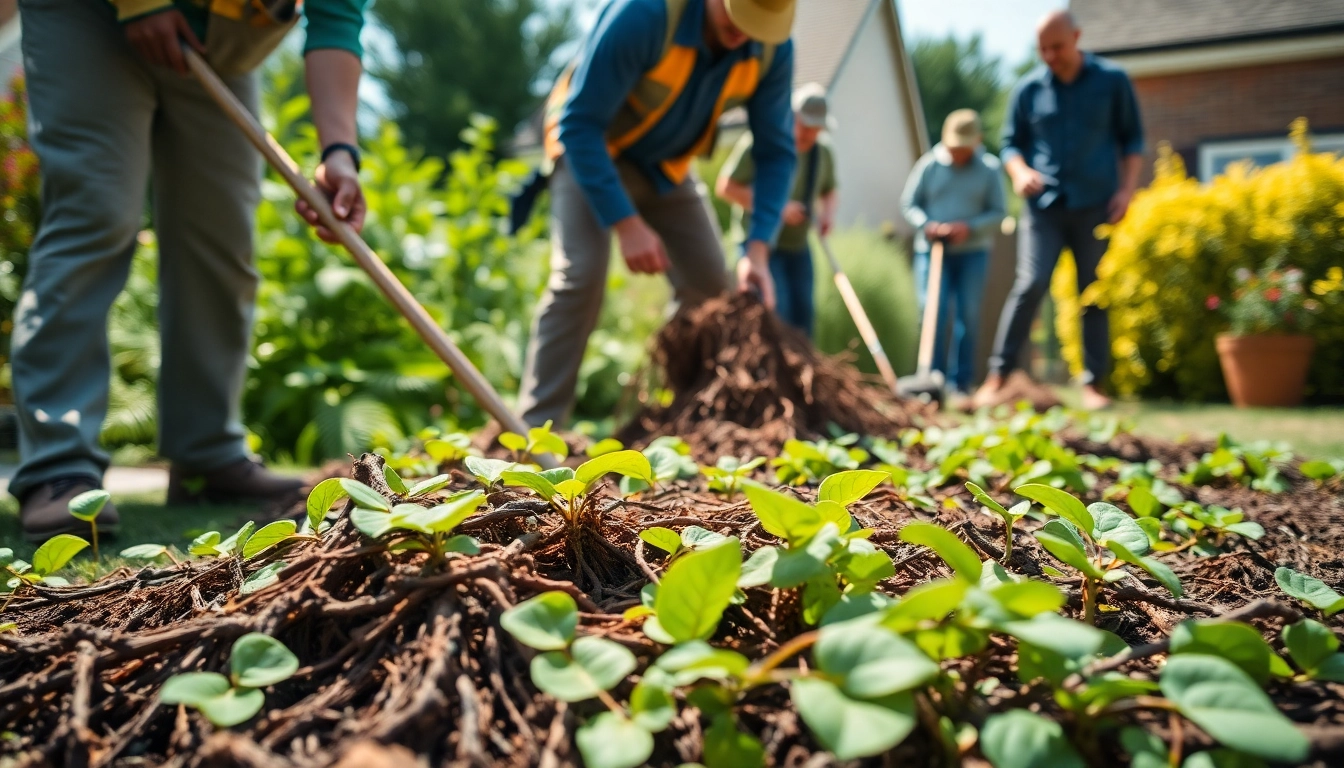
Mechanical methods for removing Japanese Knotweed include digging and excavating the plant. This involves using heavy machinery to remove the entire root system from the ground. It is crucial to ensure that no rhizomes are left behind to regrow. While effective, this method can be labor-intensive and costly. After mechanical removal, ongoing monitoring is necessary to prevent regrowth and address any new shoots that may emerge.
Chemical Treatment Options
Chemical treatments involve the application of specific herbicides designed to kill Japanese Knotweed while minimizing impact on surrounding vegetation. Glyphosate is one of the most commonly used herbicides for this purpose. Timing is critical when applying chemicals; treatments are most effective during the plant's active growth phase. Homeowners should follow safety guidelines meticulously and consider hiring professionals to apply these chemicals safely and effectively.
Natural Solutions for Knotweed Management
For those seeking an eco-friendlier approach, several natural solutions exist. These methods include using boiling water to scald the plant, applying vinegar as a natural herbicide, or introducing competitive native species to crowd out the knotweed. While these solutions may require more time to see results, they can be safer for the environment and beneficial for long-term sustainability. Both immediate and preventative methods should be assessed to craft a holistic management plan.
Post-Removal Care and Prevention
Restoring Your Garden After Removal
After successfully removing Japanese Knotweed, restoring your garden is vital. Begin by testing the soil to determine its nutrient levels and pH balance. Depending on the results, it may be necessary to amend the soil with organic matter to replenish lost nutrients. Planting resilient native species can help stabilize the ecosystem and prevent the reintroduction of invasive plants. Additionally, consider creating barriers if your garden is near unaffected areas.
Preventing Future Infestations
Preventing future infestations of Japanese Knotweed requires vigilance. Regular inspections of your property, especially after heavy rains or disturbances (like construction), can help catch any emerging plants early. Establishing a routine maintenance schedule that includes monitoring and managing other invasive species will provide further protection. Furthermore, educating yourself and your neighbors about knotweed is critical for community-wide prevention efforts.
Tools for Long-Term Success
Implementing specialized tools can enhance long-term management efforts. High-quality shovels and digging equipment are essential for mechanical removal. For chemical applications, a backpack sprayer can provide accurate and controlled herbicide delivery. Additionally, keeping a journal of monitoring efforts, treatments, and successes can help track progress and refine future strategies. Engaging in community talks or workshops on invasive plant management can also yield valuable insights.
FAQs About Japanese Knotweed Removal
How quickly can Japanese Knotweed be removed?
The speed of removal varies with methods used. Mechanical removal can be quick, while chemical treatments may take multiple applications over several months.
Is Japanese Knotweed dangerous to pets?
Japanese Knotweed is not toxic to pets, but the chemicals used in its removal could pose a risk. Keep pets away from treated areas until safe.
When is the best time for removal?
Late summer and early autumn are ideal times for effective removal, as the plant is actively growing and can absorb chemicals more efficiently.
Do I need a professional for removal?
While DIY methods are possible, hiring a professional experienced in Japanese Knotweed Removal can ensure effective and safe handling.
What happens if I don't remove it?
If left untreated, Japanese Knotweed can spread rapidly, damaging property, decreasing biodiversity, and leading to potential legal issues with neighbors.