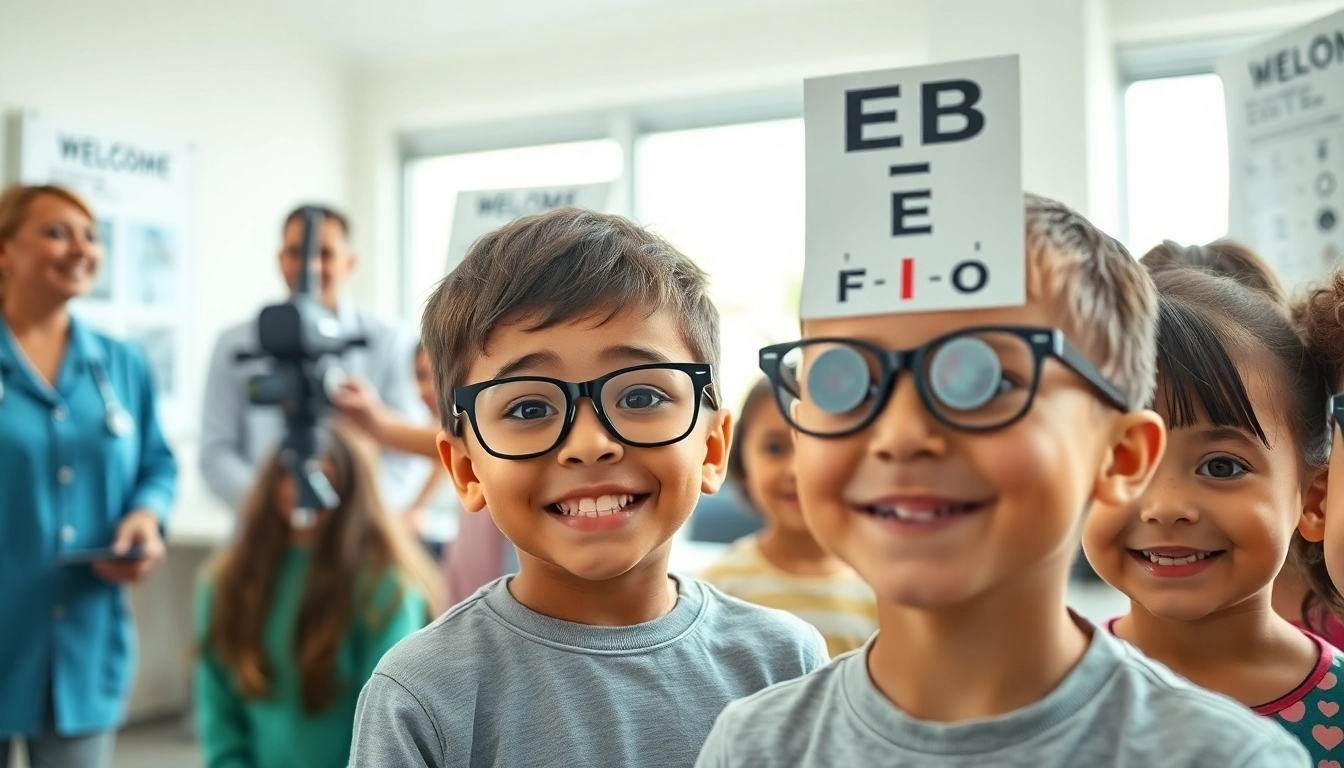
Understanding Our Children's Vision: An Overview
In the landscape of childhood development, vision is a fundamental component that often goes overlooked. A child's vision impacts not only their ability to see clearly but also their academic performance, social interactions, and overall well-being. Understanding the intricacies of Our Children's Vision can empower parents and caregivers to take proactive steps in ensuring optimal eye health from an early age. This article dives deep into the importance of eye care, common vision problems, and best practices to maintain healthy eyes for children.
The Importance of Early Eye Care
Early eye care is crucial as it lays the foundation for a child’s future vision and learning capabilities. Studies indicate that up to 80% of what a child learns is through vision, making it imperative to catch any issues early.Regular eye exams can detect conditions such as amblyopia (lazy eye) and strabismus (crossed eyes), which can hinder a child’s academic and social development. Starting eye care at a young age—typically around six months, age three, and again before first grade—ensures that potential vision problems are addressed promptly.
Common Vision Problems in Children
Several vision problems can affect children, and recognizing them is essential in facilitating timely intervention. Some common issues include:
- Myopia (Nearsightedness): Children with myopia can see close objects clearly but struggle with distance vision. Symptoms include squinting or sitting too close to screens and books.
- Hyperopia (Farsightedness): This condition causes difficulty seeing nearby objects and can lead to strain or headaches during reading.
- Astigmatism: A refractive error that results in distorted or blurry vision for both near and far objects.
- Strabismus: This is characterized by misalignment of the eyes, leading to issues with depth perception and double vision.
- Amblyopia: Often referred to as "lazy eye," amblyopia occurs when one eye does not develop proper vision, hindering its ability to communicate with the brain.
Signs Your Child Needs an Eye Exam
As a parent, being attentive to your child's behavior can help you identify when it's time for an eye exam. Look for these signs:
- Frequent squinting or tilting of the head while trying to see
- Complaints of headaches or eye strain
- Difficulty reading the board in school or holding books unusually close
- Frequent eye rubbing or watery eyes
- Behavioral issues relating to vision, such as avoiding reading or other close tasks
Best Practices for Maintaining Healthy Eyes
Daily Habits to Promote Eye Health
Creating daily habits that prioritize eye health can greatly benefit children's vision. Encourage the following practices:
- Regular Eye Breaks: Teach children the 20-20-20 rule, which recommends that every 20 minutes of screen time, they look at something 20 feet away for at least 20 seconds.
- Proper Lighting: Ensure that children are reading or engaging in close tasks in well-lit areas to reduce eye strain.
- Limit Screen Time: Set clear guidelines for recreational screen time and ensure it does not interfere with playtime or outdoor activities.
- Protective Eyewear: If participating in sports or activities where eye injuries are possible, ensure that children wear appropriate protective eyewear.
Nutrition and Its Impact on Vision
A well-balanced diet plays a vital role in maintaining optimal eye health. Nutrients particularly beneficial for vision include:
- Vitamin A: Essential for good vision, sources include carrots, sweet potatoes, and spinach.
- Omega-3 Fatty Acids: Found in fish like salmon, these are crucial for visual development and health.
- Vitamin C and E: Antioxidants that protect the eyes from oxidative stress; citrus fruits and nuts are excellent sources.
- Zinc: Supports overall eye health; opt for legumes, nuts, and whole grains to increase intake.
Screen Time Guidelines for Children
In today's digital age, managing screen time is vital for preserving eye health. Recommendations vary by age:
- Under 2 Years: Limit screen time to video chatting only.
- Age 2-5: No more than one hour of high-quality programming each day.
- Age 6 and Up: Balance screen time with other activities; set consistent, clear limits.
Choosing the Right Eye Care Provider
What to Look for in an Optometrist
Selecting the right optometrist for your child is essential. Consider the following factors:
- Experience with Pediatric Patients: Ensure that the provider has experience specifically with children to cater to their unique needs.
- Approachability: The optometrist should make children feel comfortable and at ease during visits.
- Availability of Services: Look for providers who can conduct comprehensive eye exams and address potential vision concerns.
The Role of Eye Specialists in Children's Vision
Eye specialists, such as pediatric ophthalmologists, closely monitor and treat more complex eye conditions. Their role is vital in:
- Diagnosing and treating serious eye diseases: Conditions like cataracts or retinopathy require specialized care.
- Providing surgical interventions: In cases where surgery may be necessary.
- Ongoing monitoring: They work with families to manage chronic eye issues effectively.
Making Eye Visits Less Stressful for Kids
Children can feel anxious about eye exams, but there are strategies to ease their fears. Here’s how to help:
- Prepare Them: Talk through what will happen during the eye exam to demystify the process.
- Make It Fun: Use games such as eye charts or stories about superheroes who wear glasses.
- Involve Them: Let kids choose their frames if glasses are prescribed, empowering them to take charge of their vision care.
Resources for Parents: Tools and Support
Educational Materials on Eye Health
Accessing educational resources can greatly enhance understanding and management of child eye health. Parents can find:
- Informational Websites: Websites dedicated to eye health can offer valuable insights and recent research findings.
- Books & Guides: Many books are available that provide visually engaging ways to teach kids about eye health.
Community Programs for Vision Checks
Many communities offer free or low-cost vision screening programs, particularly for low-income families. These programs can provide:
- Routine Screenings: To catch any potential issues early in a comfortable environment.
- Access to Treatment: Resources are often available for children who need glasses or further eye care.
Online Resources and Support Groups
The internet can be a treasure trove of support and resources. Parents can explore:
- Online Support Groups: Communities where parents share experiences and provide emotional support.
- Forums & Blogs: Many platforms offer advice from pediatric eye professionals and experienced parents.
Advancements in Children's Vision Care
Innovative Treatments for Common Eye Conditions
Recent advancements in pediatric eye care have introduced several innovative treatments. Some notable examples include:
- Orthokeratology: A non-surgical method that uses specially designed contact lenses to reshape the cornea, effective for managing myopia.
- Atropine Eye Drops: Used to slow the progression of myopia in children significantly.
- Electronic glasses: Technological advancements have granted children with visual impairments new tools to enhance their sight.
Technological Advances in Eye Exams
Advancements in technology have made eye exams more efficient and effective. These include:
- Autorefractors: Automated machines that provide a quick estimate of prescription needs.
- 3D Imaging: Technology that allows for detailed visualizations of the eye, improving diagnosis accuracy.
Future Trends in Pediatric Eye Care
As research continues, future trends in pediatric eye care are likely to include:
- Personalized medicine: Tailoring treatments to individual genetic profiles.
- Telemedicine: Providing remote consultations and follow-ups to enhance access to eye care.
- Increased focus on preventive care: Educational initiatives aimed at promoting overall eye health from a young age.