Understanding Land Irrigation
Definition and Importance
Land irrigation refers to the artificial application of water to soil for the purpose of aiding in the growth of agricultural crops and vegetation. This practice is vital for ensuring the sustained productivity of soils, especially in areas prone to drought or irregular rainfall. Adequate irrigation can significantly enhance crop yields, making it an essential component of modern agriculture. As the global population rises and climate variability becomes more pronounced, effective land irrigation techniques are increasingly important in guaranteeing food security and optimizing water resource management.
Types of Land Irrigation
Various methods of land irrigation exist, each suited for different geographical, agricultural, and economic conditions. The primary types include:
- Surface Irrigation: Water is distributed over the soil surface by gravity. Common methods include furrow, basin, and flood irrigation.
- Drip Irrigation: A highly efficient method where water drips directly to the base of the plant, minimizing waste and evaporation.
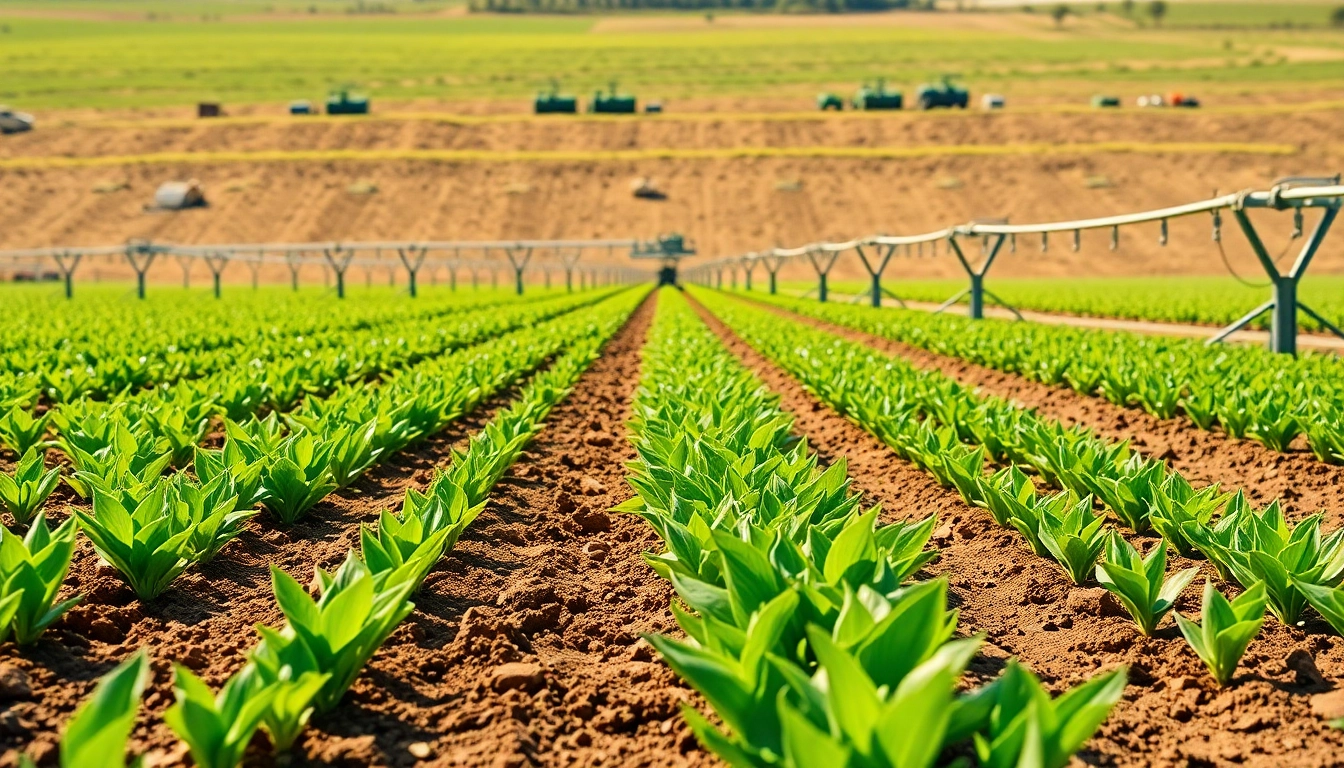
- Sprinkler Irrigation: Water is sprayed onto crops through a system of pipes and nozzles, simulating rainfall.
- Subsurface Irrigation: Water is delivered below the soil surface, reducing evaporation and weed growth.
- Localized Irrigation: A method that irrigates specific areas of a field, often used for high-value crops.
Historical Context of Land Irrigation
The history of land irrigation can be traced back thousands of years to ancient civilizations that recognized the need to control water for agriculture. Early systems in Mesopotamia utilized canals, while the Egyptians mastered the art of basin irrigation along the Nile River. Over centuries, irrigation practices evolved, incorporating new technologies like pumps and sprinklers. Today, we witness a blend of traditional and modern techniques, reflecting a broader commitment to sustainability and efficiency in water management.
Choosing the Right Land Irrigation System
Factors to Consider
Selecting the appropriate land irrigation system requires careful consideration of multiple factors including:
- Soil Type: Sandy soils drain quickly and may require frequent watering, while clay soils retain moisture longer.
- Crop Requirements: Different crops have varying water needs which influence the choice of irrigation method.
- Topography: The terrain of the land can affect water distribution and the feasibility of certain irrigation systems.
- Water Availability: Assessing the reliability of water sources is crucial in selecting a system that matches water supply.
- Cost Efficiency: Consider both initial setup costs and long-term operational expenses when evaluating systems.
Cost-Benefit Analysis
When investing in an irrigation system, conducting a thorough cost-benefit analysis is essential. This involves not only the upfront costs of purchasing and installing equipment but also maintenance, labor, and potential financing options. Additionally, consider the projected increase in crop yield and quality that may result from improved irrigation. A well-executed analysis can lead to long-term sustainability and profitability, offering clear insights into the return on investment from the irrigation system.
Maintenance Requirements
All irrigation systems require regular maintenance to function optimally. This can involve checking for leaks in pipes, ensuring filters are clear, and calibrating systems for even water distribution. Preventive maintenance can help avoid costly repairs and downtime, making it critical for maximizing the efficiency and lifespan of the system. Additionally, training farm personnel in proper operation and care of the irrigation system can significantly enhance its effectiveness.
Best Practices for Implementing Land Irrigation
Soil Preparation Techniques
Effective soil preparation is fundamental to successful irrigation. Techniques include:
- Soil Testing: Conducting soil tests to determine nutrient levels and pH can inform appropriate amendments.
- Tilling: Proper tillage improves soil structure and moisture retention.
- Mulching: Applying organic or synthetic mulch can reduce evaporation and control weeds.
- Contour Farming: Implementing contour planting can minimize soil erosion and enhance water retention.
Water Management Strategies
Efficient water management strategies are crucial for effective irrigation. Best practices include:
- Scheduling: Implementing a schedule based on weather conditions and plant needs can optimize water usage.
- Monitoring Soil Moisture: Utilizing soil moisture sensors can help determine the right time to irrigate.
- Water Recycling: Employing techniques to recycle wastewater can enhance water availability.
- Utilizing Smart Technology: Integrating smart irrigation systems that adjust based on real-time weather data can lead to significant water savings.
Customized Irrigation Plans
Creating a customized irrigation plan that factors in the specific needs of the crops, local climate, and available water resources is essential for maximizing agricultural performance. This plan should include tailored watering schedules, adjustments for seasonal changes, and contingency plans for drought conditions. Tailoring the system to the unique attributes of the farm not only conserves water but also promotes healthy crop development.
Common Challenges in Land Irrigation
Water Scarcity Issues
Water scarcity is an increasing concern for agricultural practitioners worldwide. Factors such as climate change, over-extraction of groundwater, and pollution negatively impact water availability. Strategies to address these issues include implementing water-saving technologies, increasing surface water storage, and advocating for local water management policies. Sustainable water practices are key to adapting to decreasing water resources while continuing to support agricultural needs.
Pest and Disease Management
Managing pests and diseases is a frequent challenge faced in irrigated agricultural systems. Overhead watering can lead to excess leaf wetness, promoting diseases. Integrated Pest Management (IPM) techniques, which combine biological, cultural, mechanical, and chemical strategies, can help mitigate these risks. Regularly monitoring crop health and implementing predictive modeling can also play a key role in preemptive pest and disease management.
Infrastructure Limitations
Infrastructure limitations—such as outdated systems or inadequate water delivery networks—can severely hinder effective land irrigation efforts. Improvements in infrastructure require collaboration between farmers, local governments, and private entities to invest in modern systems that enhance water delivery and management. This cooperation can facilitate advancements in irrigation technology and more equitable access to water resources.
Future Trends in Land Irrigation
Technological Innovations
The integration of technology continues to shape the future of land irrigation. Innovations such as automated irrigation systems, remote sensing for soil moisture, and drones for field analysis are becoming increasingly prevalent. These technologies help optimize water usage, reduce wastage, and improve crop health. Continual investment in research and development is essential to further advance these technologies, making irrigation more efficient and sustainable.
Sustainable Practices
As sustainability becomes a focal point for agriculture, numerous best practices are emerging. These include rainwater harvesting, implementing cover crops to improve soil health, and using organic fertilizers to minimize chemical runoff. Farmers are encouraged to adopt practices that enhance biodiversity and contribute to ecological balance, which in turn supports resilient agricultural systems capable of withstanding climate-related challenges.
Policy Impacts on Land Irrigation
Policy frameworks play a critical role in shaping land irrigation practices. Effective water management policies are required to balance agricultural needs with natural water resource conservation. Governments are increasingly focused on incentivizing sustainable practices through grants and subsidies, as well as implementing regulations that promote responsible water use. Engaging stakeholders in policy discussions is vital to creating effective and equitable solutions for irrigation challenges.
Frequently Asked Questions
What is land irrigation?
Land irrigation is the artificial application of water to soil to assist in growing crops and vegetation.
What are the main types of irrigation?
The main types of irrigation include surface, drip, sprinkler, subsurface, and localized irrigation methods.
How do I choose the right irrigation system?
Consider factors like soil type, crop requirements, topography, water availability, and cost when choosing an irrigation system.
What are challenges associated with land irrigation?
Common challenges include water scarcity, pest management, and infrastructure limitations which can impact irrigation efficiency.
What future trends are shaping land irrigation?
Future trends include technological innovations, sustainable practices, and policy impacts that influence irrigation methods.