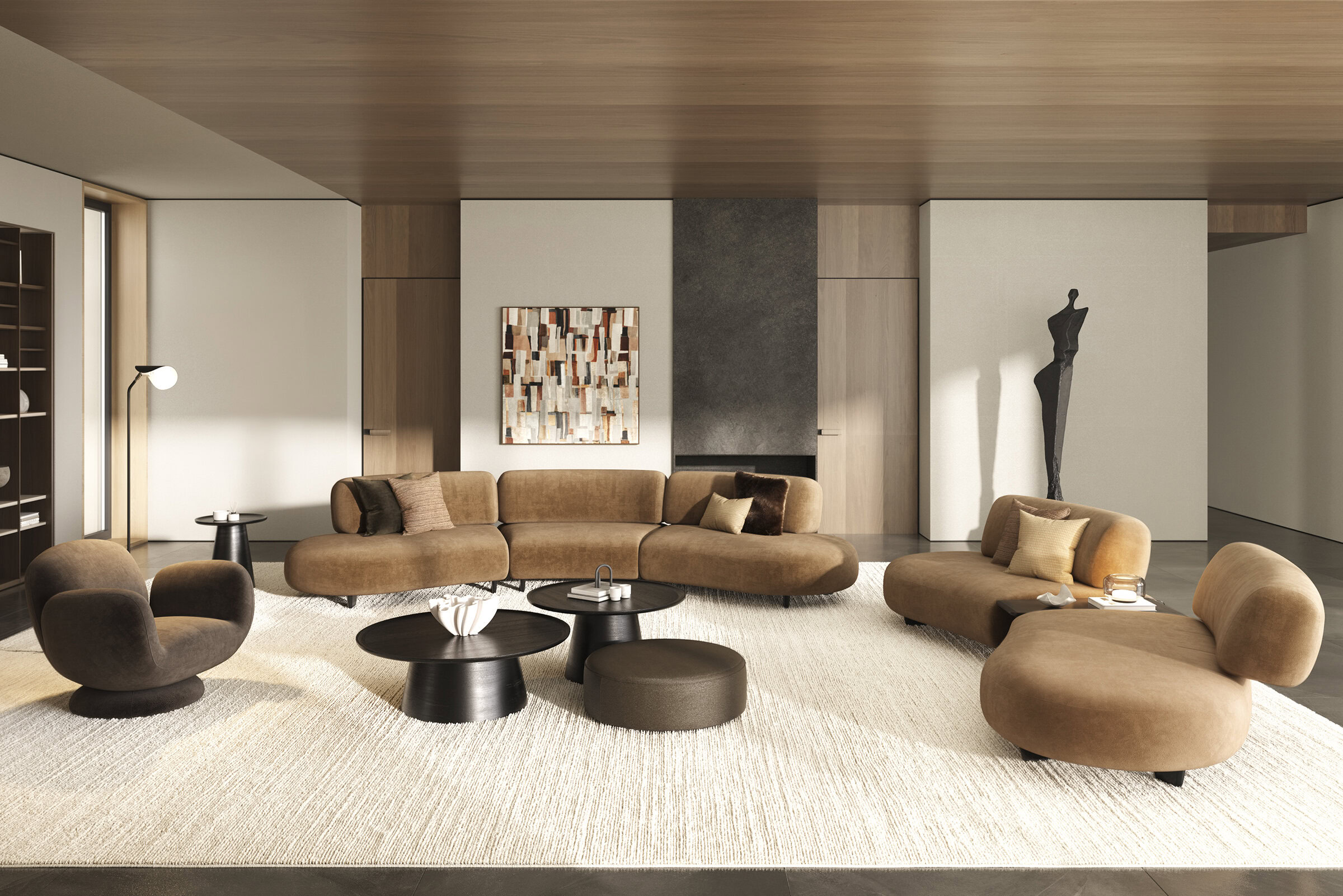
Understanding Contemporary Furniture
When it comes to designing or redecorating your home, the choice of furniture can significantly impact not only the aesthetics but also the functionality of your space. One design style that continues to capture the attention of homeowners and designers alike is contemporary furniture. This category embodies a unique blend of innovative design and practical utility, making it a preferred choice for modern living. Let us delve deeper into the essence of contemporary furniture, its key characteristics, styles, and why it might be the right fit for your next interior project.
The Essence of Contemporary Furniture
Contemporary furniture is often defined as the design style that reflects current trends and ideas. It is not tied to a specific historical movement but continually evolves to incorporate new themes and technologies. This furniture genre embodies a forward-thinking ethos while retaining a timeless appeal that transcends fleeting fads. Characterized by clean lines, minimalistic design, and functionality, contemporary furniture is perfect for both urban and suburban environments, merging comfort with sophistication.
Key Characteristics and Styles
The key characteristics of contemporary furniture often include:
- Minimalism: The design emphasizes simplicity, removing all unnecessary elements to create a clean and uncluttered look.
- Innovative Materials: The use of new technology and materials, including engineered woods, metals, and composites, is a hallmark of contemporary design.
- Neutral Color Palettes: While vibrant colors are sometimes included, the base palette often consists of whites, grays, and earthy tones.
- Functional Design: Every piece is designed with purpose, focusing on usability and practicality in everyday settings.
In terms of style, contemporary furniture draws influences from various movements, including modernism, mid-century styles, and Scandinavian design, creating a diverse yet cohesive aesthetic. These influences blend seamlessly with current architectural trends, ensuring that contemporary furniture remains relevant and sought after.
Benefits of Choosing Contemporary Furniture
Deciding to furnish your home with contemporary furniture comes with numerous advantages:
- Versatility: The minimalist design of contemporary furniture allows it to fit seamlessly into various decors, from new builds to traditional spaces.
- Timelessness: While contemporary furniture reflects current trends, it is also designed to withstand the test of time, making it a smart investment for your home.
- Ease of Maintenance: Often made from materials that are easy to clean, contemporary furniture is as functional as beautiful.
- Customization: Many pieces offer customization options, allowing you to create a unique look tailored to your personal style.
Popular Trends in Contemporary Furniture
Sustainable Materials and Designs
Today's consumers are increasingly aware of their environmental impact, and this consciousness significantly influences contemporary furniture design. Sustainable materials like reclaimed wood, bamboo, and recycled plastics are becoming prevalent. Designers focus on creating furniture that is not only visually appealing but also eco-friendly, incorporating production practices that minimize waste and environmental harm. Sustainable design is not just a trend; it's a responsibility that reflects a commitment to the planet.
Color Schemes and Textures
In the realm of color, contemporary furniture often embraces a subdued palette punctuated by bold accents. Soft neutrals such as beige, gray, and white create a soothing backdrop, while strategically placed bright colors bring life and personality into the space. Textures also play a crucial role in creating depth; combining materials such as leather, metal, fabric, and wood can yield a dynamic and visually appealing environment. This layering of elements enriches the overall aesthetic, balancing sophistication and warmth.
Functional and Space-Saving Solutions
As living spaces become increasingly compact, the demand for functional and space-efficient furniture grows. Contemporary designs are responding to this need by featuring multifunctional pieces, such as sofas that convert into beds or coffee tables with built-in storage. These clever designs not only maximize limited space but also enhance the overall flow of your home, allowing you to maintain style without sacrificing convenience.
How to Integrate Contemporary Furniture in Your Home
Designing a Cohesive Aesthetic
Integrating contemporary furniture into your space requires a thoughtful approach to design. Aim to create a cohesive aesthetic by selecting pieces that align with the overall theme of your home. Start with a unified color scheme, then choose furniture that complements existing décor while introducing contemporary elements. Consider your layout, ensuring that furniture placements promote ease of movement and interaction within the room.
Mixing Styles for Personal Touch
While contemporary furniture shines on its own, mixing it with other design styles can yield exciting results. The juxtaposition of contemporary and traditional or rustic pieces adds character and personality to your home. For example, pairing a sleek modern sofa with an antique coffee table can create a striking visual contrast. Selecting a few key pieces to experiment with can cultivate a unique ambiance that reflects your individual taste.
Finding the Right Furniture Pieces
Choosing the right contemporary furniture can be overwhelming, given the plethora of options available. Start by assessing your needs and defining your style. Consider the function of each room, and prioritize quality over quantity. It's beneficial to invest in fewer high-quality pieces that will last, rather than cheap items that may need frequent replacements. Don't hesitate to bring fabric swatches and color samples home to see how they work within your space before making a purchase.
Maintaining and Caring for Contemporary Furniture
Cleaning and Maintenance Tips
Caring for your contemporary furniture properly can significantly extend its life and maintain its visual appeal. Regular cleaning routines should include dusting surfaces and vacuuming fabric upholstery. For materials like leather and wood, use specialized cleaners to avoid damage. Pay attention to spills—prompt cleaning is crucial to prevent staining. Additionally, be sure to follow specific care instructions provided by the manufacturer to ensure longevity.
Restoration and Repair Advice
Even the highest quality contemporary furniture may require repairs over time due to normal wear and tear. Small scratches on wood surfaces can often be concealed with touch-up markers or waxes. Upholstered pieces may need reupholstering after extensive use, and professional services can restore them to like-new condition. Taking proactive care can prevent larger issues and preserve your furniture's value.
Maximizing Longevity and Value
To maximize both the longevity and value of your contemporary furniture, choose pieces designed with durability in mind. Look for high-quality materials and construction methods that offer strength and stability. Implement rotating and repositioning strategies, allowing different areas of furniture to bear weight equally. Regular care, including polishing surfaces and keeping fabric clean, will further enhance your investment for years to come.
FAQs About Contemporary Furniture
What is contemporary furniture?
Contemporary furniture reflects current design trends, characterized by clean lines, minimalism, and functionality that evolves with time, combining aesthetics with practicality.
How do I choose contemporary furniture for my space?
Assess your style, determine each room's function, select a unified color scheme, and prioritize high-quality pieces that align with your aesthetic and space requirements.
Can contemporary furniture fit into traditional homes?
Absolutely! Contemporary furniture can enhance traditional homes when mixed thoughtfully, creating dynamic contrasts that reflect individual style and character.
What materials are commonly used in contemporary furniture?
Common materials include engineered woods, metals, glass, and sustainable options like bamboo and recycled plastics, emphasizing both form and function.
How can contemporary furniture enhance my home's decor?
Contemporary furniture enhances decor by providing a sleek, modern aesthetic, maximizing space, and adding functional yet stylish elements to your home environment.