Introduction to Gardening Concepts
Gardening is both an art and a science that involves cultivating plants for food, beauty, and recreation. It serves as a beneficial way to enhance our living environments while promoting sustainability and health. Whether you're growing a simple herb garden on your windowsill or managing a sprawling vegetable plot, understanding the fundamentals is essential. For those looking to delve deeper into the wonderful world of Gardening, this article will provide valuable insights and practical tips.
Understanding Gardening Basics
At its core, gardening involves several essential components, including soil, water, sunlight, and plants. The balance of these elements ensures plant growth and health. It is increasingly important to think about how these components interact with each other. The principles of gardening span from understanding biomes to selecting the right flora for your region. For beginners, starting with low-maintenance plants that thrive in your local climate is key to building confidence and success. Resources such as local gardens and community centers often provide classes or workshops that can help newcomers learn the ropes.
Types of Gardening: Choosing Your Style
The term gardening encompasses an array of styles, each with its own methodologies, benefits, and challenges. Some common types include:
- Container Gardening: Ideal for those with limited space. Pots provide flexibility and ease of mobility.
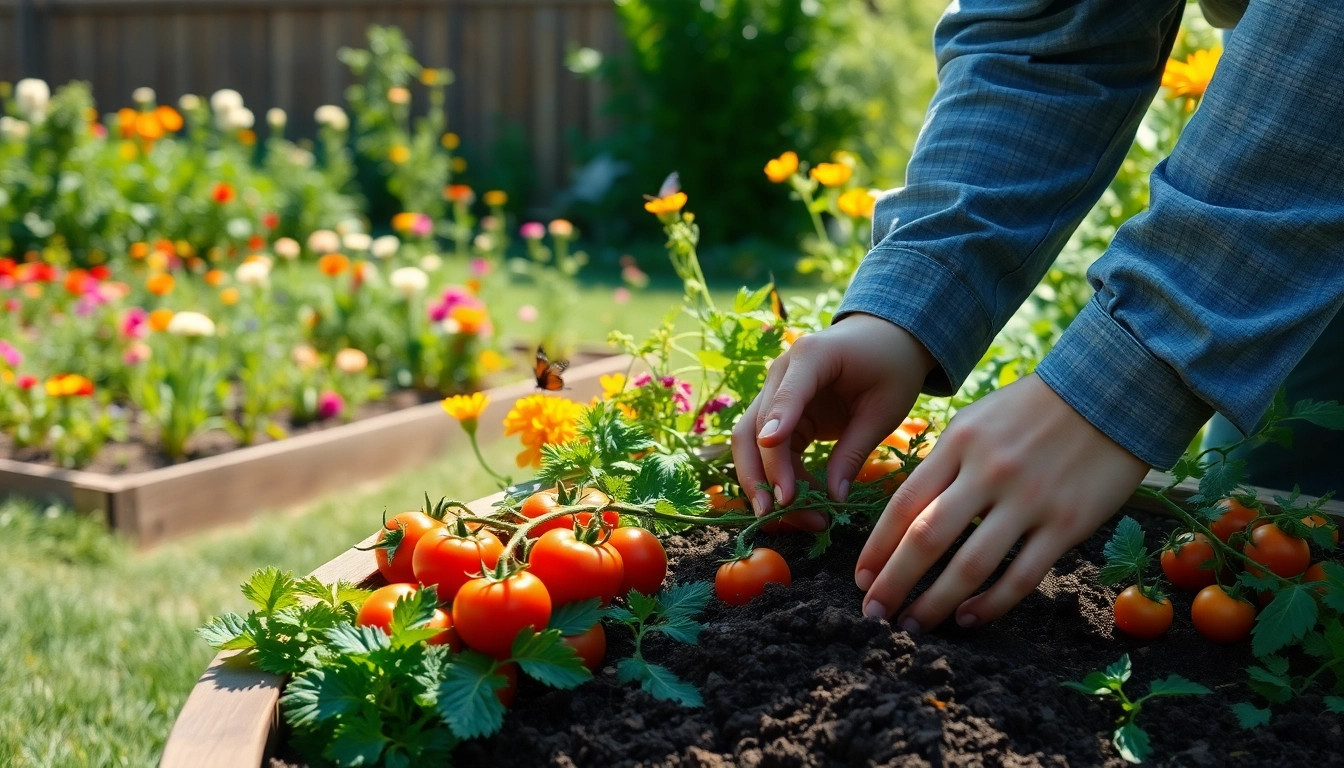
- Raised Bed Gardening: Offers better drainage and soil control, allowing you to tailor the environment to your plants’ needs.
- Vertical Gardening: Perfect for small areas and urban spaces, vertical gardens utilize walls and fences to grow plants upward, saving space.
- Hydroponics: A soil-less growing method that typically involves nutrient-rich water, ideal for indoor gardening year-round.
- Permaculture: Focusing on sustainability and mimicking natural ecosystems, it combines agriculture with ecology, promoting biodiversity.
Each type of gardening encourages its own set of skills and knowledge. It’s important to identify which style resonates with your lifestyle and gardening goals.
Importance of Gardening for Environmental Health
Gardening plays a significant role in ecological balance. Not only does it contribute to carbon dioxide reduction, but it also improves air quality and supports local wildlife. By planting trees, shrubs, and flowers, gardeners create habitats for pollinators like bees and butterflies, essential for maintaining biodiversity. Practices like composting reduce waste and enhance soil health, thereby fostering a sustainable cycle. Gardening also promotes food security within local communities; home-grown produce is fresher and has a significantly reduced carbon footprint compared to store-bought alternatives.
Essential Tools Every Gardener Needs
Basic Tools for Starting Your Gardening Journey
Every gardener, whether novice or experienced, should have a set of basic tools that enable efficiency and effectiveness. These include:
- Hand Trowel: Essential for planting and transplanting.
- Pruning Shears: Necessary for trimming plants and maintaining their health.
- Garden Fork: Beneficial for turning and aerating soil.
- Gloves: Protect hands from cuts and dirt.
- Watering Can: For precise watering without over-saturating plants.
These fundamental tools lay the groundwork for embarking on your gardening adventure.
Advanced Equipment for Experienced Gardeners
As one’s gardening skills develop, investing in advanced equipment can substantially improve results. Some tools worth considering include:
- Soil Tester: Helps assess pH levels and nutrients in the soil, guiding amendments.
- Garden Hose with Sprayer: Offers more versatility in watering, especially for larger plots.
- Compost Bin: For recycling organic waste into nutrient-rich compost.
- Tilling Machine: Facilitates large-scale soil preparation, saving effort and time.
Maintenance and Care for Your Gardening Tools
Tool maintenance is crucial for performance and longevity. Regular cleaning after use prevents rust and decay, while sharpening blades ensures efficient cutting. Store tools in a dry place to avoid moisture-related damage. For wooden handles, applying linseed oil can prevent splintering. An organized tool shed or storage unit helps keep your equipment readily accessible.
Soil Preparation Techniques for Healthy Gardens
Understanding Soil Types and Their Benefits
Soil is a living entity that consists of minerals, organic matter, water, and air. Understanding soil types is fundamental in gardening. Common types include:
- Clay Soil: Retains moisture but drains poorly; great for certain plants but requires amendment for others.
- Sandy Soil: Drains well but lacks nutrients; best for plants requiring good drainage.
- Silt Soil: Holds moisture while draining efficiently; rich in nutrients, making it ideal for a wide variety of plants.
- Loamy Soil: A mixture of sand, silt, and clay, considered the best for most plants due to its nutrient retention and drainage capabilities.
Determining the soil type in your garden can guide you in selecting suitable plants and necessary amendments.
How to Amend Soil for Optimal Growth
Soil amendment improves its structure and nutrient profile. Common amendments include:
- Compost: Enriches soil fertility and enhances moisture retention.
- Peat Moss: Improves soil aeration and water retention.
- Coconut Coir: A sustainable alternative to peat that enhances moisture retention and aeration.
- Mulch: Helps maintain soil temperature, moisture, and suppresses weeds.
Regular testing and adjusting of soil amendments can significantly boost plant health and yield.
Best Practices for Testing Soil Quality
To ensure your garden soil is conducive to plant growth, consider these best practices for testing quality:
- Home Testing Kits: These kits can measure pH, nitrogen, phosphorus, and potassium levels.
- Professional Testing Services: Conducted by agricultural extensions or local soil testing labs, providing comprehensive analysis.
- Observation: A simple but effective method for assessing soil quality; check for drainage, texture, and presence of earthworms.
Investing time in testing and understanding your soil can pay off significantly in garden success.
Planting and Caring for Your Plants
Choosing the Right Plants for Your Environment
Selecting plants suited to your environment is crucial; consider factors such as climate, soil type, and sun exposure. Native plants are often the easiest to grow and require minimal care once established. Additionally, understanding the preferred growing conditions of your chosen plants can lead to thriving gardens.
Watering Techniques for Effective Gardening
Watering is one of the most critical aspects of gardening. Different plants have varying moisture requirements, so understanding these needs can prevent overwatering or underwatering. Best practices include:
- Deep Watering: Water deeply and less frequently, encouraging roots to grow deeper.
- Drip Irrigation: A highly efficient way to deliver water directly to plant roots.
- Rainwater Harvesting: Capturing rainwater for irrigation can reduce water bills and is eco-friendly.
Seasonal and local environmental cues can guide you in how often and how much to water.
Tips for Pest Management and Organic Care
Pest management is a vital aspect of plant care. Utilizing organic methods can create a healthier garden ecosystem. Consider the following approaches:
- Companion Planting: Certain plants can deter pests naturally when grown together.
- Natural Predators: Encourage birds, ladybugs, and other beneficial insects that prey on pests.
- Homemade Remedies: Solutions like neem oil or soap sprays can manage pest populations without harmful chemicals.
Creating a balanced ecosystem encourages pest management naturally, leading to healthier plants.
Harvesting and Maintaining Your Garden
Signs of Ripeness: When to Harvest
Knowing when to harvest is essential for maximizing flavor and nutritional value. Each crop has its indicators:
- Color: Many fruits and vegetables change color when ripe.
- Size: Many crops have specific size guides for optimal harvest times.
- Firmness: Tenderness or firmness can indicate ripeness, especially in tomatoes or cucumbers.
Regular checking can ensure that produce is harvested at its peak, enhancing your enjoyment and use.
Storage Techniques for Freshly Harvested Produce
Proper storage extends the life of your harvest. Here are some best practices to follow:
- Cool and Dark Areas: Many vegetables last longer in cool temperatures away from sunlight.
- Breathable Containers: Use mesh or paper bags for produce like garlic and onions to prevent moisture buildup.
- Freezing: A great way to store excess harvest for long-term use; blanching before freezing can help maintain flavor and texture.
Implementing these techniques can help prevent spoilage and prolong the joy of fresh produce.
Seasonal Gardening: Planning for Year-Round Growth
Year-round gardening is achievable by planning for seasonal variations. Consider:
- Crop Rotation: Changing the types of crops planted in an area can boost soil health and reduce pest incidence.
- Succession Planting: Staggering plantings throughout the seasons ensures steady yields.
- Winter Gardening: Using cold frames and greenhouses can extend your growing season significantly.
With thoughtful planning, you can enjoy the fruits of your labor throughout the year.