Understanding the Basics of Gardening
What is Gardening and its Importance?
Gardening is the practice of cultivating plants, whether for ornamental purposes, food production, or both. This time-honored art is not merely a pastime; it significantly contributes to overall well-being and the environment. Engaging with nature through gardening promotes physical health, encourages mental well-being, and fosters a sense of community. For beginners, understanding the significance of gardening lies in its potential to enhance one’s lifestyle while providing fresh produce and a beautiful living space. Furthermore, the act of nurturing plants teaches patience, responsibility, and the joy of seeing tangible results. If you're looking to embark on this fulfilling journey, you might start by learning the fundamentals of Gardening.
Essential Tools for Successful Gardening
The right tools can greatly enhance your gardening experience and efficiency. Here are some fundamental tools every gardener should consider:
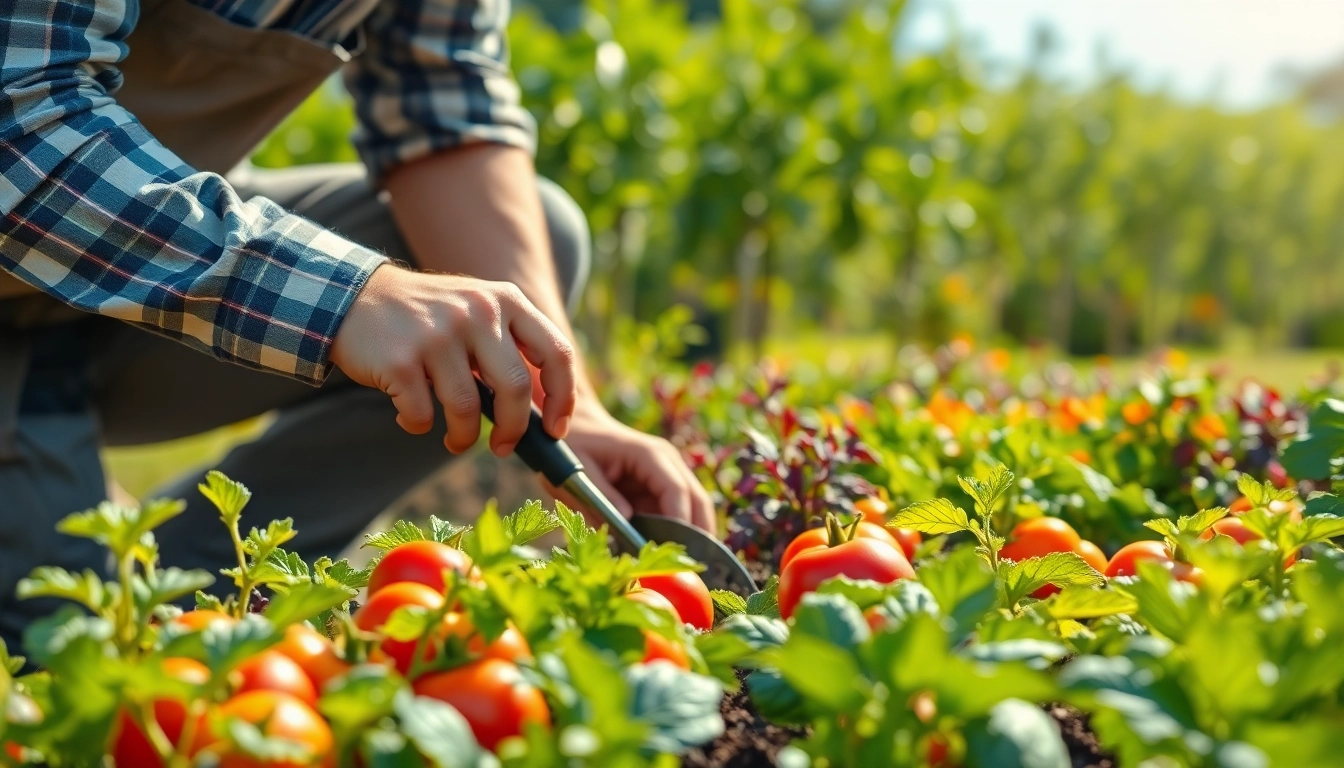
- Hand trowel: A small but versatile tool ideal for digging, planting, and transplanting.
- Pruning shears: Useful for trimming and maintaining plants to promote healthy growth.
- Garden fork: Essential for loosening soil and mixing in amendments.
- Gloves: Important for protecting your hands from thorns, dirt, and blisters.
- Watering can or hose: Necessary for effectively watering plants, especially in dry conditions.
- Rake and hoe: Tools for preparing planting beds and controlling weeds.
Investing in quality tools not only saves time but also enhances the overall gardening experience.
Choosing the Right Soil for Your Plants
Soil forms the foundation of any garden. Understanding the different types of soil and their properties can help you select the best option for your plants:
- Sandy soil: Drains well and warms quickly but lacks nutrients.
- Clay soil: Retains moisture and is nutrient-rich but can become compacted.
- Loamy soil: A balanced mixture of sand, silt, and clay, ideal for most plants.
Testing your soil for pH and nutrient content can also guide decisions on soil amendments, helping you create an optimal growing environment.
Planning Your Gardening Space
How to Design a Functional Garden Layout
Creating a well-planned garden layout maximizes your space and ensures that your plants thrive. Here are key considerations:
- Plan for sunlight: Observe how sunlight moves across your space to determine the best locations for sun-loving plants.
- Design paths: Incorporate pathways for easy access and to delineate different garden sections.
- Group plants: Arrange plants according to their watering and light needs to simplify care and water usage.
A functional layout not only enhances aesthetics but also supports efficient gardening practices.
Factors to Consider When Selecting a Site
Choosing the right site for your garden involves assessing various environmental factors:
- Sun exposure: Make sure your site receives adequate sunlight, particularly if growing vegetables.
- Wind shielding: Look for natural windbreaks or consider planting taller plants to shield more delicate ones.
- Water drainage: Avoid areas prone to flooding; well-draining soil is crucial for healthy plant roots.
A thorough site evaluation will set you on the path to successful gardening from the start.
Utilizing Vertical Space for Climbing Plants
If space is limited, consider using vertical gardening techniques. Climbing plants can help maximize your gardening area. Here are some tips:
- Choose the right support: Use trellises, cages, or arbors depending on the plant type.
- Space plants correctly: Ensure adequate spacing to allow air circulation and prevent overcrowding.
- Rotate plant types: Change what you grow vertically each season to keep the soil healthy and productive.
Vertical gardening not only saves space but adds beauty and interest to your landscape.
Plant Selection and Care
Choosing Plants Suitable for Your Climate
Understanding your local climate is crucial for selecting the right plants. Different plants thrive in various climate zones:
- Hardiness zones: Familiarize yourself with your USDA hardiness zone to know which plants can survive in your area.
- Microclimates: Consider variations in sunlight, moisture, and temperature within your garden that may affect plant selection.
By choosing plants that suit your climate, you set them up for successful growth.
Understanding Plant Growth Cycles
Each plant has its own growth cycle, which includes germination, growth, flowering, and dormancy. Recognizing these stages is vital for effective care:
- Germination: This is when seeds begin to sprout, requiring optimal moisture and warmth.
- Growth: This phase needs proper nutrition, water, and sunlight to support the plant's development.
- Flowering: Some plants require specific conditions to bloom, such as daylight length and temperature.
- Dormancy: Many perennials go dormant in winter, and it's essential to protect them during this phase.
Understanding these cycles aids in timely interventions, ensuring that plants receive care tailored to their needs.
Common Pests and How to Manage Them
Pest management is crucial for maintaining plant health. Here are common pests and their management strategies:
- Aphids: These tiny insects suck sap from plants. Use insecticidal soap or introduce beneficial insects like ladybugs.
- Slugs and snails: Remove manually or use organic bait to control their populations.
- Spider mites: These pests thrive in dry conditions. Regular misting can help prevent infestations.
Integrated pest management techniques emphasize using multiple strategies collectively for the best results.
Effective Watering and Fertilization Techniques
Best Practices for Watering Plants
Proper watering is critical for maintaining plant health. Consider the following best practices:
- Water deeply: Aim to water less frequently but ensure each application thoroughly penetrates the soil.
- Time of day: Water in the early morning or late afternoon to minimize evaporation losses.
- Soil moisture monitoring: Learn to gauge when plants need water by checking soil moisture at a depth of two inches.
These practices help prevent overwatering and underwatering, leading to healthier plants.
Types of Fertilizers and Their Uses
Choosing the right fertilizers is essential for meeting the nutritional needs of your plants. Here are the main types:
- Organic fertilizers: Derived from natural sources, they release nutrients slowly and improve soil health.
- Inorganic fertilizers: These synthetic options provide immediate availability of nutrients but may impact soil structure over time.
- Slow-release fertilizers: These products gradually deliver nutrients over an extended period, reducing the frequency of application.
Understanding the types of fertilizers will help you choose the best option for your gardening goals.
Organic vs. Chemical Fertilizers: What to Know
The debate between organic and chemical fertilizers continues among gardeners. Here are key points to consider:
- Benefits of organic fertilizers: They promote long-term soil health, enhance microbial activity, and reduce the risk of nutrient runoff.
- Limitations of chemical fertilizers: While they provide quick results, excessive use can lead to soil degradation and water pollution.
Many gardeners suggest a balanced approach, leveraging both types to benefit plant growth while maintaining soil vitality.
Harvesting and Maintaining Your Garden
When and How to Harvest Your Plants
Harvesting is one of the most satisfying aspects of gardening. Timing and technique play crucial roles:
- Ripeness indicators: Learn to recognize when your fruits and vegetables are ripe for picking. Color, size, and firmness are key factors.
- Harvesting tools: Use clean, sharp tools to minimize plant damage; for some fruits, gentle twisting or cutting can prevent bruising.
By mastering the art of harvesting, you ensure optimal flavor and quality in your garden produce.
Seasonal Maintenance Tips for Longevity
Maintaining a garden requires attention throughout the year. Here are seasonal tips to ensure longevity:
- Spring: Prepare garden beds, sow seeds, and monitor for pests.
- Summer: Regularly check for water needs and maintenance tasks like weeding and mulching.
- Fall: Clean up dead plant material and consider planting cover crops to enrich the soil.
- Winter: Protect perennials with mulch and plan for the upcoming garden season.
Consistent seasonal care promotes the long-term health of your garden.
Understanding Crop Rotation and Its Benefits
Crop rotation is the practice of varying plant species in a given area across seasons. Key benefits include:
- Pest management: Rotating crops interrupts pest life cycles and reduces infestations.
- Nutrient management: Different crops have varying nutrient requirements, preventing soil depletion.
- Soil structure improvement: Specific plant roots can enhance soil aeration and stability, improving overall garden health.
Incorporating crop rotation into your gardening practices can lead to more robust and productive plants.