Getting Started with Gardening
Gardening is more than just a hobby; it’s a fulfilling and enriching practice that promotes sustainability while enhancing our surroundings. Whether you have a sprawling backyard or a small balcony, the art of Gardening can transform any space into a green oasis. Before diving into the nuances of plant care, it's crucial to lay a foundation centered around the essential aspects of starting your gardening journey. To embark on this journey, an understanding of soil types, proper location selection, and the essential tools needed for effective gardening is paramount. For those seeking resources and information, Gardening holds a wealth of knowledge that can guide you through the early stages.
Understanding Soil Types for Gardening
The foundation of any healthy garden starts with soil. Different soil types have distinct characteristics that affect plant growth. Primarily, soil can be divided into three categories: sand, silt, and clay. Sandy soil drains quickly but may not retain nutrients well, making it suitable for drought-resistant plants. Silty soil is rich in nutrients and retains moisture, while clay soil can be dense and waterlogged but is also nutrient-rich. Understanding these types will help you determine the best plants for your garden and how to amend your soil effectively to create an optimal growing environment.
Choosing the Right Location for Your Garden
Location plays a critical role in the success of your garden. Most vegetables and flowers require at least 6-8 hours of direct sunlight daily. When selecting a site, observe sunlight patterns throughout the day and avoid shaded areas from buildings or trees. Furthermore, consider drainage and accessibility; avoid areas that tend to collect water and ensure easy access for maintenance and harvesting. By analyzing these factors, you can choose a location that enhances plant growth and simplifies your gardening tasks.
Essential Tools for Effective Gardening
Having the right tools can make all the difference in your gardening experience. Essential tools include a sturdy spade for digging, a garden hoe for breaking up soil, hand pruners for trimming, and gloves to protect your hands. A trowel and rake also contribute significantly to maintaining garden beds. Additionally, consider investing in a watering can or a hose with a nozzle to ensure your plants receive adequate hydration. These tools not only facilitate various gardening tasks but also enhance your efficiency.
Planning Your Garden Layout
After familiarizing yourself with the basics, the next step is planning your garden layout. An organized layout optimizes space, promotes plant health, and leads to a bountiful harvest. This stage involves designing planting beds, considering companion planting strategies, and accounting for seasonal cycles.
Designing Planting Beds in Gardening
When designing your planting beds, think about their shape, size, and arrangement. Traditional row gardens are effective but may benefit from a more diverse approach such as square foot gardening. This method maximizes space and makes it easier to manage multiple plant types. Raised beds are another excellent option that offers improved drainage, prevents soil compaction, and can be tailored to specific plant needs. Remember to space plants adequately to ensure good air circulation and sunlight exposure.
Companion Planting Strategies for Gardening
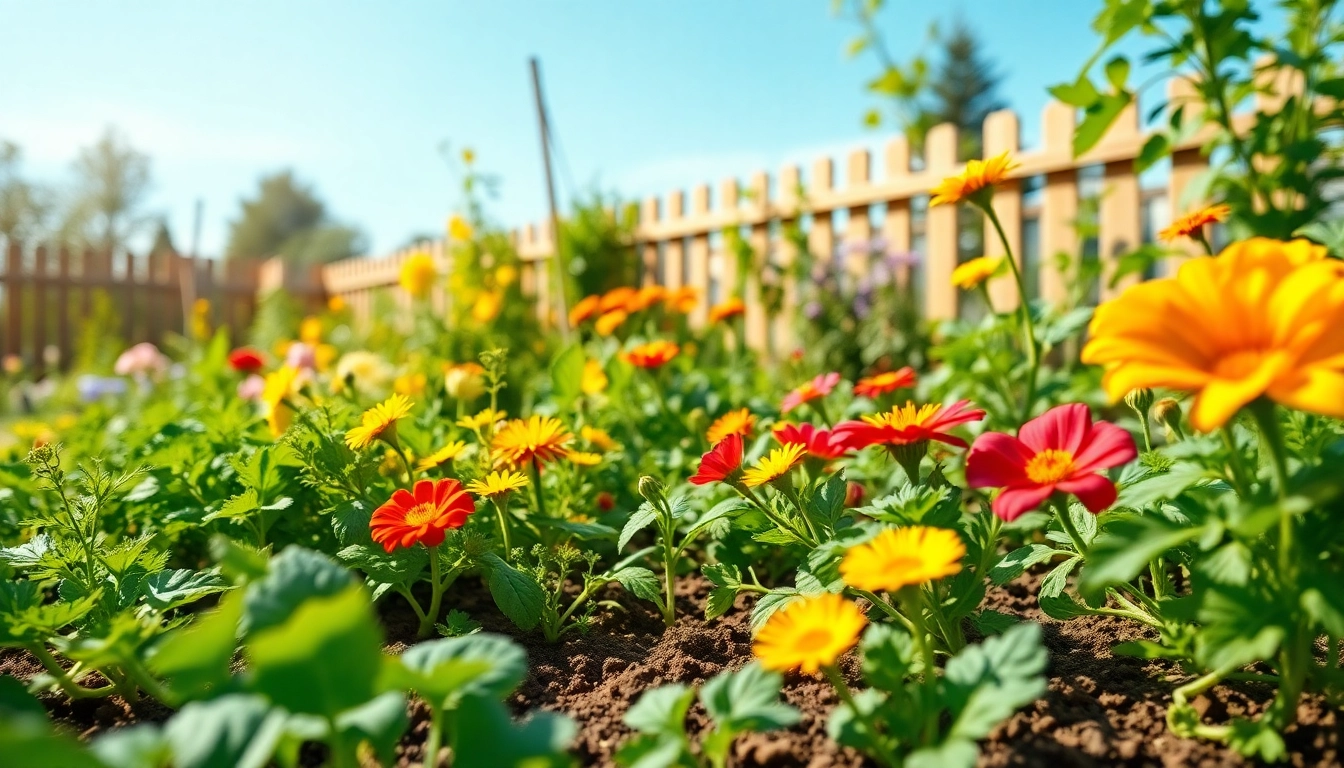
Companion planting can significantly enhance your garden's productivity. This strategy involves planting different species in proximity for mutual benefits such as pest control, pollination, and nutrient uptake. For instance, planting marigolds next to vegetables can deter harmful pests, while the combination of tomatoes and basil is known to boost flavor. By understanding which plants benefit from one another, you can create a more robust and thriving garden ecosystem.
Seasonal Considerations in Gardening
Gardening is often dictated by the seasons. Knowing the planting zones and the average last frost dates in your area can guide which plants to sow and when. For instance, cool-weather crops like peas and lettuce thrive in early spring while warm-weather staples such as tomatoes and peppers need to be planted after the last frost. Seasonal rotations can also revitalize your soil and control pests through diverse planting. Keeping a gardening calendar can help you track seasonal changes and align planting activities accordingly.
Watering and Maintenance Practices
Watering and maintenance are vital components of successful gardening. It's essential to develop a consistent routine that ensures your plants receive adequate hydration and care to thrive.
Best Watering Techniques for Gardening
Effective watering techniques can prevent water wastage and ensure that your plants receive the moisture they need. The best approach often depends on the specific requirements of your plants and the prevailing weather conditions. Drip irrigation systems can be a highly efficient way to deliver water directly at the soil level, minimizing evaporation and runoff. Additionally, consider watering in the early morning or late evening when temperatures are cooler to reduce water loss. Always monitor soil moisture; watering only when necessary will promote deep root growth and improve plant resilience.
Organic Pest Control Methods for Gardening
Managing pests organically involves a combination of preventive measures and active management strategies. Regularly inspecting your plants for signs of pests allows for timely intervention before infestations occur. Implementing traps, using insecticidal soaps, or introducing beneficial insects like ladybugs can help control pest populations naturally. It's important to encourage biodiversity in your garden, as a diverse ecosystem supports natural predators that will help keep harmful insects in check.
Fertilizing Tips for Healthier Plants in Gardening
Proper fertilization is key to promoting healthy plant growth. Organic fertilizers, such as compost and well-rotted manure, improve soil structure and provide a steady release of nutrients. Conducting a soil test informs you about existing nutrient levels and pH, enabling you to tailor your fertilization efforts. Remember to apply fertilizers during the growing season, providing a boost during critical growth spurts in plants. In addition, practicing crop rotation can help maintain balanced soil fertility over time.
Advanced Gardening Techniques
Once you've mastered the fundamentals, you might want to explore advanced gardening techniques that can elevate your gardening experience and yields.
Vertical Gardening for Space Optimization
Vertical gardening is an innovative space-saving technique that allows for more plants in smaller areas. This method involves growing plants upward, utilizing trellises, wall planters, or hanging containers to create layers. Not only does this maximize available space, but it also improves air circulation and sunlight exposure while reducing the risk of pest infestations in the soil. Ideal choices for vertical gardening include vining plants like cucumbers and tomatoes, as well as compact herbs like thyme and basil.
Permaculture Principles in Gardening
Permaculture is a holistic design philosophy that aims to create self-sustaining ecosystems. In the context of gardening, using permaculture principles means observing the natural patterns of ecosystems and mimicking them to create harmony within your garden. Implementing practices such as mulching, companion planting, and creating microclimates support a more resilient garden that requires less outside input. Integrating permaculture into your gardening practice can result in low-maintenance landscapes that thrive on natural resources.
Using Raised Beds for Enhanced Gardening
Raised beds have become increasingly popular among gardeners for several reasons. They allow for better soil control, improve drainage, and minimize soil compaction. Additionally, raised beds warm up faster in the spring, extending the growing season. When building raised beds, consider their height, as this can impact accessibility and ease of maintenance. Filling raised beds with high-quality soil ensures that plants receive optimal nutrients, leading to healthier growth and improved yields.
Harvesting and Preserving Your Gardening Results
Harvesting is the moment of truth in Gardening, where all your hard work comes to fruition. Proper harvesting techniques not only ensure the best flavor and quality of produce but also improve the plants' chances of producing more throughout the season.
When and How to Harvest Your Garden Produce
Timing is crucial when it comes to harvesting. Each plant species has its indicators of readiness, which can include color, size, and firmness. For instance, tomatoes are typically harvested when they reach full color but are still firm to the touch, while leafy greens can be continually harvested by taking outer leaves. Using clean, sharp tools for cutting can help prevent damage to the plants and ensure the longevity of your harvests.
Preserving Techniques for Garden Bounty
Preserving your harvest can prolong the enjoyment of your garden's bounty. Methods such as canning, freezing, dehydrating, and pickling are popular and effective. Each method offers unique benefits and can accommodate different types of produce. For example, canning is great for sauces and salsas, while freezing preserves vegetables like peas and beans' flavors and nutrients. Learning these preserving techniques allows you to enjoy your garden's produce long after the season ends.
Sharing Your Gardening Success with the Community
Gardening fosters a sense of community and sharing your bounty can enrich that experience. Consider hosting a garden party where neighbors and friends can gather to celebrate the season's harvest. Community gardens are another fantastic way to share resources and produce with fellow gardening enthusiasts. Donating excess produce to local food banks or participating in seed exchanges can also strengthen community ties and contribute positively to local food systems.