Understanding Electric Injection Molding Machines
The evolution of manufacturing technology has led to significant advancements in injection molding, particularly with the advent of the Electric injection molding machine. These machines are engineered to meet the demands of modern production environments, delivering precision, efficiency, and sustainability. By utilizing electric motors and advanced controls, electric injection molding machines offer enhanced performance compared to their traditional hydraulic counterparts. This article delves into the foundational elements of electric injection molding, highlighting their features, benefits, and the technology that drives their efficiency.
What is an Electric Injection Molding Machine?
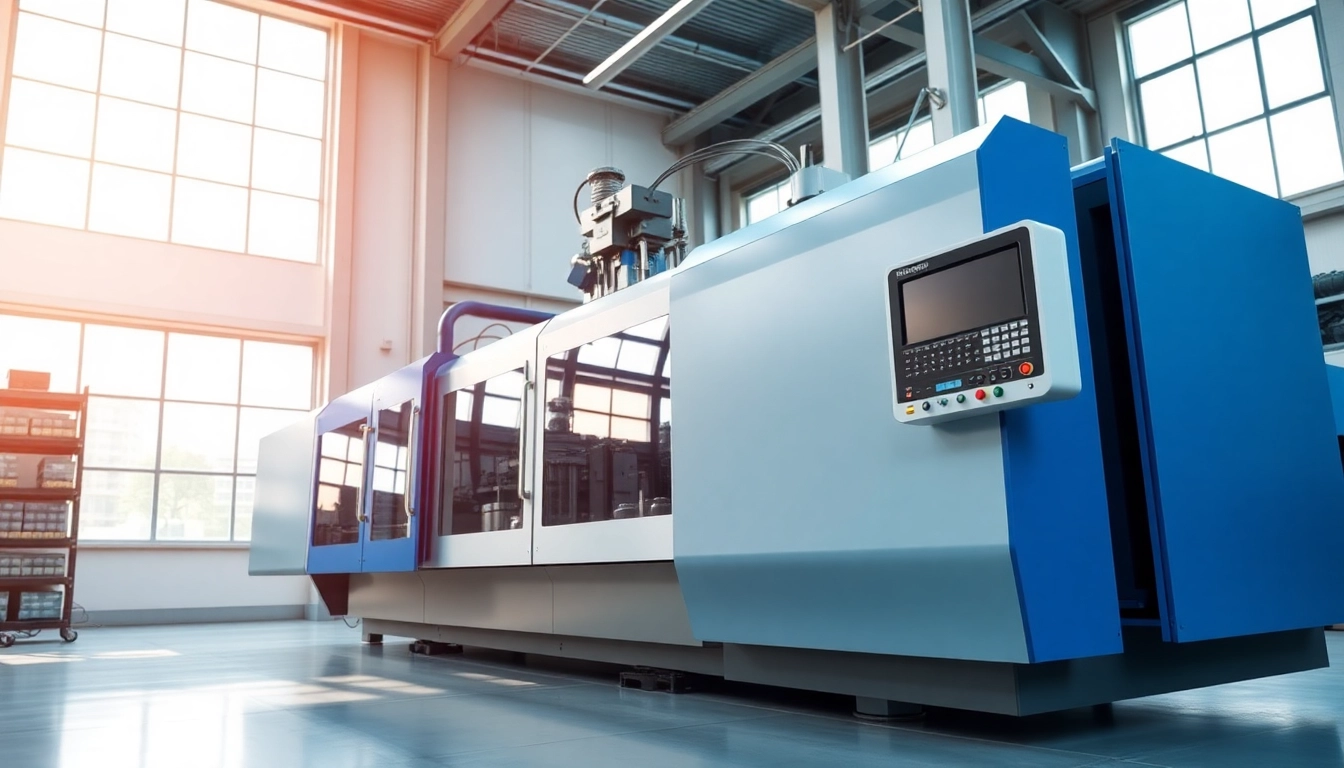
An electric injection molding machine is a type of machinery used primarily in the plastic manufacturing industry to produce plastic parts through the injection molding process. Unlike traditional machines that utilize hydraulic systems to power their operations, electric injection molding machines rely on electric motors for their movements, significantly enhancing their precision and effectiveness.
These machines can be classified into various series, including the Topstar TEⅡ series, TMⅡ series, and TH series, each tailored for specific applications. With capacities ranging from 90 tons to over 2800 tons, electric machines cater to diverse production needs, ensuring efficient manufacturing of anything from small components to large assemblies.
Key Features and Benefits
Electric injection molding machines come equipped with numerous features that enhance their operation:
- High Precision: The discrete intelligent drive control found in models like the TEⅡ ensures accurate positioning and pressure control, leading to high-quality end products.
- Energy Efficiency: Electric models require less energy than hydraulic machines, making them more environmentally friendly and cost-effective over their lifespan.
- Reduced Maintenance: With fewer moving parts and no need for hydraulic fluids, electric machines generally incur lower maintenance costs and downtime.
- Integration Capabilities: These machines can easily synchronize with robotics and peripheral devices, streamlining the entire production process.
Innovative Technologies in Electric Injection Molding
Discrete Intelligent Drive Control
The advancement of discrete intelligent drive control technology represents a significant leap forward in the operation of electric injection molding machines. This technology enhances the responsiveness of the machine, allowing for precise adjustments during production. The TEII series, for example, uses this control to maintain consistent pressure and position, which is crucial for achieving quality results in high-precision applications.
Integration with Robotics
Modern electric injection molding machines are designed to work seamlessly with robotic automation systems. This integration not only improves the efficiency of the injection molding process but also enhances the safety and ergonomic aspects of manufacturing. By automating part handling and assembly processes, manufacturers can achieve higher productivity levels while reducing labor costs.
Energy Efficiency and Environmental Impact
Energy efficiency is a core advantage of electric injection molding machines. These machines use significantly less energy than their hydraulic counterparts, promoting sustainable manufacturing practices. According to recent studies, electric injection molding machines can reduce energy consumption by up to 60%, leading to lower operational costs and a reduced carbon footprint. As industries increasingly prioritize sustainability, the shift towards electric technology aligns with global environmental goals.
Applications of Electric Injection Molding Machines
Industries Utilizing Electric Machines
Electric injection molding machines are versatile and utilized across various industries, including:
- Medical Devices: The precision and reliability of electric machines make them ideal for producing medical components, such as syringes and surgical instruments.
- Packaging: The packaging industry benefits from the speed and efficiency of electric injection molding machines, which can produce complex packaging designs with high precision.
- Automotive: Electric machines are increasingly used in the automotive sector for producing lightweight components that help improve vehicle efficiency and performance.
Case Studies of Successful Implementations
Several companies have successfully adopted electric injection molding machines, demonstrating their effectiveness in real-world applications. For instance, a leading medical device manufacturer implemented the Topstar TEⅡ series electric injection molding machines to enhance production efficiency and reduce component variability, resulting in a 30% increase in output. Similarly, a packaging company reported a 25% reduction in energy consumption by transitioning from hydraulic to electric machines, showcasing their long-term benefits.
Future Applications and Innovations
Looking ahead, the applications for electric injection molding machines are expanding. Innovations in materials and processes are likely to enhance the capabilities of these machines even further. For example, developments in bioplastics and recycled materials could lead to new opportunities for electric machines to support sustainable manufacturing practices. The integration of AI and machine learning may also enable predictive maintenance and smart manufacturing capabilities, making electric injection molding machines even more efficient and adaptable.
Common Challenges and Solutions
Addressing Misconceptions About Electric Machines
Despite the numerous advantages, some misconceptions exist regarding electric injection molding machines. Common beliefs suggest they are less powerful than hydraulic systems or unsuitable for larger molds. However, advancements in technology have proven that electric machines can compete with hydraulic in terms of power and even exceed them in precision and energy savings. Addressing these misconceptions through education and demonstration can encourage more manufacturers to transition to electric solutions.
Meeting Complex Production Needs
The flexibility of electric injection molding machines allows them to meet complex production requirements. Manufacturers can customize machine settings and configurations to cater to specific product needs. For instance, companies can choose modular designs that enable them to switch between different mold configurations quickly, ensuring they can adapt to changing market demands.
Maintenance Best Practices
Proper maintenance is paramount for ensuring the longevity and efficiency of electric injection molding machines. Key practices include:
- Regularly inspecting electrical components for wear or damage.
- Ensuring proper calibration of sensors and controls to maintain precision.
- Training operators on best practices for machine operation to minimize misuse.
Looking Ahead: The Future of Electric Injection Molding
Emerging Trends and Technologies for 2025
As we approach 2025, the electric injection molding industry is expected to witness several trends, including the rise of Industry 4.0 technologies. Smart factories utilizing IoT connectivity will enable real-time monitoring and data collection, enhancing the efficiency of electric injection molding processes. Additionally, advancements in servo-driven technologies will further improve machine speed and precision, catering to the increasing demands for high-quality products.
Market Predictions and Growth Areas
Market analysts predict significant growth in the electric injection molding machine sector, driven by the demand for energy-efficient manufacturing solutions. Regions such as North America and Asia-Pacific are expected to lead this growth, with increasing investments in automation and sustainable practices. Innovations in electric machine technology will continue to shape production processes across various industrial applications.
Expert Insights on Industry Developments
Industry experts emphasize the importance of staying ahead in the competitive landscape by adopting advanced technologies such as electric injection molding machines. Investing in training and development for personnel, along with ongoing maintenance and upgrades of machinery, will be crucial. Companies that embrace these changes will likely see improved productivity, reduced operational costs, and enhanced product quality.