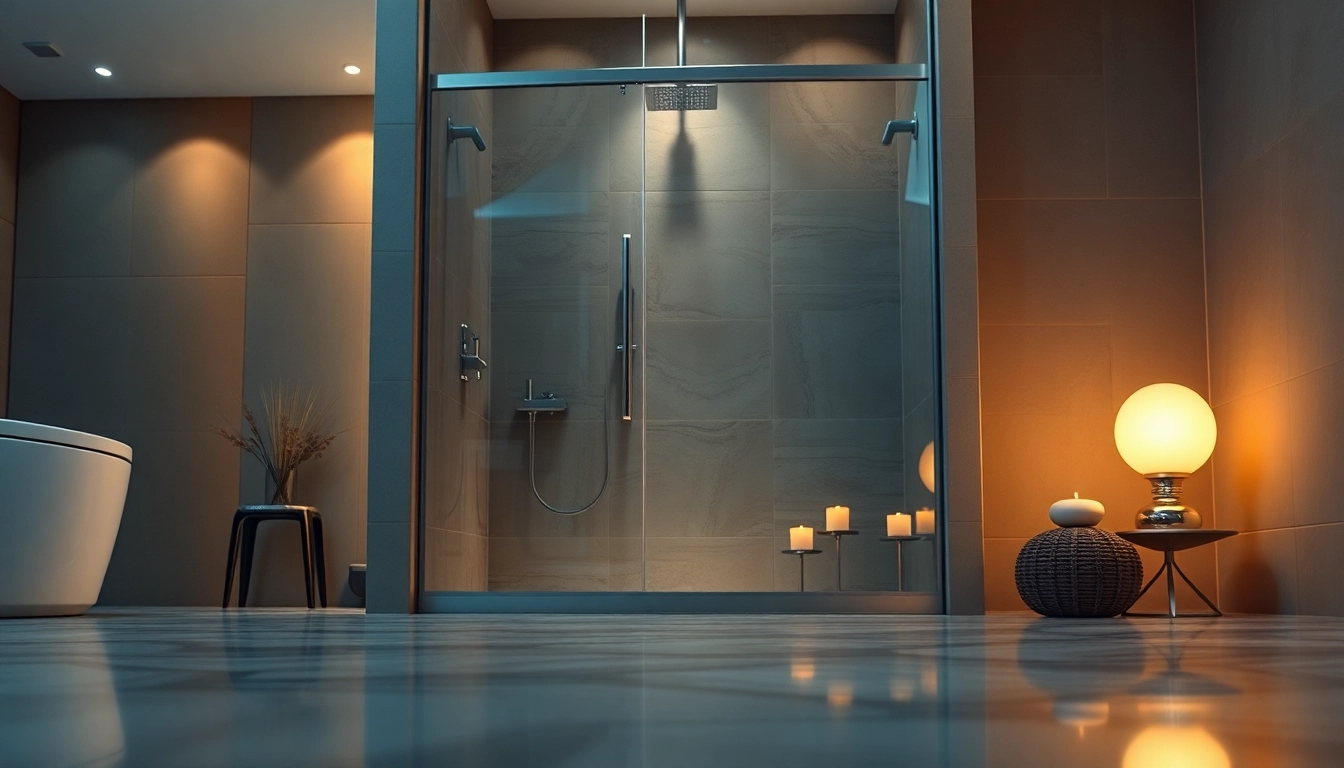
Understanding the Basics of Home Renovation
Home renovation is a transformative process that can enhance functionality, aesthetics, and comfort within your living space. This comprehensive guide aims to equip homeowners with all the information they need for a successful remodeling project. From understanding what home renovation entails to managing it effectively, we will address all essential aspects of this exciting process.
What is Home Renovation?
Home renovation refers to the process of improving a structure by altering its existing elements or incorporating new ones. This can encompass a variety of projects, from minor updates like painting and flooring to major overhauls that involve structural changes, expansions, or complete remodels of specific rooms, such as kitchens and bathrooms. The primary goal is to enhance the livability and aesthetics while potentially increasing the property value.
Key Reasons for Home Renovation
Homeowners opt for renovations for various reasons, including:
- Increased Space: Renovating can help create more usable space, particularly in growing families or when accommodating home offices.
- Modernization: Updating outdated designs, fixtures, and layouts can make a home feel fresh and improve its functionality.
- Maintenance and Repair: Renovations often address structural issues, age-related repairs, and safety considerations.
- Enhanced Energy Efficiency: Upgrading insulation, windows, and heating/cooling systems can lead to significant energy savings.
- Increased Value: Well-planned renovations often result in a higher return on investment (ROI), making homes more attractive to potential buyers.
Common Myths About Home Renovation
Many misconceptions exist regarding home renovation, which can lead homeowners astray:
- All Renovations Are Overly Expensive: While some renovations can be costly, there are budget-friendly options that can still provide significant benefits.
- DIY Is Always Cheaper: Many projects require professional expertise. Mistakes can lead to costly repairs, negating any initial savings.
- Renovations Always Take Longer Than Anticipated: Although some delays can occur, proper planning and hiring professionals can help keep projects on schedule.
Planning Your Home Renovation Project
Effective planning is crucial to a successful renovation project. Here’s what to consider.
Setting a Clear Budget for Home Renovation
Before kicking off your renovation, establishing a clear budget is imperative. This should include:
- Cost of materials
- Labor costs
- Permitting and design fees
- Contingency funds (typically 10-20% of the overall budget for unexpected expenses)
Research costs through local suppliers and consult with contractors to establish a realistic budget. Effective budgeting will ensure you can complete your project without financial strain.
Choosing the Right Renovation Style
Picking a renovation style that reflects your taste and complements your home’s architecture is essential. Popular styles include:
- Modern: Characterized by clean lines and open spaces.
- Traditional: Features classic elements and detailed craftsmanship.
- Contemporary: Often incorporates current trends with an emphasis on minimalism and functionality.
- Rustic: Showcases natural materials and a rugged aesthetic.
Consider researching design trends and gathering inspiration from home design magazines or websites. Ultimately, your style choice should resonate with your lifestyle needs and personal preferences.
Developing a Timeframe for Home Renovation
Establishing a timeline is crucial to managing expectations and keeping the project organized. Take into account factors such as:
- The scope of the renovation
- Permitting processes
- Availability of materials
- Contractor schedules
A well-structured timeline will help in monitoring progress and making necessary adjustments along the way.
Selecting the Right Professionals for Home Renovation
Finding the right professionals is pivotal for a successful renovation. Here’s how to approach it.
When to Hire Contractors for Home Renovation
Consider hiring contractors when your project involves significant changes, such as:
- Structural modifications
- Major electrical or plumbing work
- Complex installations
For less complex projects, such as minor decor updates or landscaping, DIY might suffice. However, professional help can ensure quality and compliance with local regulations.
How to Communicate Effectively with Your Team
Establishing clear communication with your renovation team is fundamental for project success. Here are some strategies:
- Set regular check-in meetings to discuss progress and address concerns.
- Use collaborative tools for scheduling, sharing documents, and tracking changes.
- Be clear about your expectations and listen to their professional advice.
Effective communication fosters collaboration and minimizes misunderstandings.
Evaluating Quotes and Proposals
When assessing quotes and proposals from contractors, consider the following:
- Compare overall cost, including materials and labor.
- Look for detailed breakdowns, ensuring transparency in pricing.
- Check contractor references and reviews, ensuring quality of work.
Choosing the right contractor is a crucial step toward achieving your desired outcome while adhering to your budget.
Executing Your Home Renovation Plan
Executing the renovation process requires attention to detail and adaptability. Here’s how to ensure a smooth execution.
Managing the Renovation Process
Once the project is underway, there are several tips to keep everything on track:
- Keep a detailed record of progress and expenditures.
- Be responsive to changes and ensure that the team is informed of any design adjustments.
- Regularly review timelines and budgets to stay aligned with the project goals.
A proactive approach during execution can help address smaller issues before they escalate into larger problems.
Dealing with Unexpected Challenges
Unexpected challenges may arise during renovations, from material delays to discovering structural issues. Here’s how to handle them:
- Maintain a contingency fund to cover unforeseen expenses.
- Remain flexible and open to adapting design plans if necessary.
- Engage with your contractor to find effective solutions quickly.
Addressing challenges promptly will lead to better outcomes and minimize disruption.
Maintaining Progress with Timeline Adjustments
It’s essential to be prepared for potential timeline alterations. To manage this effectively:
- Assess what factors may cause delays and develop a plan for each scenario.
- Communicate openly with your contractor about any changes to the timeline.
- Document all approved adjustments to keep everyone on the same page.
This will ensure that the renovation process remains organized and focused on end goals.
After the Home Renovation: Ensuring Long-Term Satisfaction
The completion of a renovation is just the beginning. Ensuring long-term satisfaction involves evaluating the outcomes and making necessary adjustments.
Assessing the Finished Home Renovation
Once the renovation is complete, take the time to conduct a thorough walk-through:
- Check for any unfinished work or defects.
- Ensure all new installations and features function correctly.
- Gauge your satisfaction with the final aesthetics and functionality.
If any issues arise, promptly consult with your contractor to address them effectively.
Final Touches and Aesthetic Considerations
Final touches can significantly enhance the renovated space. Consider:
- Paint and decor choices that reflect your style.
- Landscaping that complements the exterior of your home.
- Functional layout of furniture to optimize space usage.
These finishing details play a crucial role in making your renovation feel complete and personalized.
Home renovation Maintenance Tips
To ensure longevity and preserve the quality of your renovations, follow these maintenance tips:
- Schedule regular inspections for structural elements like roofs and plumbing.
- Maintain cleanliness and promptly address any signs of wear and tear.
- Engage professionals for routine maintenance of complex systems, such as HVAC and electrical systems.
Proactive maintenance will protect your home investment and keep your living space enjoyable for years.
In conclusion, embarking on a Home renovation journey can be rewarding when approached with careful planning, execution, and ongoing maintenance. With the right strategies and professional support, your project can fulfill your dreams while adding value to your home.