
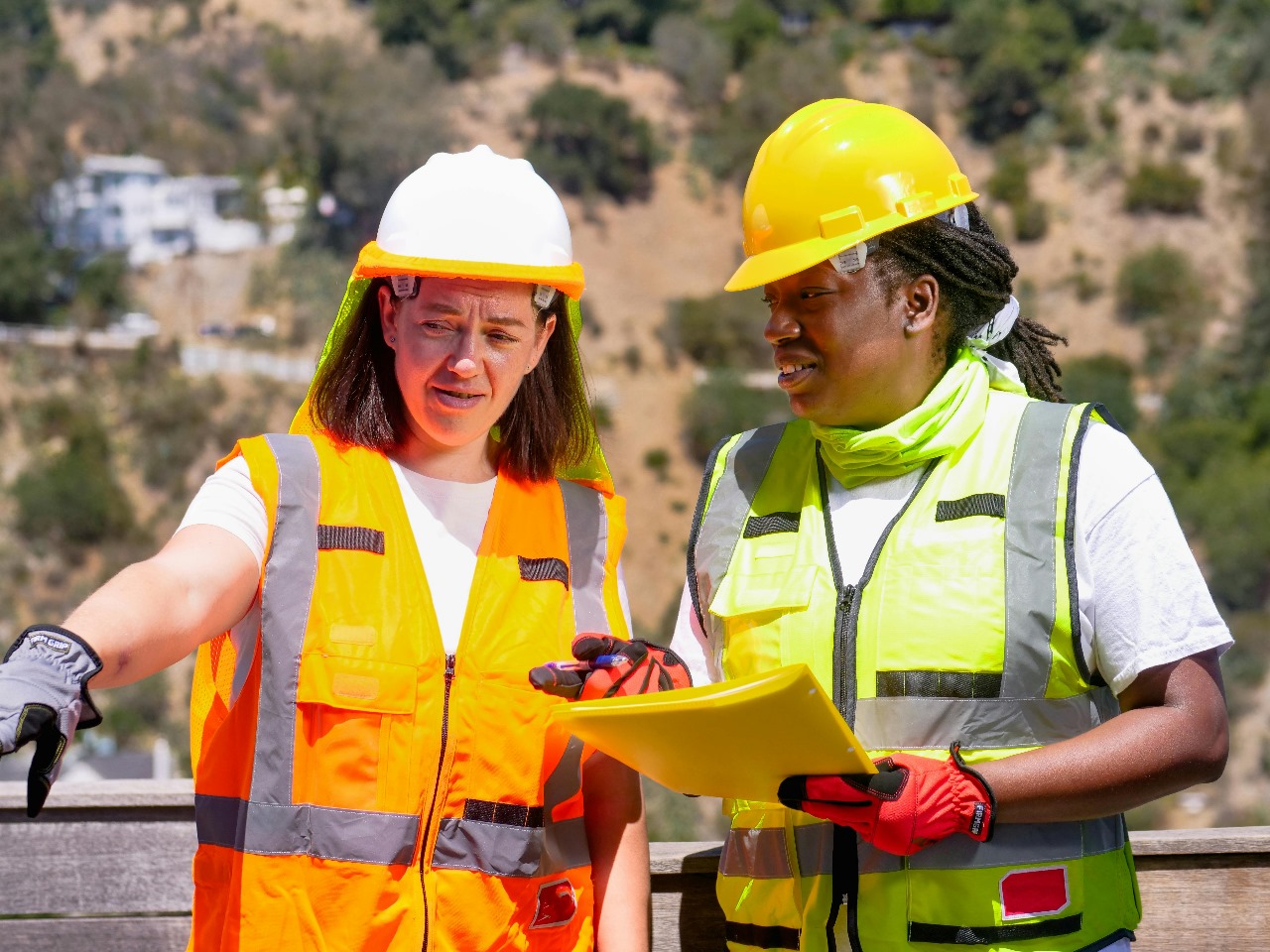
In today’s fast-evolving workforce, practical skills are more valuable than ever. Hawaii’s construction, electrical, and mechanical industries continue to grow, and with that growth comes a rising demand for qualified professionals who can get the job done safely and efficiently. That’s where Trade schools in Hawaii come in — offering hands-on education, industry connections, and real-world experience to help students build rewarding careers across a range of high-demand fields.
Why Choose a Trade School in Hawaii?
Trade schools, also known as vocational or technical schools, provide focused, skills-based education designed to prepare students for immediate entry into the workforce. Unlike traditional four-year colleges, trade schools emphasize practical learning, helping students develop the expertise needed for specific careers in shorter timeframes and at lower costs.In Hawaii, the demand for skilled labor continues to climb as the construction industry expands. From electricians and welders to HVAC technicians and carpenters, trade schools are producing the next generation of skilled professionals who will help shape Hawaii’s infrastructure and economy.
Affordable and Efficient Education
Trade schools offer a more affordable alternative to universities. Programs are typically shorter, often lasting between six months and two years, allowing students to enter the workforce sooner while avoiding heavy student loan debt.
High Demand for Skilled Trades
Hawaii’s growing industries — particularly construction, renewable energy, and hospitality maintenance — rely heavily on skilled workers. Graduates from trade programs often enjoy strong job prospects, competitive wages, and long-term stability.
Real-World, Hands-On Training
One of the greatest advantages of attending a trade school in Hawaii is the emphasis on practical training. Students spend less time in lecture halls and more time in labs, workshops, and field environments where they gain real, applicable experience.
Top Trade Schools in Hawaii for Career-Focused Education
Whether you’re passionate about construction, electrical systems, automotive repair, or healthcare, Hawaii offers an impressive range of accredited institutions to choose from. Below are some of the most reputable trade schools across the islands.
1. Honolulu Community College (HCC)
Honolulu Community College is one of the leading institutions in Hawaii for hands-on technical education. HCC’s Applied Trades programs are known for their strong emphasis on construction technology, welding, and electrical installation.Programs Offered:
- Carpentry Technology
- Electrical Installation and Maintenance
- Architecture, Engineering, and Construction Technology
- Welding and Sheet Metal TechnologyWhy Choose HCC:Students benefit from modern facilities, experienced instructors, and partnerships with local construction firms. The college’s integration with the University of Hawaii system also ensures a high standard of training and job placement support.
2. Hawaii Community College – Hilo
Located on the Big Island, Hawaii Community College offers a variety of trade and technical programs designed to meet the state’s workforce needs.Programs Offered:
- Automotive Mechanics Technology
- Carpentry
- Machine, Welding, and Industrial Technology
- Electrical Installation and MaintenanceWhy Choose Hawaii CC:The school combines classroom learning with applied training, preparing students for immediate employment or apprenticeships. Graduates often find work with major contractors across Hawaii’s islands.
3. University of Hawaii Maui College
UH Maui College offers comprehensive vocational programs that blend academic theory with hands-on practice. Its technical training initiatives aim to support Maui’s sustainable construction and energy industries.Programs Offered:
- Sustainable Construction Technology
- Electronic and Computer Engineering Technology
- Applied Business and Information Technology
- Culinary Arts and HospitalityWhy Choose UH Maui College:Students benefit from cutting-edge labs, mentorship opportunities, and programs aligned with Hawaii’s green energy goals, making it ideal for those looking to work in environmentally conscious industries.
4. Leeward Community College
Leeward CC provides a mix of trade and workforce training programs tailored to the needs of Oahu’s growing construction and maintenance sectors.Programs Offered:
- Facilities Maintenance
- Automotive Technology
- Industrial Engineering Technology
- Culinary ArtsWhy Choose Leeward CC:The college’s focus on employability ensures students graduate with both technical skills and essential certifications recognized by local employers.
5. Hawaii Institute of Hair Design
For students interested in beauty and personal services, the Hawaii Institute of Hair Design offers a hands-on cosmetology program in Honolulu.Programs Offered:
- Cosmetology and BarberingWhy Choose Hawaii Institute of Hair Design:With a long-standing reputation in Hawaii’s beauty industry, this school provides both theoretical instruction and practical salon experience, helping students launch careers in beauty and wellness quickly after graduation.
Key Benefits of Attending Trade Schools in Hawaii
Hands-On Experience That Employers Value
Employers across Hawaii’s industries seek candidates who can perform with confidence from day one. Trade school graduates have the advantage of extensive hands-on training, ensuring they’re ready to meet job expectations immediately.
Shorter Time to Employment
Most programs take less than two years to complete, allowing students to begin earning and gaining experience much faster than traditional college routes.
Industry Partnerships and Job Placement
Many trade schools in Hawaii collaborate closely with local businesses, unions, and government agencies. These partnerships often result in internship placements, apprenticeships, and direct employment opportunities after graduation.
Certification and Licensing Support
Trade schools guide students through the process of obtaining necessary certifications and licenses — such as OSHA safety certifications, HVAC technician credentials, or electrical licenses — that are essential for professional advancement.
Popular Career Paths from Hawaii Trade Schools
Graduating from a trade school opens the door to numerous career opportunities across multiple sectors. Some of the most sought-after professions in Hawaii include:
- Electrician: Electrical installation and maintenance professionals are in constant demand across residential, commercial, and industrial sectors.
- Carpenter: Skilled carpenters play a vital role in Hawaii’s expanding construction industry.
- HVAC Technician: As climate control systems become more advanced, HVAC specialists enjoy strong employment prospects and steady growth.
- Welder: From shipbuilding to construction, welding remains one of the most versatile and high-paying trades.
- Automotive Technician: With Hawaii’s reliance on vehicle transportation, trained mechanics are always in demand.
- Culinary Professional: Hawaii’s booming hospitality and tourism industries create countless opportunities for culinary graduates.
Financial Aid and Scholarships for Hawaii Trade Students
Trade schools in Hawaii understand that affordability is a key factor for many students. Thankfully, several financial aid options exist to make training accessible.
Federal and State Grants
Eligible students can apply for Pell Grants or Hawaii state-funded aid programs to offset tuition costs.
Scholarships
Many trade schools offer merit-based and need-based scholarships for students pursuing high-demand trades such as construction, electrical, or healthcare fields.
Apprenticeship Programs
Some trade schools partner with unions and industry organizations that pay students while they learn, reducing overall education costs and providing valuable work experience simultaneously.
Preparing for Success: What to Expect from a Trade Program
Before enrolling, students should evaluate their interests and career goals. Trade schools typically include classroom learning, lab-based practice, and supervised fieldwork. Students should expect a hands-on, fast-paced learning environment that emphasizes safety, teamwork, and technical accuracy.
Admissions Requirements
Most programs require a high school diploma or GED, though some may offer entry-level training for those without prior education. Admissions counselors can help applicants choose the best path based on their experience and goals.
Duration and Scheduling
Programs can range from a few months to two years, with many schools offering flexible evening or weekend schedules for working adults.
Career Support Services
After graduation, students often have access to resume workshops, job fairs, and career placement support — all designed to help them successfully transition into the workforce.
The Future of Skilled Trades in Hawaii
Hawaii’s construction and energy industries are expanding rapidly, driven by ongoing development, infrastructure upgrades, and sustainability initiatives. As a result, the demand for skilled tradespeople will continue to rise, creating new opportunities for trade school graduates. These programs not only equip students with technical skills but also help strengthen Hawaii’s economy by filling vital roles across key sectors.
Conclusion: Build Your Future with Hawaii’s Leading Trade Schools
Trade schools in Hawaii offer more than just education — they provide a pathway to success, stability, and personal growth. Whether you want to become an electrician, a carpenter, a welder, or a culinary professional, Hawaii’s trade schools deliver the tools, knowledge, and connections needed to thrive.At ABC Hawaii, we believe in empowering the next generation of skilled professionals who will shape the islands’ future. Start exploring Hawaii’s top trade schools today and take the first step toward a fulfilling, hands-on career that makes a difference.