Understanding Home Design Basics
Designing a home is more than simply arranging furniture; it’s about creating an environment that reflects your personal style while accommodating functionality. From color schemes to furniture choices, every aspect plays a vital role in achieving a cohesive and welcoming space. This guide provides insightful tips and recommendations for those looking to enhance their living spaces.
Importance of Color Schemes
Color plays a pivotal role in home design, influencing mood, perception, and even the perceived size of a room. When selecting a color scheme, consider the following:
- Psychological Impact: Different colors evoke various emotions. For instance, blues and greens can create a calm atmosphere, while yellows and oranges tend to energize a space.
- Flow Between Rooms: Maintain a cohesive look throughout your home by selecting complementary colors. This can be achieved through a palette that matches wallpapers, furnishings, and decorative pieces.
- Lighting Considerations: The way natural and artificial light interacts with colors can dramatically change the ambiance. Always test paint samples under different lighting conditions before finalizing a choice.
Choosing the Right Furniture
Furniture selection is critical in shaping the overall style and function of your living space. When choosing furniture, keep the following factors in mind:
- Size and Scale: Ensure that each piece complements the room's proportions. Oversized furniture can overwhelm a small space, while tiny items might feel lost in a large room.
- Functionality: Consider how the furniture will be used. Opt for versatile pieces that can serve multiple purposes, especially in small or multi-functional spaces.
- Quality and Style: Invest in durable materials, ensuring the furniture aligns with your overall style—whether modern, rustic, or eclectic.
Creating Functional Spaces
Achieving a functional space is about more than just aesthetics. Here are strategies to enhance functionality:
- Define Areas: Use rugs, furniture arrangements, or decorative partitions to create distinct living zones, particularly in open-concept layouts.
- Maximize Storage: Incorporate intelligent storage solutions, such as built-in shelves and multifunctional furniture, to keep spaces organized and clutter-free.
- Accessibility: Ensure that pathways remain clear and that furniture layout promotes easy movement throughout the room.
Innovative Decor Ideas for Every Room
Decorating each room in your home presents a unique opportunity to reflect your personality while enhancing functionality. Discover innovative ideas for various spaces.
Living Room Inspirations
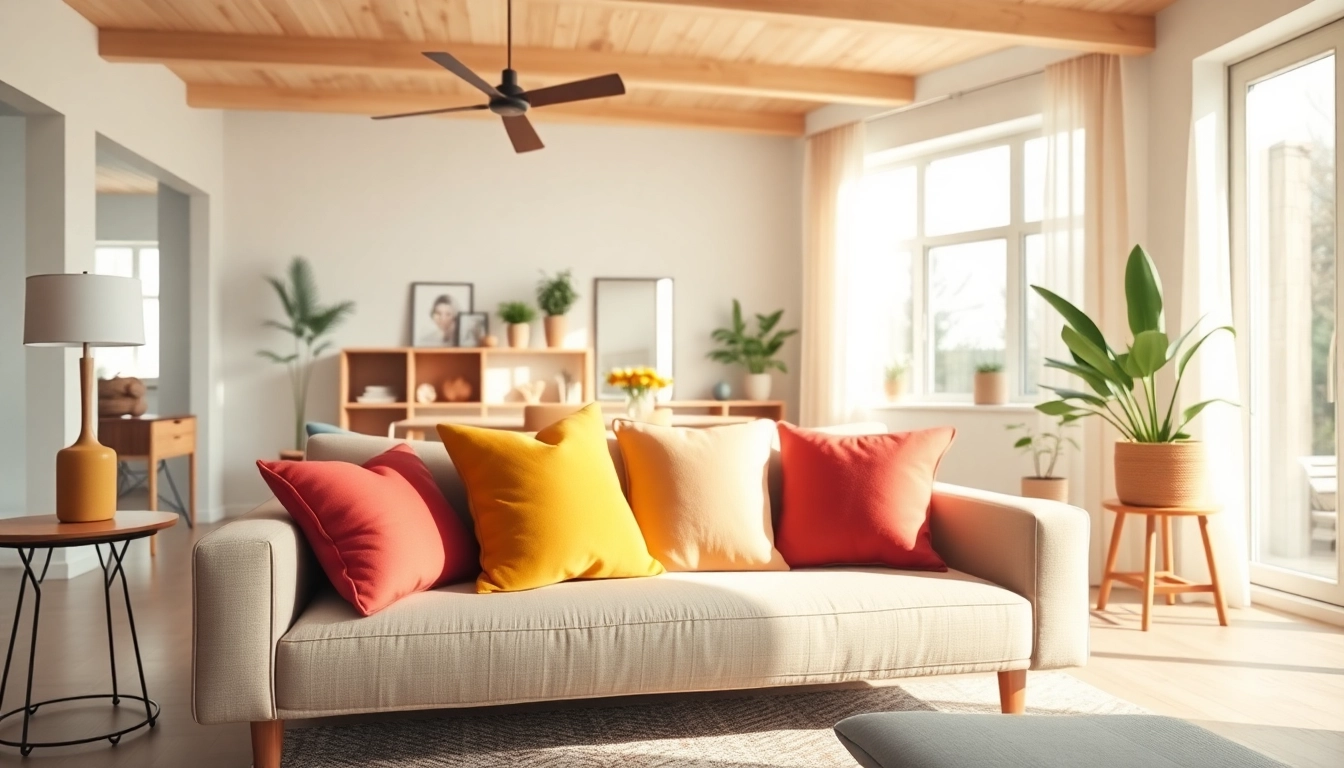
The living room serves as the heart of the home, making it essential to cultivate a warm and inviting atmosphere. Here are some inspirations:
- Statement Walls: Create a focus point using wallpaper or a bold paint color. Pairing it with tasteful artwork can further elevate the overall look.
- Layered Textures: Incorporate a variety of materials—such as soft throws, sleek metal, and rustic wood—to add depth and interest.
- Smart Lighting: Utilize diverse light sources, such as floor lamps, pendant lights, and candles, to create ambiance and adjust the mood depending on the occasion.
Bedroom Comfort Enhancements
The bedroom should be a sanctuary for rest and relaxation. Consider these comfort enhancements:
- Quality Bedding: Invest in high-quality sheets and comforters that invite you to relax. Natural fabrics like cotton and linen are breathable and comfortable.
- Personal Touches: Incorporate personal elements through artwork and photographs that reflect your personality and create a cozy feel.
- Sound & Lighting Control: Use blackout curtains and soundproofing solutions to improve sleep quality by minimizing disturbances from outside.
Kitchen and Dining Spaces
The kitchen and dining areas should be functional yet stylish. Here are key ideas to enhance these crucial spaces:
- Open Shelving: Consider open shelving instead of bulky cabinets to display decorative dishware or prized cookbooks.
- Efficient Layouts: The kitchen triangle—stove, refrigerator, and sink—should provide a seamless workflow for cooking and entertaining purposes.
- Stylish Accent Pieces: Add character with colorful utensils, stylish dining chairs, or unique centerpieces that tie the room together.
Budget-Friendly Decorating Strategies
Decorating doesn’t have to break the bank. Here are some budget-friendly strategies that don't compromise style:
Repurposing Existing Furniture
Before purchasing new furniture, consider repurposing or refinishing existing pieces:
- Paint and Revive: A fresh coat of paint or stain can dramatically transform outdated furniture, making it feel new and in line with your decor scheme.
- Mix and Match: Combine different styles and eras of furniture to create a collected look that is both appealing and budget-conscious.
- Budget Makeovers: Small changes, such as updated hardware or cushions, can breathe new life into furniture items at minimal costs.
Affordable Decorative Accessories
Enhancing a space can be achieved through carefully selected decorative accessories without overspending. Here are tips for finding affordable decorations:
- Thrift Shops and Markets: Hunt for unique decorative items at thrift stores, flea markets, or online marketplaces—often at unbelievably low prices.
- DIY Decor: Create your own decorations with basic craft supplies. Handmade art, throw pillows, or even planters can add personal touches.
- Seasonal Decorations: Invest in seasonal decor that can be stored and reused each year, providing fresh looks with minimal cost.
DIY Projects for Personal Touches
Engaging in DIY projects can not only save money but also add a unique flair to your home:
- Custom Artwork: Create your own wall art using canvas and paint. This allows you to produce pieces that match your aesthetic perfectly.
- Furniture Projects: Transform simple furniture with easy DIY projects such as recovering chairs or creating custom shelves from reclaimed wood.
- Gardening: Start an indoor herb garden in stylish pots to add greenery and practicality to your kitchen or windowsills.
Seasonal Home Decor Adjustments
Adapting your home’s decor seasonally can keep things fresh and exciting without a complete overhaul. Here’s how to adjust your home decor with the seasons:
Spring and Summer Themes
As the weather warms, consider refreshing your indoor spaces to match the brightness outside:
- Bright Colors: Swap dark decor for lighter, brighter hues that reflect the sunny vibe of spring and summer.
- Natural Elements: Incorporate fresh flowers, greenery, and natural materials into your decor to bring the outdoors in.
- Light Fabrics: Change out heavy window treatments and cushions for breezy fabrics like linen and cotton.
Fall and Winter Touches
During the colder months, create a warm and cozy environment:
- Warm Color Palettes: Utilize rich, warm colors such as deep reds, browns, and golds to evoke a sense of comfort.
- Layering Textiles: Add warmth with layers of blankets, throws, and plush area rugs that invite relaxation.
- Seasonal Accents: Integrate seasonal decor such as pumpkins for fall and festive ornaments for winter celebrations.
Creating a Cozy Atmosphere
A cozy atmosphere can be achieved through careful attention to details and personal touches:
- Inviting Lighting: Soft, ambient lighting can transform any space—consider using dimmers, lamps, and candles to create a warm glow.
- Comfortable Furnishings: Ensure seating options are not only stylish but also provide comfort for lounging and entertaining.
- Personal Details: Incorporate family photographs, travel souvenirs, and personal mementos to make your home undeniably yours.
Common Mistakes in Home Decorating
To achieve your design goals, it’s important to avoid common pitfalls. Here are mistakes and tips on how to sidestep them:
Overcrowding Spaces
A common mistake is overcrowding spaces with too much furniture or decor. Avoid this by:
- Prioritizing Functionality: Ensure that all items in a room serve a purpose or bring joy—anything else may contribute to clutter.
- Leaving Empty Space: Allow intentional empty spaces; it helps in visual breathing room and enhances the overall aesthetic.
- Maximizing Floor Plans: Utilize furniture arrangements that promote a clear and open flow without cramming items into every corner.
Ignoring Functionality
While aesthetics are essential, ignoring functionality can lead to design regret. Keep these in mind:
- Assess Traffic Patterns: Analyze how people move through the space and design layouts that support natural traffic flow.
- Multi-Use Solutions: Invest in furniture that can adapt to your needs over time, such as foldable furniture for versatility.
- Daily Needs: Consider your daily routines—ensure that everyday items are easily accessible and that the layout promotes ease of use.
Neglecting Lighting Considerations
Lighting can make or break a space, so don’t overlook it:
- Layering Lights: Use a combination of ambient, task, and accent lighting to achieve a well-lit and functional space without stark shadows.
- Natural Light Optimization: Take advantage of existing natural light—consider window treatments that enhance rather than block it.
- Dimmer Swtiches: Install dimmers to adjust the mood of a space according to the time of day or occasion.
By incorporating these insights into your home design process, you can create a space that’s not only stylish but tailored to your needs and tastes. For additional tips, resources, and decor inspirations, visit https://nugevonden.nl, where you will find a wealth of information to enhance your decorating journey.