Understanding Different Types of Refrigerators
When it comes to selecting a Refrigerator, understanding the various types available on the market is crucial. Each design has its unique features and benefits, tailored to meet specific user needs and kitchen layouts. Let's explore the most common types of refrigerators to help you make the best choice for your home.
Top-Freezer Refrigerators
Top-freezer refrigerators are a classic choice and often considered the most standard refrigerator type. They feature a fresh food compartment at eye level, while the freezer is located above. This design is functional and typically offers ample storage space in both compartments. These units are generally more affordable and energy-efficient compared to some modern styles.
Side-by-Side Refrigerators
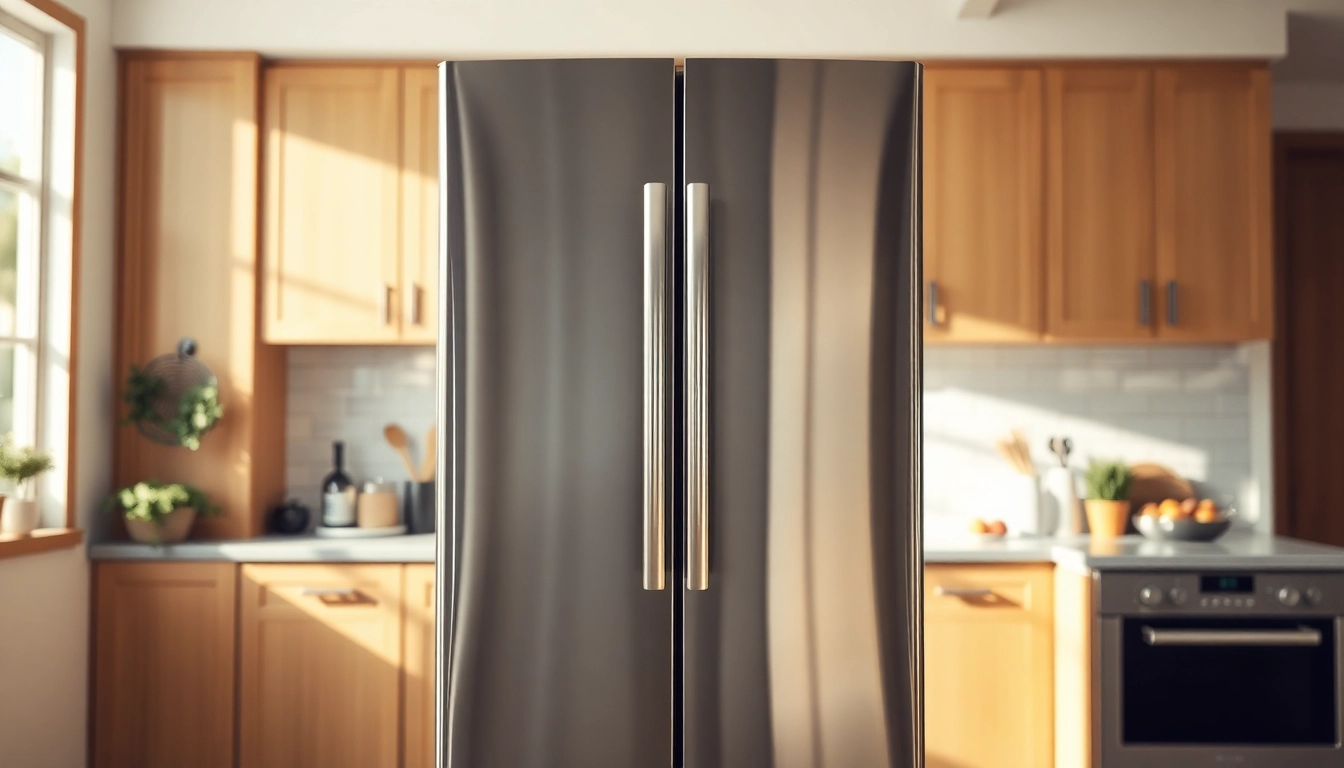
Side-by-side refrigerators offer a modern layout, with the fresh food compartment next to the freezer. This design provides easy access to both sections, allowing users to quickly grab items without bending down. Many models come with features like ice and water dispensers, adjustable shelves, and door-in-door storage. However, they may have less overall food storage space than other types, making careful organization essential.
French Door Refrigerators
French door refrigerators are designed with two doors on the top for the fresh food compartment and a pull-out drawer for the freezer below. This style combines elegance and functionality, often featuring wider shelves and more storage options. They are popular among families due to their spacious nature and advanced features, such as smart technology, customizable cooling zones, and energy efficiency ratings.
Key Features to Consider in a Refrigerator
While the type of refrigerator is important, various features can significantly impact your overall satisfaction and utility. Below are essential features to consider when purchasing a new refrigerator.
Energy Efficiency Ratings
Energy efficiency ratings are crucial in conserving energy and minimizing utility bills. Look for Energy Star certifications, which indicate that the appliance meets energy efficiency guidelines set by the U.S. Environmental Protection Agency. Choosing an energy-efficient refrigerator not only helps the environment but can also save you significant money over its lifespan.
Size and Capacity Options
When selecting a refrigerator, size and capacity are vital. Measure your kitchen space to ensure that the refrigerator will fit without congestion. Additionally, consider your family size. A smaller household may only need a compact model, while larger families will usually require more storage capacity. Standard capacities range from 18 to 30 cubic feet, depending on the model and type.
Smart Features and Technology
Modern refrigerators are increasingly equipped with smart features that enhance convenience. These may include Wi-Fi connectivity, touch screens, and voice control. Smart refrigerators can help you manage your grocery list, provide alerts when food is expiring, and even let you monitor contents via cameras inside the appliance. However, these features usually come at a premium, so evaluate which technologies are worth the investment for your lifestyle.
Installation Guide for Your Refrigerator
Installing a refrigerator properly is essential for optimal performance. Following a guided installation process can prevent potential issues down the line.
Preparing Your Kitchen Space
Before bringing your new refrigerator home, ensure that your kitchen space is prepared. Clear out the area where the appliance will go. Measure the space to ensure the refrigerator fits, leaving room for air circulation, typically around an inch on the back and sides. Also, think about the layout: Ensure that the door can open fully and allow for easy access to shelves and drawers.
Connecting Water and Power Supply
Connecting your refrigerator to the water supply is crucial, especially for models with ice and water dispensers. Most new refrigerators include a water line kit, allowing for straightforward installation. Ensure that your kitchen's water line is easily accessible. Additionally, make sure to connect the refrigerator to a grounded outlet that can handle its power needs. Always adhere to safety regulations during installation.
Ensuring Proper Ventilation
Proper ventilation is essential to maintain the efficiency and longevity of your refrigerator. Ensure there is adequate space behind the unit for airflow. Most refrigerator models require at least an inch of clearance on all sides to prevent overheating and ensure optimal performance. Regularly check for dust buildup on the coils, as this can negatively affect efficiency.
Maintaining Your Refrigerator for Longevity
A well-maintained refrigerator can last over a decade, but regular upkeep is necessary to ensure optimal performance.
Regular Cleaning Tips
Cleaning your refrigerator regularly helps prevent odors and improves efficiency. Wipe down shelves, inside doors, and the exterior with warm soapy water or a vinegar solution. Clear out expired food and spills as soon as they occur. Schedule a deeper clean every few months, including vacuuming the condenser coils to eliminate dust and debris that can affect performance.
Checking Temperature and Efficiency
Monitoring the internal temperature of your refrigerator ensures food safety. The ideal temperature should be between 35°F and 38°F for the fresh food compartment and 0°F for the freezer. Consider investing in a standalone thermometer for accurate readings. Keep in mind that cold air escapes every time you open the door, so minimize this when checking temperatures or storing food.
When to Call a Professional
While some maintenance tasks can be done DIY, others may require professional assistance. If you notice unusual noises, drastic temperature changes, or leakage, it's wise to call a professional technician. They can accurately diagnose and resolve issues before they escalate, helping you avoid costly repairs or appliance replacements.
Common Refrigerator Troubleshooting
Despite proper maintenance, issues may arise with your refrigerator. Knowing how to troubleshoot common problems can save you time and frustration.
Addressing Temperature Issues
Temperature issues are among the most common problems. If your refrigerator is too warm or too cold, first check the thermostat setting. If it's correct, inspect the door seal for wear and tear, as a damaged seal can lead to temperature fluctuations. Additionally, verify that the vents are not obstructed by food items.
Dealing with Noisy Operation
Noisy operation can indicate a problem, but not all sounds are alarming. If you hear rattling, check for loose parts or items rattling inside the fridge. A consistent humming sound is normal, but if it becomes loud or harsh, it might be a sign of a failing compressor or fan. Consider consulting a technician if the noise continues.
Resolving Ice Build-up Problems
Ice buildup in the freezer can hinder airflow and efficiency. Check for blocked vents and ensure the door seals properly. If your refrigerator is equipped with a defrost feature, confirm that it's functioning. Excess humidity in the kitchen can also contribute to ice formation, so consider adjusting the temperature or humidity level.
FAQs
What size Refrigerator should I buy for my kitchen? Consider your space, family size, and storage needs for optimal selection.How often should I clean my Refrigerator? Regular cleaning every few months is ideal to maintain hygiene and efficiency.What features make a Refrigerator energy-efficient? Look for Energy Star ratings and features like LED lighting and efficient compressors.How can I troubleshoot a noisy Refrigerator? Check for loose parts, level the refrigerator, or move items causing vibration.When should I consider replacing my Refrigerator? If it’s over 10 years old, inefficient, or failing to keep food cold, it might be time to replace.