Understanding Custom Laser Design
What is Custom Laser Design?
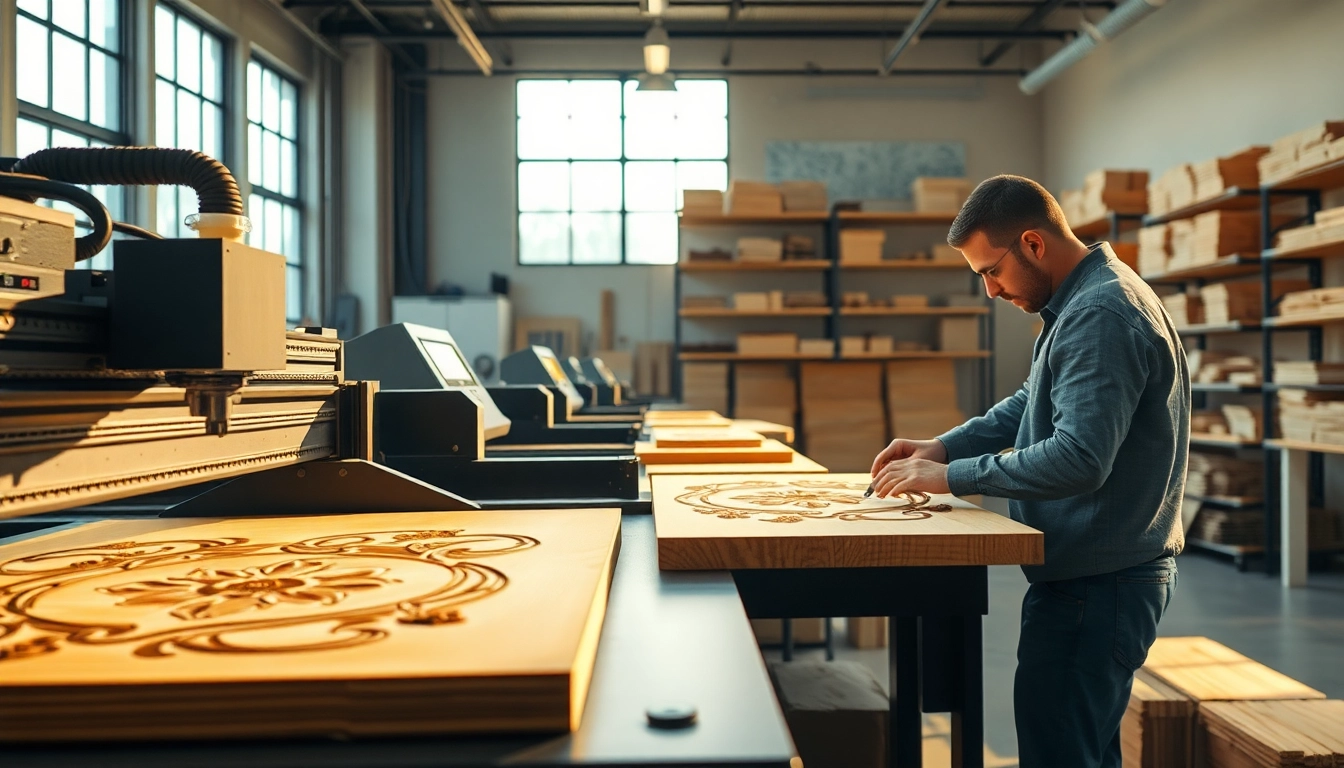
Custom laser design refers to the process of using advanced laser technology to create intricate designs and precise cuts on various materials. By harnessing focused beams of light, designers can engrave, cut, and mark a wide array of substrates, including wood, metal, acrylic, and glass. This technology allows for unparalleled detail and customization in design projects. From personalized gifts to industrial applications, the versatility of custom laser design is transforming how we create personalized artifacts and products on demand.
Key Materials Used
In custom laser design, the choice of material is crucial, as it determines the techniques and results achievable. The most commonly used materials include:
- Wood: Ideal for engravings and decorative designs, wood offers a broad spectrum of textures and colors.
- Acrylic: Known for its clarity and durability, acrylic is versatile for both cutting and engravings.
- Metals: Types like aluminum and stainless steel can be effectively cut or engraved, valuably used in awards and tools.
- Glass: Perfect for gifts and decorative pieces, laser engraving on glass can create stunning effects.
- Fabric: Custom designs on textiles offer personalization in fashion, home decor, and promotional products.
Applications Across Industries
The applications of custom laser design span numerous industries, showcasing its adaptability and innovation. Here are notable applications:
- Manufacturing: Used for precise cuts and engravings in parts for machinery and equipment.
- Fashion and Art: Suitable for creating custom patterns and personalized clothing or artworks.
- Promotional Products: Businesses utilize laser designs for promotional items and branded merchandise.
- Architectural Models: Architects can produce accurate prototypes for presentations and project discussions.
- Gifts and Personalization: Custom designs for personal gifts such as awards, plaques, or commemorative items.
Key Techniques in Custom Laser Design
Laser Cutting vs. Engraving
Laser cutting and engraving are two fundamental techniques in custom laser design that yield different outcomes:
- Laser Cutting: This involves using a laser beam to cut through materials, producing clean and precise edges. It's ideal for creating shapes and components.
- Laser Engraving: In this technique, the laser removes material to engrave text or images onto a surface, resulting in a recess. Engraving enhances visual appeal and delivers durability.
Adjusting Power and Speed Settings
The performance of a laser engraver or cutter drastically hinges on settings of power and speed. Finding the perfect balance ensures optimal cutting depth and clarity in engraving. Here's how:
- Power: Adjusting power affects the intensity of the laser; higher power is essential for thick materials while lighter power suits delicate tasks.
- Speed: Slower speeds often yield deeper cuts or more intricate engravings, whereas faster speeds minimize material melting.
Creating Custom Templates and Patterns
Designers can create unique templates for laser cutting or engraving by utilizing computer-aided design (CAD) software. Templates streamline production, facilitate intricate designs, and enhance efficiency. Additionally, by leveraging vector images, designers can ensure compatibility with laser machinery.
Tools and Software for Custom Laser Design
Essential Hardware Requirements
Investing in quality hardware is essential for successful custom laser design. Fundamental components include:
- Laser Machine: Selecting the appropriate laser system based on specific needs (power, cutting vs. engraving capabilities).
- Ventilation System: Essential for safely expelling smoke and fumes generated during cutting and engraving.
- Computer System: A reliable computer to run design software and control the laser machine.
Recommended Design Software
Several software programs can enhance the capabilities of custom laser design:
- Adobe Illustrator: A favorite among designers for creating vector graphics that work seamlessly with laser machines.
- CorelDRAW: Known for its user-friendly interface, this software is favored for creating intricate designs.
- Inkscape: A free, open-source vector graphics editor that provides essential tools for designing laser-cut files.
Integrating Technology for Precision
Utilizing technology bridges the gap between design and execution. Features such as laser scanners allow for precise replication of objects. Additionally, integrating software that reads file formats directly improves workflow efficiency, ensuring fidelity to the original design.
Best Practices for Custom Laser Design Projects
Planning Your Design Workflow
A well-planned design workflow increases efficiency and minimizes errors. Steps include:
- Initial Consultation: Understand client requirements and material constraints.
- Concept Development: Create sketches or 3D models to visualize the final product.
- Prototyping: Build an initial prototype to identify potential issues before full production.
Quality Control Measures
Maintaining quality is essential in custom laser design. Implement regular checks, such as:
- Material Inspection: Ensure materials meet the required specifications before use.
- Calibration of Equipment: Regularly calibrate the laser machine for precision cutting and engraving.
- Final Product Review: Inspect all completed designs to confirm they meet client expectations.
Meeting Client Expectations
Effective communication is key to understanding and meeting client expectations. Regular updates and involving clients in the design process can foster trust and satisfaction.
Future Trends in Custom Laser Design
Emerging Technologies to Watch
The landscape of custom laser design is continually evolving, with emerging technologies enhancing capabilities, such as:
- Higher Power Lasers: Empower greater efficiency in material processing, accommodating thicker materials.
- 3D Laser Printing: Combines traditional CAD with laser technology for innovative design approaches.
Sustainability in Laser Design Practices
As the world moves towards sustainability, so does custom laser design. Using eco-friendly materials and minimizing waste during the production process are becoming standard practices. Manufacturers are exploring biodegradable options and energy-efficient machinery to align with environmental goals.
Adapting to Market Demands
Fast-paced market demands require designers to be agile. Producers can meet needs by focusing on speedier turnarounds coupled with personalized offerings. Adapting designs to cater to niche markets heralds a new era of opportunity.
Frequently Asked Questions (FAQs)
1. What materials can be used for custom laser design?
Common materials include wood, acrylic, metals, glass, and fabric. Each material has unique properties that affect the cutting or engraving process.
2. Is laser engraving permanent?
Yes, laser engraving is a permanent process as it alters the material's surface. It is ideal for products requiring durability and longevity.
3. How do I choose between laser cutting and engraving?
Choose laser cutting for full shapes or components, and opt for laser engraving for detailed designs, logos, or text on surfaces.
4. Can I use my own designs for laser cutting?
Absolutely! Custom designs can be created using software, making it easy to produce personalized items tailored to preferences.
5. What industries benefit from custom laser design?
Multiple industries benefit, including manufacturing, fashion, architecture, and promotions, highlighting the technology's versatility.