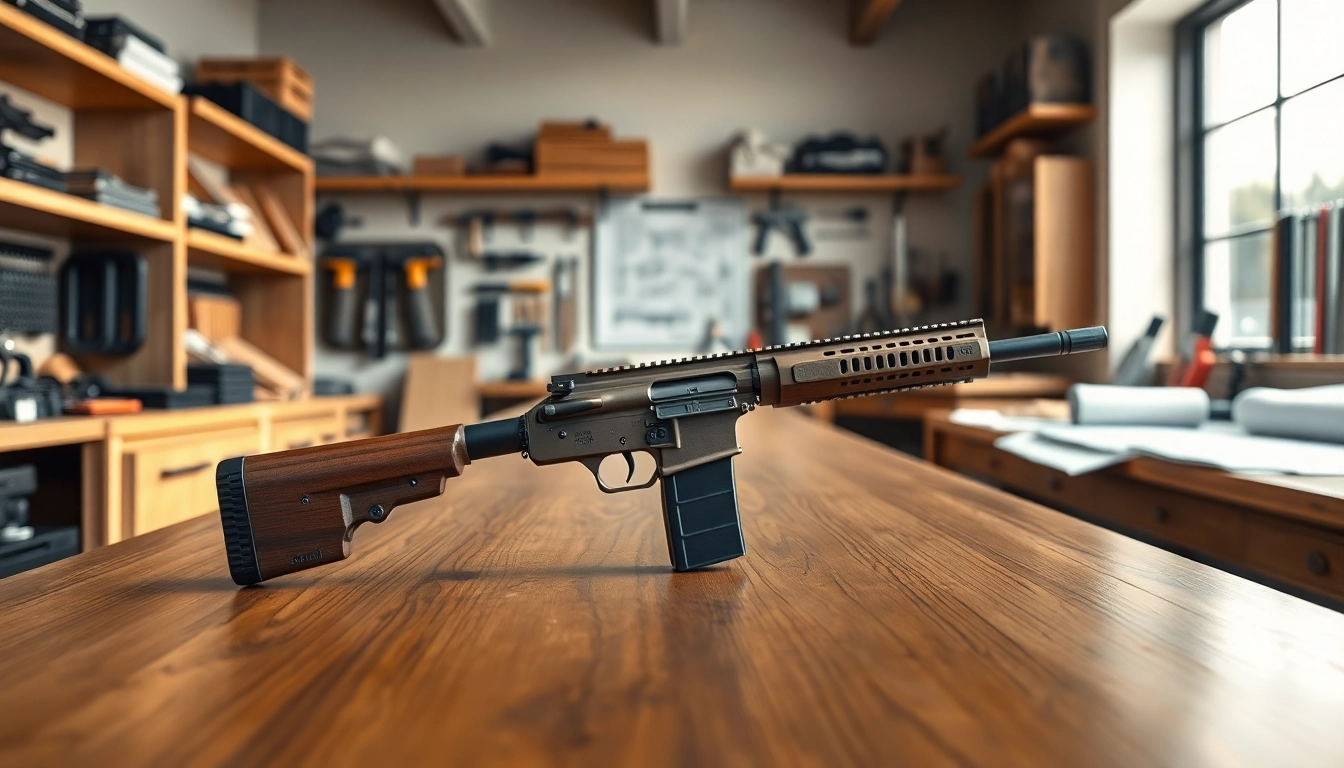
Introduction to AR 10 Trigger Mechanics
The ar 10 trigger is a crucial component in any rifle system that influences its overall functionality and performance. Understanding the mechanics behind the AR 10 trigger is vital for enthusiasts looking to optimize their firearm, whether for competitive shooting, tactical applications, or recreational use. This article delves into the intricacies of AR 10 trigger mechanics, exploring its components, variations, and the impact on shooting performance.
Overview of AR 10 Trigger Components
At its core, the AR 10 trigger assembly includes several key components: the trigger, hammer, disconnector, and springs. Each part plays a unique role in determining the feel and functionality of the trigger pull.
- Trigger: The part that the shooter pulls. It is often designed for ergonomics and comfort.
- Hammer: This component strikes the firing pin once the trigger is pulled, igniting the cartridge.
- Disconnector: It ensures that the rifle fires only once per trigger pull by temporarily disconnecting the hammer from the trigger as it resets.
- Springs: These components control tension and stability, affecting trigger pull weight and overall responsiveness.
How Trigger Mechanics Affect Performance
The performance of an AR 10 is largely dictated by its trigger mechanics. A smoother, lighter trigger pull can significantly enhance accuracy and speed, enabling shooters to make quick, precise shots. Conversely, a heavier or gritty trigger can hinder performance, leading to fatigue over extended use or decreased shot placement precision. Factors such as creep, over-travel, and reset distance must also be considered in understanding trigger performance.
Common Variations in AR 10 Triggers
AR 10 triggers come in various designs and configurations, including:
- Mil-Spec Triggers: Standardized triggers that focus on reliability over performance enhancements.
- Match Triggers: Designed for precision shooting, these triggers typically feature lighter pull weights and refined mechanics.
- Two-stage Triggers: These provide a longer initial pull that allows shooters to effectively gauge their trigger pressure before the final break.
- Single-stage Triggers: Offer a direct pull with no initial travel, suitable for quick shooting applications.
Selecting the Right AR 10 Trigger
Choosing the right AR 10 trigger requires careful consideration of various factors that can influence shooting performance and comfort. The following sections will guide you through essential points to keep in mind when making a selection.
Factors to Consider When Choosing
When selecting an AR 10 trigger, consider the following factors:
- Pull Weight: This is a critical factor, as it influences how hard you must pull the trigger. Light triggers can enhance accuracy but may also lead to accidental discharges if not managed properly.
- Travel Distance: The distance the trigger must move before firing can impact your shooting speed and accuracy.
- Material Quality: The construction materials can affect durability and smoothness. Look for triggers made from high-quality materials like stainless steel or hardened alloys.
- Ease of Installation: Some triggers require professional installation, while others are designed for easy DIY installation.
Comparing Trigger Types and Brands
With a plethora of trigger types and brands available, it’s essential to compare their characteristics. Each brand will often have proprietary designs that may cater to different shooting styles. Reading user reviews and feedback can help gauge the real-world performance of these triggers. Consider conducting tests, if possible, to ensure compatibility with your specific shooting needs.
Budget Considerations for Quality Triggers
The cost of AR 10 triggers can vary significantly, from budget-friendly options to high-end custom solutions. While price does not always indicate quality, investing in a well-reviewed trigger can lead to enhanced performance and satisfaction. Budget should align not only with the trigger cost but also with potential long-term benefits, including improved accuracy and reduced fatigue during extended shooting sessions.
Installation and Setup of the AR 10 Trigger
Once you've selected the ideal AR 10 trigger, the next step involves installation. Proper installation ensures optimal function and reliability of your trigger system. Below are the essential tools and a step-by-step guide to installing an AR 10 trigger.
Tools Needed for Installation
Before starting the installation process, gather the following tools:
- Armorer's wrench
- Screwdriver set
- Punch set
- Pliers
- Vise for stabilization
- Safety glasses
Step-by-Step Installation Guide
- Unload the Weapon: Ensure your AR 10 is completely unloaded, removing any rounds from the chamber and magazine.
- Remove the Upper Receiver: Detach the upper from the lower receiver using the takedown pins.
- Take Off the Grip: Unscrew the grip to access the trigger mechanism.
- Remove the Trigger Assembly: Carefully punch out the pins holding the trigger assembly in place.
- Install the New Trigger: Reverse the disassembly steps, placing the new trigger in position.
- Replace the Grip: Secure the grip back in place after double-checking the trigger's alignment.
- Reassemble the Rifle: Attach the upper receiver back on the lower and perform a function check before testing.
Adjusting Trigger Pull Weight
Adjusting the trigger pull weight can enhance your overall shooting experience. Most adjustable triggers come with settings that can accommodate various preferences. The user manual will detail how to adjust the spring tension to achieve the desired weight. Regular testing with a trigger pull gauge is recommended to ensure accuracy and safety when making adjustments.
Fine-tuning Your AR 10 Trigger
Fine-tuning the AR 10 trigger can drastically improve shooting performance. Fine-tuning includes various techniques that enhance trigger feel and reliability, making your shooting experience smoother and more controlled.
Techniques for Trigger Smoothing
To achieve a smoother trigger pull, consider the following techniques:
- Polishing Components: Carefully polish the trigger, hammer, and contact surfaces to reduce friction.
- Deburring Parts: Remove any rough edges that can contribute to a gritty feel during operation.
- Using Lubricants: Apply high-quality gun oil or lubricant on moving parts to ensure fluid movement.
Replacing Springs for Enhanced Performance
Many AR 10 triggers can benefit from spring replacements. Upgrading to lighter springs can reduce pull weight while maintaining trigger reliability. Always opt for springs designed specifically for your trigger model to avoid compatibility issues and ensure optimal performance.
Tuning for Precision Shooting
For precision shooting, a few specific tuning methods can be used:
- Testing Various Pull Weights: Experiment with different pull weights to find the optimal pressure for your shooting style.
- Fine-tuning Travel and Reset: Adjusting the travel and reset distances can make the trigger response feel more intuitive, enhancing shooting speed and accuracy.
Performance Metrics and Testing
To understand how well your trigger is performing, establishing clear performance metrics is essential. This section discusses how to evaluate your trigger setup effectively.
Evaluating Your Trigger Setup
To evaluate your trigger setup accurately, conduct systematic assessments using these metrics:
- Trigger Pull Weight: Measure using a trigger gauge for consistency.
- Travel Distance: Assess the trigger's travel distance before it disengages.
- Reset Distance: Measure the distance before the trigger engages again after firing.
Benchmarking Against Industry Standards
Compare your trigger performance against industry benchmarks. This can involve reviewing specifications for various trigger types and their intended use cases. Engaging with shooting communities and forums can also provide insight into variables that define good performance, such as average pull weights across various trigger types.
Documenting Performance Improvements
Tracking improvements in performance is crucial for long-term assessment. Keeping a log that documents your experiences before and after trigger installation or tuning can reveal important patterns. Metrics such as accuracy, consistency, and comfort can help identify the effectiveness of any adjustments made.
FAQs
What is the ideal pull weight for an AR 10 trigger?
The ideal pull weight varies by shooting style but typically ranges between 3 to 5 pounds for general use. Precision shooters may prefer lighter setups around 2 to 3 pounds.
Can I install an AR 10 trigger myself?
Yes, if you have the right tools and follow a clear guide, installing an AR 10 trigger can be a straightforward DIY task. However, if you're unsure, consider seeking professional help.
How often should I clean my AR 10 trigger?
Cleaning your AR 10 trigger should be part of your regular maintenance routine. Ideally, it should be cleaned after each use to ensure optimal performance and longevity.
What are the signs of a malfunctioning trigger?
Common signs include a gritty feel, inconsistent pull weight, failure to reset properly, or misfires. Any of these issues warrant immediate inspection and possible replacement.
Is a two-stage trigger better for precision shooting?
Two-stage triggers can be advantageous for precision shooting, as they allow shooters to engage the first stage without firing. This can enhance trigger control and accuracy during critical shots.