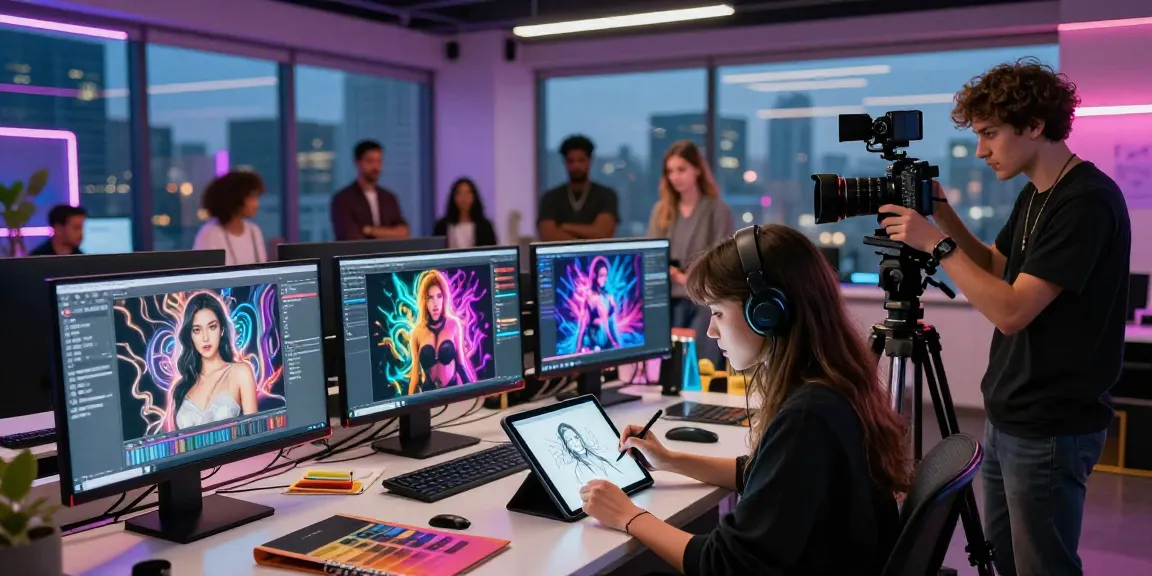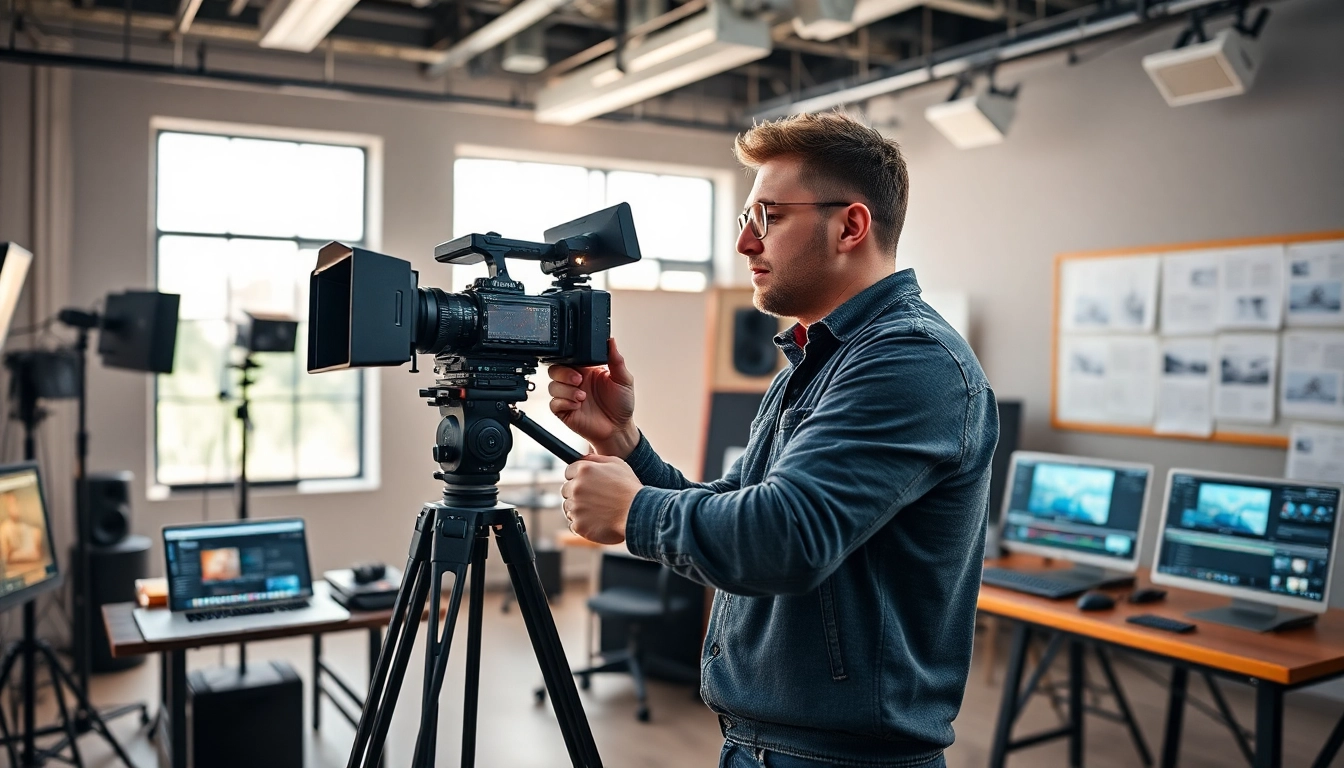
Understanding Video Production Fundamentals
What is Video Production?
Video production is the comprehensive process of creating video content for various purposes, ranging from entertainment to education. Unlike traditional filmmaking, which often involves scripted narratives and extensive editing, video production encompasses a broader scope that includes everything from live broadcasts to art films. In essence, video production can be categorized into several distinct phases, each contributing to the final piece. These phases include planning, scripting, filming, editing, and distributing. As the demand for credible visual content grows in business and personal spheres, understanding these fundamentals is becoming increasingly essential.
Key Phases of Video Production
The process of Video Production can be divided into five distinct phases:
- Pre-Production: This stage involves the initial planning and organization of the project. It includes writing the script, creating budgets, scheduling shoots, and assembling the production crew.
- Production: This is the actual filming stage where all the planned scenes are filmed. Proper lighting, sound, and camera work are critical during this phase.
- Post-Production: After filming, this stage focuses on editing the raw footage into a polished piece. It encompasses video editing, sound design, and adding effects or graphics.
- Distribution: Once the video content is finalized, it needs to be distributed through appropriate channels, whether it’s for streaming platforms, social media, or live television.
- Analysis: Evaluating the video’s performance is crucial. Metrics such as views, engagement, and audience feedback help in improving future projects.
Essential Equipment for Video Production
The equipment used in video production can significantly impact the quality of the final product. Here’s a rundown of essential equipment:
- Cameras: Whether using a professional DSLR or a smartphone, the choice of camera will set the tone for your video.
- Microphones: Good audio equipment is essential for quality sound; shotgun mics and lavalier mics are popular choices.
- Lighting: Proper lighting can enhance video quality. Softbox lights and LEDs are commonly used to achieve the desired ambiance.
- Tripods and Gimbals: Stabilization equipment helps eliminate shaky footage, providing a smooth viewing experience.
- Editing Software: Programs like Adobe Premiere Pro and Final Cut Pro are industry standards for post-production editing.
Planning Your Video Production
Creating a Compelling Script
The script is the backbone of any video production. It's essential to write a script that captures attention and communicates the desired message clearly. Begin by considering the target audience and the video's purpose. Is it meant to educate, entertain, or sell? Utilize storytelling techniques to engage viewers:
- Hook: Start with a strong hook to grab the viewer's attention within the first few seconds.
- Body: Present the main message with supporting details. Clarity and conciseness are paramount.
- Conclusion: Conclude with a clear call to action to encourage further engagement.
Storyboarding for Success
Storyboarding is an invaluable visual planning tool in video production. It involves sketching out the video’s scenes, framing each shot and ensuring a smooth flow of visuals and dialogue. A detailed storyboard serves multiple purposes:
- Visualizes the script, helping identify the necessary shots and angles.
- Facilitates better communication with the production crew by providing clear guidance.
- Identifies transitions, special effects, and other elements to enrich the story.
Setting a Budget for Video Production
Creating a budget is critical in video production, as it helps manage resources effectively. Consider all potential costs, including equipment rental, crew salaries, location fees, and post-production expenses. A well-structured budget allows for an effective allocation of funds and can minimize financial surprises. Additionally, always allocate a contingency fund for unexpected expenses, often around 10% of the total budget.
Executing the Production Process
Choosing the Right Location
The shoot location can significantly affect the video’s overall impact. Whether shooting in a studio or on location, consider these factors:
- Relevance: The setting should align with the video’s theme and enhance the story.
- Accessibility: Ensure the location is easily accessible for crew and equipment.
- Permits: Some locations may require permits; research and secure these in advance to avoid disruptions.
Working with a Production Crew
A talented production crew can elevate a video project significantly. Your team may include directors, camera operators, script supervisors, and other specialized roles. Clear communication and collaboration among the team are essential for a seamless production process. Hold regular meetings to ensure everyone is on the same page and to address any challenges that may arise.
Capturing Quality Footage
Effective shooting techniques lead to high-quality footage. Here are essential tips for capturing great visuals:
- Framing: Use the rule of thirds to create visually appealing shots. This technique helps to draw attention to key elements in the frame.
- Camera Movement: Incorporate movements like pans, tilts, and tracking shots to add dynamism to your recordings.
- Lighting: Always monitor and adjust lighting to ensure subjects are well-lit and shadows are managed.
Post-Production Techniques
Video Editing Essentials
Editing is where the magic happens, transforming raw footage into a narrative. During the editing phase, consider the following:
- Cutting: Remove unnecessary footage to keep the video tight and engaging.
- Transitions: Utilize transitions wisely to maintain the flow of the video without distracting the viewer.
- Color Correction: Adjust colors and exposure to enhance the visual appeal and consistency of the footage.
Incorporating Sound and Music
Audio plays a critical role in video production. Ensure the audio tracks align with the visuals, enhancing rather than overshadowing the message. Consider including:
- Background Music: Choose music that matches the tone of your video, adding another layer of emotion.
- Sound Effects: Incorporate sound effects to accentuate actions or transitions.
- Voice Over: Use clear and professional voiceovers to guide viewers through the narrative.
Final Touches and Quality Control
Conduct thorough reviews before finalizing any video. Pay attention to details, including pacing, audio levels, and overall coherence. It’s beneficial to obtain feedback from a fresh set of eyes; consider holding a focus group or asking colleagues for their thoughts. Make necessary adjustments based on constructive feedback to enhance quality.
Enhancing Your Video Production Skills
Analyzing Successful Video Case Studies
Learning from successful case studies can provide valuable insights. Analyze what makes certain videos successful, whether it’s their storytelling, production quality, or marketing strategies. Identify the techniques utilized and consider how you can apply similar principles to your projects.
Continuing Education and Workshops
Video production is an evolving field. Staying updated with the latest trends, tools, and techniques can greatly improve your work. Consider participating in workshops, online courses, or conferences to further develop your skills. Networking with other professionals can also provide insights and opportunities for collaboration.
Adapting to Emerging Video Trends
As technology evolves, so does the realm of video production. Trends such as interactive videos, live streaming, and 360-degree content are gaining traction. Staying adaptable and open to innovation can help you keep your skills relevant and engaging. Continuously experiment with new styles and formats to discover what resonates best with your audience.