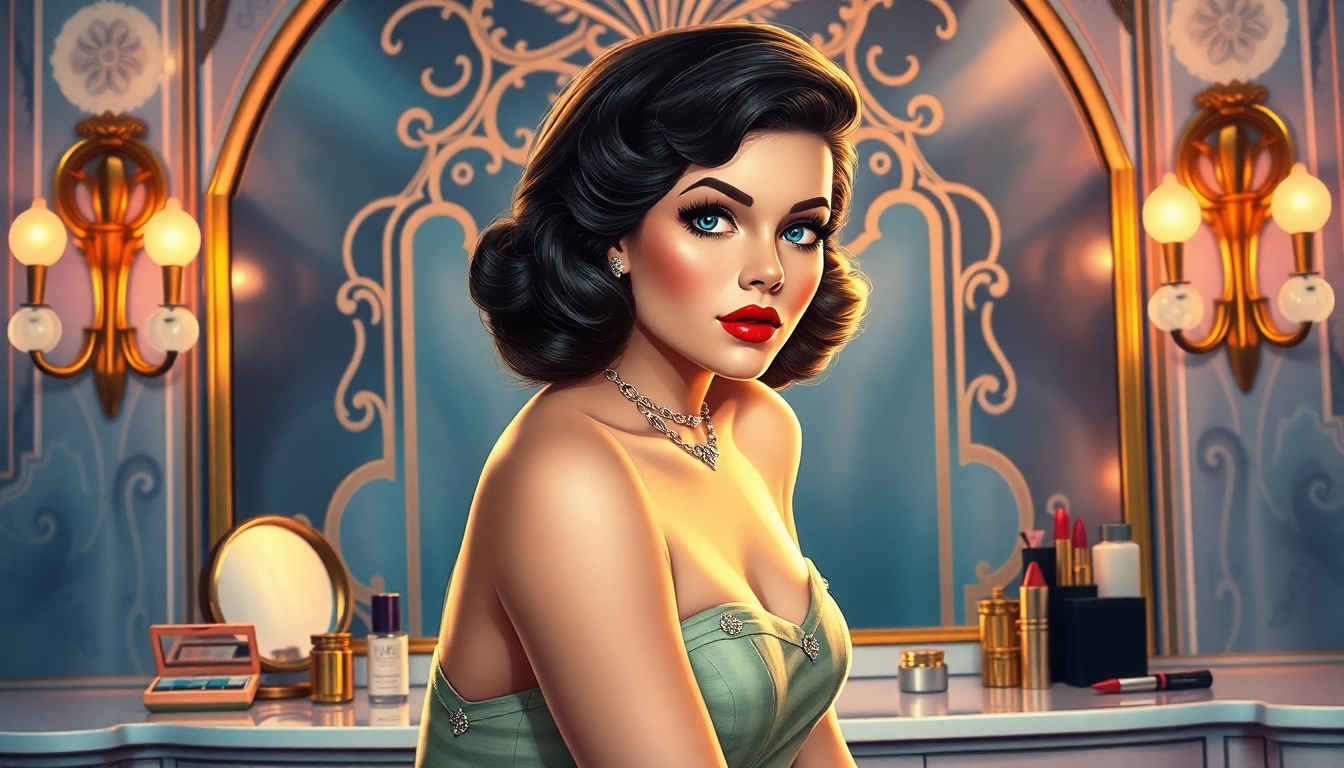
The Legacy of Vargas and His Pin-Up Art
Alberto Vargas, a name synonymous with glamour and femininity, revolutionized the portrayal of pin-up art in the early 20th century. His "Varga Girls," characterized by their alluring beauty and exquisite detail, captured the imagination of many during their time, leaving an indelible mark in the realms of art and popular culture. Vargas’s illustrations were not just images; they were cultural icons that embodied a specific type of fantasy, one that resonated deeply within the sociopolitical context of the era. For those looking to delve further into the fascinating world of Vargas, information can be found at https://www.esquirevargas.com.
Origins of the Vargas Girl Concept
The inception of the Vargas Girl can be traced back to the initial contributions of Alberto Vargas to Esquire magazine, where he first showcased his artistic prowess. His unique approach involved capturing the essence of femininity through hyperrealistic portrayals that blended ideal beauty with sophistication. Vargas’s art was distinct for its incorporation of ethereal qualities—luminous skin tones, exaggerated forms, and dreamy expressions—elements that were unmatched by his contemporaries.
Vargas's background as an illustrator played a significant role in shaping his style. Hailing from Peru, he brought a fresh perspective to American art, marrying European artistic traditions with American pop culture. During World War II, pin-up art surged in popularity, becoming a morale booster for soldiers. Vargas's women were designed to embody the fantasies and ideals that soldiers would yearn for during long bouts of separation from home.
Impact on Popular Culture and Media
The allure of the Vargas Girl transcended the pages of Esquire; it pervaded numerous facets of popular culture. Vargas's illustrations have inspired countless pieces of media—from film posters to album covers, and even fashion. The Varga Girl became an archetype of feminine charm, embraced during a time when women were just beginning to assert greater rights and roles in society.
Today, the legacy of Vargas lives on, with contemporary artists taking inspiration from his work. His impact can be observed in the resurgence of pin-up culture—carried by tattoo enthusiasts, vintage revivalists, and internet influencers who honor and reinterpret his iconic depictions. The aesthetic of the Vargas Girl continues to symbolize an idealized elegance that captivates audiences even decades after its initial introduction.
Vargas' Techniques and Distinctive Style
Alberto Vargas was a master of various artistic techniques, which contributed to the trademark allure of his work. His unique blend of airbrush painting and watercolor gave his illustrations an almost surreal quality. The artful gradients and meticulous attention to detail he employed allowed him to create a sense of depth and texture that many artists struggled to achieve.
Moreover, Vargas adeptly utilized lighting and shading to create volume in his subjects, a technique that not only enhanced the three-dimensionality of his figures but also highlighted their sensuality. His works were often layered, with translucent overpainting that added luminosity to skin tones; this attention to hydration of color effectively emphasized the fantasy aspect of his compositions.
Artistic Techniques: The Craft Behind the Glamour
Materials and Methods Used by Vargas
The materials employed by Vargas were critical to achieving his signature style. He primarily worked with airbrushes, oil paints, and watercolors to develop images that were fluid and rich in color. Vargas often experimented with different mediums, pushing the boundaries of conventional pin-up art. His choice of substrates—ranging from paper to canvas—was equally varied, allowing for different displays and presentations of his work.
One notable technique was his layering approach. Vargas didn't merely apply flat colors; rather, he built depth through multiple transparent layers, a method that not only added texture but also enhanced the ethereal quality of his subjects. This intricate process set a standard for future pin-up artists, forcing them to adapt and innovate in order to compete with Vargas's mesmerizing style.
Color Theory and Composition Choices
Vargas’s mastery of color theory played a pivotal role in each piece he produced. He strategically chose colors that complemented each other, often relying on pastels and vibrant hues to accentuate the surreal beauty of his work. His use of complementary colors created a dynamic and inviting visual impact, capable of drawing viewers into his dreamy worlds.
In terms of composition, Vargas frequently employed asymmetrical balance, where the arrangement of his subjects added a lively and dynamic flow to the pieces. His figures were often placed against lush backgrounds—nature scenes or elegant interiors—that accentuated their allure without overwhelming the viewer's focus. This technique preserved enough negative space while asserting the central figures, giving prominence to the Vargas Girl in her harmonious setting.
Modern Adaptations and Influences
The influence of Vargas's art is palpable in contemporary culture, where the aesthetic of the Vargas Girl is reinterpreted through various media. Modern illustrators and graphic designers draw inspiration from his style, often re-creating the soft yet striking visuals that are hallmark traits of his work. Social media platforms are awash with tributes and reinterpretations of Vargas’s images, underscoring the timeless appeal of his art.
Moreover, Vargas's techniques have found their way into fashion photography and advertising, showcasing stylish models using light to create an almost Vargas-like softness. This melding of past art with contemporary trends highlights not only Vargas’s lasting impact but also the way in which artistic expressions can evolve and inform future generations.
Collecting Vargas Artwork: A Guide for Enthusiasts
Understanding the Market Value
As collectibles, Vargas originals hold significant value, influenced by various factors such as condition, provenance, and historical context. In the realm of pin-up art, rarity often enhances appeal; limited editions or unique pieces can command particularly high prices. While assessing Vargas works, collectors should consider the popularity of specific illustrations, especially those prominently featured in Esquire magazine or well-documented in art history.
The market for Vargas art continues to grow, with demand ensuring that prices remain vibrant. Auctions frequently showcase Vargas art, often fetching impressive amounts. Understanding the market requires collectors to be informed about current trends, evaluating how new adaptations influence nostalgic preferences in aesthetic appreciation.
Types of Vargas Collectibles Available
Collectors can find a diverse range of Vargas-related items, from original paintings and prints to vintage calendars and magazines featuring his illustrations. Each category offers unique insights into Vargas's creative evolution and the cultural climate of his time.
- Original Paintings: The most sought-after pieces, valued for their authenticity and historical significance.
- Art Prints: Reproductions that allow fans and collectors to own a piece of Vargas's legacy at a more accessible price.
- Calendars: Vintage calendars, especially those from the 1940s, are popular as they showcase entire collections of his work.
- Magazines: Issues of Esquire that originally featured Vargas illustrations are highly collectible, particularly if they contain centerfolds.
Care and Conservation of Vintage Art
Proper care and conservation of Vargas artwork are crucial for preservation and value retention. Collectors should aim to store pieces in climate-controlled environments, protecting them from direct sunlight, moisture, and extreme temperatures that can cause deterioration.
Additionally, using UV-filtering glass when framing can protect the artwork from fading. Regularly inspecting collected pieces for signs of damage or wear allows for timely repairs, preventing further deterioration. Engaging with professional art conservators can help collectors maintain the integrity of their artworks, ensuring that these pieces remain cherished treasures for future generations.
Vargas and Feminine Idealism: Societal Reflections
Changing Perspectives on Beauty Standards
The portrayal of women within Vargas's art reflects broader societal attitudes towards beauty and femininity. The idealism represented by the Vargas Girl often served as a counter-narrative to evolving perceptions of women's roles in society, particularly during the mid-20th century.
Vargas's women were celebrated for their allure while also embodying strength and independence—a subtle play on the traditional feminine archetype. This duality allowed them to resonate with audiences yearning for more than mere visual appeal; they symbolized a sense of empowerment during a period when women were beginning to challenge conventional roles.
Vargas Girls in Contemporary Contexts
The enduring allure of Vargas's art speaks volumes about its relevance in contemporary times. The ideals of beauty presented through Vargas Girls are frequently revisited, adapted, and discussed within modern feminism. Variations of the Varga Girl appear in fashion, art, and media, serving as a catalyst for discussions regarding women's representation.
Contemporary artists and influencers utilize the essence of Vargas's work to advocate for a broader understanding of beauty—a shift towards recognizing diversity and authenticity within femininity that reflects today's social issues. Vargas Girls are often re-envisioned to counter stereotypes and embrace individuality.
The Role of Pin-Up Art in Gender Discourse
Pin-up art, particularly the works of Vargas, serve as significant markers in the discourse on gender and art. While some may argue that Vargas’s portrayal objectifies women, it is equally plausible to view his art as a celebration of female sensuality that empowers rather than degrades. It opens a dialogue about the paradox of beauty standards and the expectations placed on women throughout history.
This dialogue is crucial in understanding how pin-up art influences, and is influenced by, societal norms. Vargas's art invites viewers to reflect on past representations of femininity, ethereal aspirations versus real-world complexities, and the evolving narrative of women's empowerment in artistic realms.
Engaging with Vargas: Resources and Communities
Online Platforms for Vargas Art Enthusiasts
Multiple online platforms and social media networks offer spaces for Vargas enthusiasts to share, discuss, and celebrate his work. Various communities have formed around vintage art appreciation, fostering connections among collectors, artists, and fans.
These platforms often provide access to galleries, forums, and marketplaces where individuals can discover both original and reproduced works, facilitating a rich dialog around Vargas's legacy. Forums for discussion help enthusiasts exchange knowledge and tips on collecting and preserving art in addition to sharing personal insights on Vargas's impact.
Visiting Museums Featuring Vargas Works
For collectors and fans alike, visiting museums that showcase Vargas's work presents an invaluable opportunity to experience the vibrancy and intricacies of his art firsthand. Major exhibitions frequently feature Vargas's paintings, contributing to a growing recognition of his influence and craft.
During museum visits, attendees can engage in discussions with docents and art historians, gaining deeper insight into Vargas's techniques, themes, and the socio-political context surrounding his work. Many museums also host events aimed at educating the public about pin-up art evolution, offering workshops, lectures, and more.
Connecting with Fellow Collectors and Fans
Networking with fellow collectors and fans is vital for those wishing to cultivate a deeper appreciation for Vargas's contributions. Joining local art society chapters or attending collector fairs can provide opportunities for personal connections to be made, expanding one’s social circle while nurturing a shared passion.
Additionally, engaging in correspondence with fellow enthusiasts on social media forms a digital community that can serve as a support system for information sharing and organizing joint exhibitions. Networking facilitates the exchange of tips on preservation techniques, the latest market trends, and invaluable resources for continued education on Vargas's legacy.