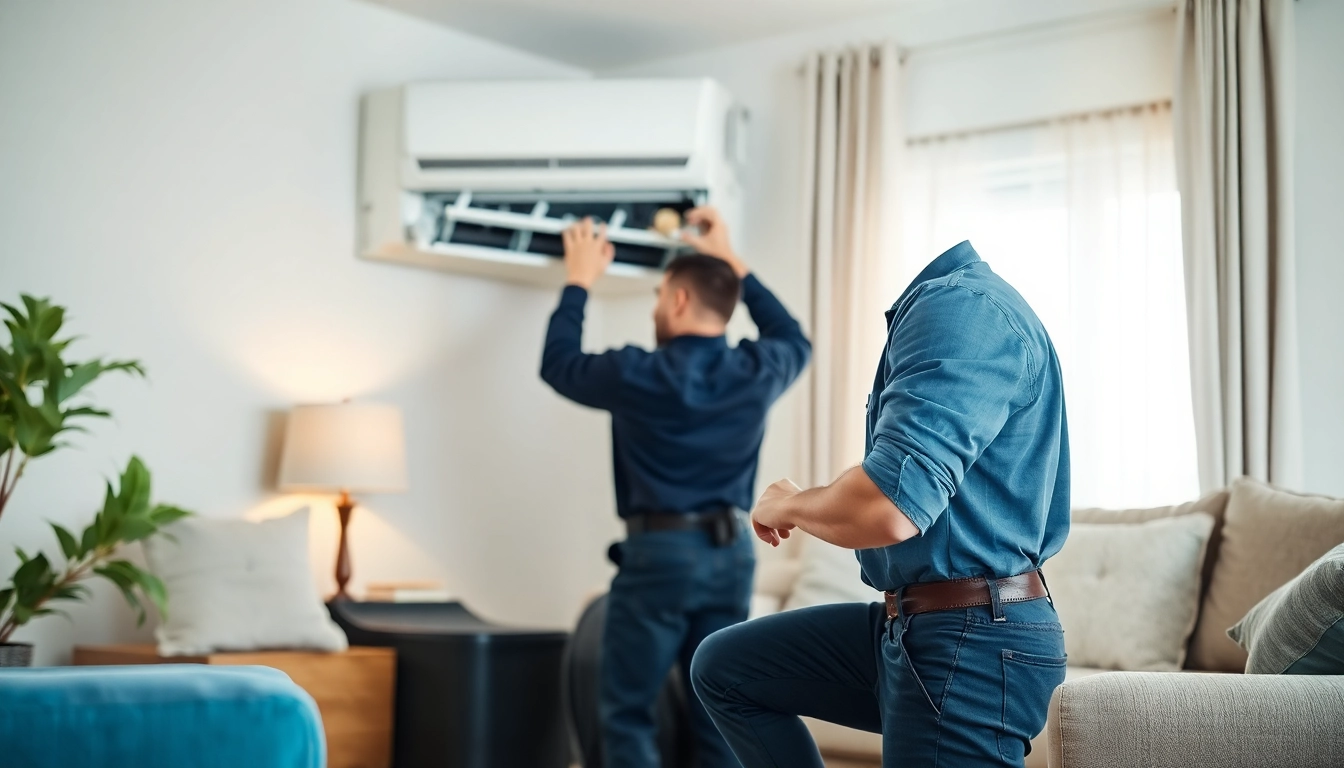
Understanding Emergency HVAC Repair
When systems designed to maintain indoor climate control fail, the result can be severe in terms of comfort and safety. Understanding the importance of prompt emergency HVAC repair can save homeowners from significant inconvenience and potential health risks. This article delves into what constitutes emergency HVAC repair, common scenarios that warrant it, and the implications of delaying repairs.
What Constitutes Emergency HVAC Repair?
Emergency HVAC repair refers to critical repair services needed to restore a heating, ventilation, or air conditioning system's functionality when it fails unexpectedly. Different from routine maintenance or non-urgent repairs, emergency repairs usually involve acute situations posing immediate discomfort or safety hazards. Instances include a heating system malfunction during freezing temperatures or an air conditioning breakdown in sweltering heat.
Common Scenarios Requiring Emergency HVAC Repair
- Complete System Failure: This can include heating systems shutting down in winter or air conditioning units stopping during heatwaves. Either situation significantly affects a homeowner's comfort.
- Gas Leaks: Any indication of a gas leak is a legitimate emergency, as it endangers occupants' safety. Immediate professional assessment and repair are crucial.
- Electrical Issues: Flickering lights or continuously tripped breakers associated with HVAC units might suggest an electrical fault, necessitating prompt examination to avert fire risks.
- Water Leaks: Refrigerant leaks or condensation from damaged components can lead to water damage, encouraging mold growth and structural issues.
- Strange Noises and Odors: Any anomalous sounds or smells, particularly burning odors, signal that the system requires urgent attention to prevent further damage or hazards.
The Impact of Delayed Repairs on Home Comfort
Neglecting immediate repairs can exacerbate issues, leading to further damage and more expensive repairs. For example, a small refrigerant leak can escalate into a compressor failure if ignored, while inadequate heating during winter months can lead to pipes freezing and bursting. The psychological effects on homeowners—stress, anxiety, and a sense of loss of control—also compound the discomfort, underscoring the necessity for quick resolutions.
Signs You Need Emergency HVAC Repair
Recognizing the signs that indicate a need for emergency HVAC repair can help homeowners act swiftly, mitigating damage and restoring comfort. Being attentive to your system's functioning can lead to timely interventions.
Indicators of HVAC System Malfunction
- Inconsistent Temperature: If different areas of your home exhibit varying temperatures or the thermostat fails to reflect accurate readings, a malfunction is likely.
- Strange Sounds: New or unusual noises such as grinding, banging, or squealing suggest mechanical problems that might worsen if not addressed immediately.
- Utility Bill Spike: A sudden increase in energy bills can indicate that your HVAC system is working harder than necessary, likely due to inefficiencies caused by faults.
Unusual Noises and Smells
Unpleasant odors and strange noises coming from your HVAC system are not just inconveniences; they often signal severe underlying problems. For instance, a burning smell may indicate overheating components, while musty odors could suggest mold growth within the system. Efficient detection of these signs can prompt quicker repair interventions.
Temperature Irregularities in Home
Temperature inconsistencies can be frustrating. If you notice that certain rooms are significantly warmer or cooler than others, there could be issues with airflow, ductwork, or the HVAC unit itself. Ignoring this issue can contribute to overall system inefficiency and potential breakdown, emphasizing the urgency for professional assessment.
Choosing a Reliable Emergency HVAC Repair Service
When emergencies arise, it's crucial to enlist a professional service that is both reliable and efficient. The following considerations can assist homeowners in making informed choices.
What to Look for in a Service Provider
Search for service providers with substantial experience in HVAC repairs, particularly in emergencies. Certifications, licenses, and insurance coverage are non-negotiable factors that can ensure the quality of service. Moreover, expertise in handling both residential and commercial HVAC systems can broaden the scope of potential issues they can address.
The Importance of Customer Reviews
Customer testimonials and reviews provide insights into a service provider's reliability and performance. Websites that aggregate reviews can help gauge the overall customer experience. Favorable reviews from previous customers will give you confidence in their capabilities, particularly in urgent situations when every minute counts.
Availability and Response Times
Emergency HVAC companies should offer 24-hour availability to handle urgent calls. Ask potential providers about their average response times during emergencies. A reliable service will prioritize timely arrival and quick turnaround on repairs while maintaining quality workmanship.
Cost Factors in Emergency HVAC Repair
Cost can often be a significant concern when it comes to emergency HVAC repairs. Understanding the potential expenses involved can help homeowners budget accordingly and avoid surprises.
Understanding Pricing Structures
Most HVAC companies use a combination of flat-rate pricing for specific services and hourly rates for labor. Emergency services typically carry higher rates due to the immediate availability and specialized expertise required. Understanding these structures before a crisis arises can create a more informed dialogue with service providers.
Potential Additional Costs to Consider
Homeowners should be aware of potential additional fees, such as those for after-hours service, parts replacement, or diagnostic fees. Discussing these costs upfront can help prevent misunderstandings and ensure there are no shocks upon receiving the final bill.
Discussing Pricing with Your Technician
Transparency is critical when it comes to discussing pricing with your HVAC technician. Before any repair work begins, inquire about estimated costs, what is included, and any potential for additional charges. Having a clear understanding creates trust and helps manage expectations.
Preventive Measures to Reduce Emergency HVAC Repairs
Proactive maintenance practices can significantly reduce the likelihood of encountering emergency HVAC issues. By investing time and resources regularly in your system, you can enjoy seamless operation for years to come.
Regular Maintenance Practices
Regular maintenance is key to extending the life of your HVAC system. This includes routine inspections, cleaning filters, and ensuring that all components are functioning correctly. Many HVAC experts recommend scheduling maintenance at least twice a year—once before the cooling season and once before the heating season.
Investing in Quality HVAC Systems
Choosing high-quality HVAC systems can lead to reduced emergency repair occurrences. Investment in systems known for their reliability may cost more initially but often pays off through lower maintenance needs and improved energy efficiency.
Setting Up an HVAC Inspection Schedule
Establishing a regular inspection schedule with a qualified HVAC technician can preemptively identify issues before they escalate. Consider setting reminders or keeping a log of your inspection dates to stay on top of your HVAC maintenance.
FAQs
What should I do if my HVAC system stops working suddenly?
Turn off the system to avoid further damage, check the power supply, and call a professional for emergency HVAC repair.
How can I prevent an HVAC emergency?
Regular maintenance, cleaning filters, and timely servicing can prevent unexpected HVAC emergencies.
What are the signs of an HVAC emergency?
Signs include strange noises, burning smells, temperature variations, and continuous system failures.
How quickly should I get emergency HVAC repair?
Immediate repair is recommended, especially if you are experiencing extreme temperatures that pose health risks.
Can I perform DIY repairs on my HVAC system?
While minor maintenance can be DIY, always consult a professional for repairs to avoid further damage or safety risks.