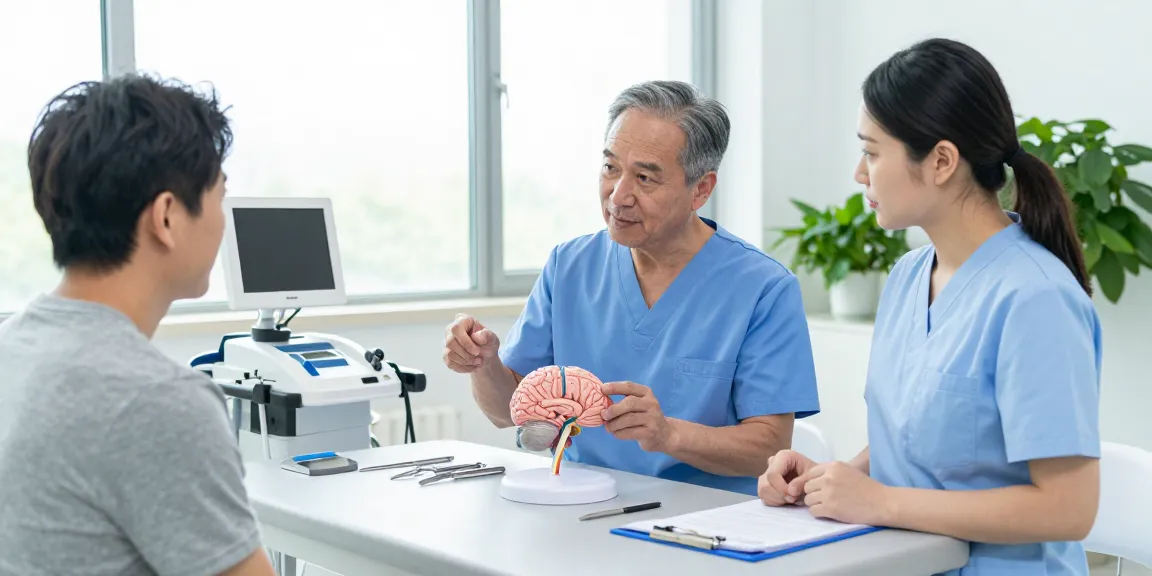
Overview of Psychiatry in India
Psychiatry in India has evolved significantly over the years, influenced by social, cultural, and historical contexts. The field not only addresses mental illness but also focuses on enhancing overall mental health and wellbeing. Amid growing recognition of mental health issues, psychiatry in India is grappling with various challenges and opportunities.
Historical Context of Psychiatry in India
The history of psychiatry in India can be traced back to ancient times when mental health issues were understood within the framework of spirituality and philosophy. However, it was only in the late 19th and early 20th centuries that formal psychiatric practices began to emerge, largely influenced by Western medicine. The establishment of mental asylums marked the beginning of organized mental healthcare in the country. Significant milestones include:
- Establishment of the first mental asylum in 1858 in Calcutta.
- The founding of the Indian Psychiatric Society in 1947, which played a key role in advancing psychiatric practices and research.
- Post-independence initiatives aimed at integrating psychiatry into general health services.
Current Mental Health Landscape
Today, psychiatry in India faces a complex landscape characterized by a diverse range of mental health issues affecting millions. According to recent estimates, approximately 13.7% of the Indian population experiences some form of mental disorder. Despite the growing demand for mental health services, there remains a critical shortage of trained professionals and facilities. Key statistics reveal:
- Approximately 4,000 psychiatrists exist in India, yielding a ratio of one psychiatrist per 250,000 people.
- The country has only 0.166 nurses and 0.047 psychologists per 100,000 patients, according to WHO data.
Key Challenges Facing Psychiatrists
Several challenges hinder the effective delivery of psychiatric services in India:
- Stigma: Many individuals shy away from seeking help due to societal stigma.
- Resource Limitations: A shortage of funding and resources impedes access to care, particularly in rural areas.
- Anecdotal Treatment Approaches: There is still reliance on traditional and anecdotal approaches to treat mental illnesses, which may not be effective.
Types of Psychiatric Treatments Available
Medication and Pharmacotherapy
Pharmacotherapy plays a critical role in managing various mental disorders. Medications such as antidepressants, antipsychotics, and mood stabilizers are commonly prescribed, often alongside psychotherapy. The challenge lies in the accurate diagnosis and effective management of medication, with professionals needing to monitor side effects and efficacy closely.
Cognitive Behavioral Therapy Approaches
Cognitive Behavioral Therapy (CBT) has gained traction as an effective therapeutic approach in psychiatry in India. It helps individuals identify and modify negative thought patterns and behaviors. Trained therapists typically administer this structured approach, which shows high efficacy in treating anxiety, depression, and PTSD. The standard components include:
- Identifying cognitive distortions.
- Developing coping strategies.
- Regular follow-ups to track progress.
Community-Based Mental Health Initiatives
Community-based approaches strive to provide psychiatric care in local settings, emphasizing the importance of community engagement. Programs like the District Mental Health Programme (DMHP) have been instrumental in making mental health services more accessible. These initiatives often include:
- Training local healthcare workers.
- Organizing awareness campaigns.
- Establishing support groups to foster community support and integration.
Access and Availability of Psychiatric Services
Urban vs. Rural Disparities
Access to psychiatric services in India is highly uneven, with urban centers offering significantly better resources compared to rural areas. Urban populations generally have better access to trained psychiatrists and modern facilities. In contrast, rural populations often rely on traditional healers and face barriers like:
- Limited transportation options.
- Financial constraints.
- Lack of awareness about mental health issues.
Government Initiatives and Policies
The Indian government's Mental Health Policy aims to integrate mental health into primary health care, improve access to services, and minimize the stigma attached to mental illnesses. Notable initiatives include:
- National Mental Health Programme (NMHP), focusing on mental health promotion and prevention.
- Promotion of psychiatric research and training of mental health professionals.
The Role of Telepsychiatry
Telepsychiatry is emerging as a promising solution to overcome barriers in accessing mental health services, especially in under-served areas. It involves remote diagnosis and treatment using telecommunication technologies. Benefits include:
- Increased confidentiality for patients.
- Flexibility in scheduling sessions.
- Reducing travel-related burdens for individuals seeking help.
Stigmas and Misconceptions
Understanding Mental Health Stigmas
Stigma surrounding mental health can lead to discrimination, social isolation, and reluctance to seek treatment. Misconceptions often stem from cultural beliefs and lack of education regarding mental illnesses. Efforts to educate the public about mental health can help change perceptions.
Effects of Stigma on Treatment Seeking
Stigma not only affects individuals but also creates barriers to access quality psychiatric care. Many face judgment or alienation, leading to decreased willingness to seek professional help, thereby exacerbating their conditions. Understanding these impacts is crucial for creating supportive environments.
Strategies to Combat Stigma
Combatting stigma requires concerted efforts at individual, community, and organizational levels. Strategies include:
- Education campaigns to raise awareness.
- Encouraging open discussions about mental health.
- Promoting stories of recovery to inspire others.
The Future of Psychiatry in India
Increasing Demand for Mental Health Services
As awareness of mental health grows, the demand for psychiatric services is expected to escalate. This trend is amplified by changing societal norms and increasing acceptance of mental health discussions. Addressing this demand will be critical for the sustainability of mental health services in India.
Potential for New Innovations in Treatment
Advancements in digital health technologies, such as mobile health apps and virtual reality therapy, present exciting opportunities for enhancing psychiatric treatment. Innovations can lead to personalized care and improved patient engagement.
Importance of Awareness Campaigns
Continued efforts to promote mental health awareness are crucial in changing public perceptions and reducing stigma. Campaigns can educate individuals about recognizing signs of mental health issues, encouraging early intervention and treatment.
Frequently Asked Questions
1. What is the cost of psychiatric treatment in India?
The cost varies widely, ranging from INR 500 to INR 5000 per session, depending on the provider and location.
2. How can I find a psychiatrist in my area?
Seeking local recommendations, online directories, or health organization referrals can guide you in finding a psychiatrist near you.
3. Are mental health services available in rural areas?
While access is limited, community-based initiatives and telepsychiatry are helping improve services in rural regions.
4. How does stigma affect seeking mental health care?
Stigma leads to fear of judgment, making individuals hesitant to seek help or disclose their mental health issues.
5. What are common types of therapy available?
Cognitive Behavioral Therapy (CBT), psychodynamic therapy, and family therapy are commonly practiced forms of psychotherapy.