
Introduction to Flipping Real Estate
Understanding House Flipping
House flipping has gained significant popularity among real estate investors in recent years. This practice involves purchasing a property, typically at a lower price, making necessary renovations or improvements, and then selling it at a higher price within a short timeframe. The allure of house flipping lies in its promise of quick profits, but it requires a solid understanding of the market, renovation processes, and effective financial planning.
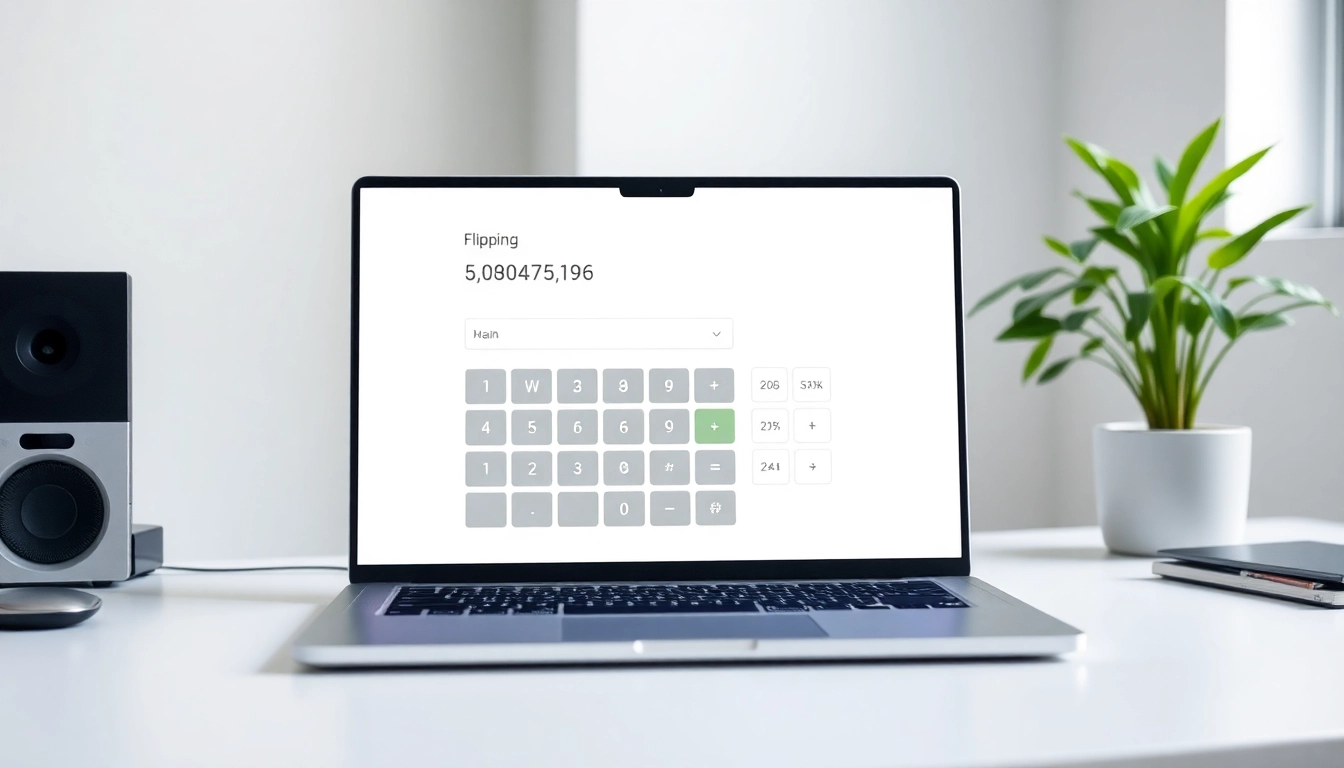
To navigate this complex landscape successfully, investors can leverage advanced tools like our flipping calculator. This innovative resource helps streamline decision-making by providing critical insights regarding potential returns on investment (ROI), enabling investors to make informed choices.
Benefits of Real Estate Investment
Investing in real estate has historically been considered a stable and lucrative financial endeavor. Unlike other investment avenues, real estate offers distinct advantages, including the potential for long-term appreciation, passive income through rental properties, and tax benefits that can enhance overall profitability. Furthermore, flipping properties can yield substantial short-term gains, allowing investors to capitalize on favorable market conditions.
The Role of a Flipping Calculator
A flipping calculator serves as an indispensable tool for both novice and experienced investors. By inputting project-specific data, users can easily evaluate the financial viability of their flipping projects. It considers crucial factors such as purchase price, renovation costs, holding costs, and anticipated selling price, ultimately providing users with a comprehensive analysis of potential profits and associated risks.
How to Use Our Flipping Calculator
Inputting Your Project Data
Using our flipping calculator is remarkably straightforward. To begin, gather essential details about your property acquisition and renovation plans. Key inputs include:
- Purchase Price: The amount paid for the property.
- Renovation Costs: Total estimated expenses for repairs and improvements.
- Holding Costs: Ongoing expenses incurred while owning the property, such as utilities, property taxes, and insurance.
- Anticipated Selling Price: The projected price at which you expect to sell the property post-renovation.
After entering this data, the calculator will generate a detailed analysis of your potential ROI and provide insights into your investment's overall financial health.
Interpreting Calculator Results
Once you receive the output from the flipping calculator, it’s important to interpret the results effectively. Key metrics to focus on include:
- Net Profit: The amount you stand to make after accounting for all costs.
- ROI Percentage: A crucial figure that tells you how much return you're getting on your investment relative to its cost.
- Break-even Point: The timeframe in which your investment will pay off, allowing you to determine the urgency of your selling strategy.
Understanding these metrics will help you gauge the viability of your flipping project and fine-tune your approach accordingly.
Case Study Examples
To provide clarity on how the calculator works in practice, consider the following hypothetical case study:
Imagine a real estate investor named Sarah who purchases a run-down property for $200,000. She estimates renovation costs to be $50,000, which includes upgrades to the kitchen and bathroom, along with essential repairs. Sarah anticipates that once renovations are complete, she can sell the property for $350,000.
By inputting these numbers into the flipping calculator, she discovers the following:
- Net Profit: $100,000
- ROI Percentage: 50%
- Break-even Point: 4 months
With positive results like these, Sarah can confidently proceed with her investment, knowing she's on track to meet her financial goals.
The Importance of ROI in Flipping
What is ROI?
Return on Investment (ROI) measures the profitability of an investment relative to its cost. In the context of real estate flipping, understanding ROI is vital as it helps investors assess whether a project is worth pursuing. A strong ROI indicates good potential for profits, while a lower ROI may signal caution or the need for a revised strategy.
Analyzing Profit Margins
Analyzing profit margins goes beyond just calculating ROI; it involves understanding the dynamics driving profitability. Key components to consider include:
- Market Trends: Stay informed about local real estate market trends that could affect property values and demand.
- Unique Property Features: Properties that stand out due to location, size, or amenities might yield higher profit margins.
- Renovation Cost Effectiveness: Carefully evaluate whether upgrades will lead to significant value increases or if they're unnecessary expenditures.
Strategies to Improve ROI
Maximizing ROI requires strategic planning and execution. Here are several effective strategies to enhance your profitability on flipping projects:
- Thorough Research: Understand market demands and identify neighborhoods with growth potential.
- Quality Renovations: Invest in renovations that enhance value, focusing on high-ROI improvements.
- Efficient Budgeting: Keep a close eye on expenses and adopt cost-saving measures where possible.
- Smart Selling Strategies: Explore multiple marketing avenues to reach potential buyers effectively.
Advanced Features of Our Calculator
Graphical Data Representation
Our flipping calculator provides an intuitive interface that includes graphical representations of data, making it easier to visualize the financial aspects of your investment. Charts and graphs can illustrate your projected profit margins, amortization schedules, and comparative analyses against other projects. This visual data aids in comprehension and supports strategic decision-making.
Custom Investment Advice
The calculator does more than just crunch numbers; it harnesses real market data to offer personalized investment advice tailored to your project specifics. Based on the inputs provided, the calculator will deliver insights on how to optimize your renovation efforts, evaluate potential risks, and improve your chances of a successful sale.
Real Market Algorithm Insights
Underneath the user-friendly interface lies a powerful algorithm fueled by real market data. This algorithm assesses current market trends, historical property performance, and buyer behavior, giving you a sharper, data-backed perspective to navigate your flipping ventures. Access to such information is invaluable in making informed decisions and positioning yourself advantageously in the market.
Join the TraderBrick Community
User Testimonials
Many investors have transformed their real estate strategies by integrating TraderBrick into their processes. Users report not only improved profitability but also enhanced confidence in their investment decisions. Testimonials highlight experiences from both first-time flippers and seasoned professionals who found substantial value in our flipping calculator's insights and recommendations.
Networking Opportunities
Being part of the TraderBrick community opens the door to a wealth of networking opportunities. Connect with like-minded investors, share experiences, and gain insights that could enrich your investment journey. Our platform fosters collaboration and knowledge sharing, essential for continued growth in real estate investing.
Continuous Learning Resources
TraderBrick is committed to your ongoing development as an investor. We offer various resources, including in-depth articles, webinars, and tutorials designed to keep you informed about the latest trends, tips, and strategies for successful house flipping. By staying engaged with our resources, you can ensure you're equipped to maximize your investments effectively.