Understanding the Role of a Certified PPF Installer
What is a Certified PPF Installer?
A Certified PPF installer is an expert trained in the application of Paint Protection Film (PPF) to vehicles. This film is designed to provide a protective layer over the car's paint, safeguarding it from scratches, chips, and abrasions that can occur from daily driving or environmental factors. Certified installers undergo rigorous training and assessments to ensure they possess the necessary skills and knowledge to install PPF effectively, ensuring that each application meets high standards of quality and durability. For vehicle owners looking to protect their investment, working with a Certified PPF installer is essential for achieving optimal results.
Benefits of Using a Certified Installer
Opting for a certified installer presents numerous benefits for car owners. Firstly, certified installers have proven expertise, which minimizes the risk of mistakes during installation. This expertise translates to a smoother, more aesthetically pleasing application. Furthermore, certified installers often use high-quality materials that enhance the durability and lifespan of the paint protection film. A professional installation also ensures that the warranty of the PPF remains valid, providing additional peace of mind for the owner.
How Certification Works
Certification typically involves comprehensive training programs and assessments offered by leading PPF manufacturers. This certification process equips installers with detailed knowledge about various PPF products, installation techniques, and best practices for maintenance. Ensuring that the installer is certified not only guarantees quality but also reflects their commitment to staying updated with the latest advancements in PPF technology.
Choosing the Right Certified PPF Installer
Factors to Consider When Selecting
When looking for a certified PPF installer, several factors should be considered. Begin by researching the installer’s qualifications, certifications, and experience. Look for reviews and testimonials from previous customers to gauge the quality of their work. Additionally, assess the variety of PPF products they offer, as well as any warranties or guarantees associated with their services. The installer’s location and availability for follow-up services can also influence your decision.
Evaluating Installer Experience
Experience is a crucial factor in selecting the right certified installer. An installer with years of hands-on experience is likely to encounter and resolve potential installation issues more effectively than a newcomer. It’s beneficial to ask potential installers about the number of installations they have completed and whether they have worked with your specific vehicle type. Observing a portfolio of their past work can also provide insights into their skill level and the aesthetic quality of their installations.
Questions to Ask Before Hiring
Before hiring a certified PPF installer, consider asking the following questions:
- What type of PPF do you recommend for my vehicle?
- Can you provide references from previous clients?
- What is the estimated cost and timeline for the installation?
- What warranty do you provide, and what does it cover?
- How do you handle post-installation care and maintenance?
These questions will help ensure that you find a reliable and skilled professional who meets your specific needs.
The Installation Process Explained
Preparation for Installation
The preparation process is crucial for a successful PPF installation. Initially, the vehicle must be thoroughly washed and dried to remove any dirt, wax, or contaminants that could interfere with the adhesion of the film. After cleaning, a detailed inspection of the vehicle's surfaces should be conducted to identify any pre-existing damage. Some installers may recommend paint correction or detailing to prepare the vehicle fully.
Steps in the Application Process
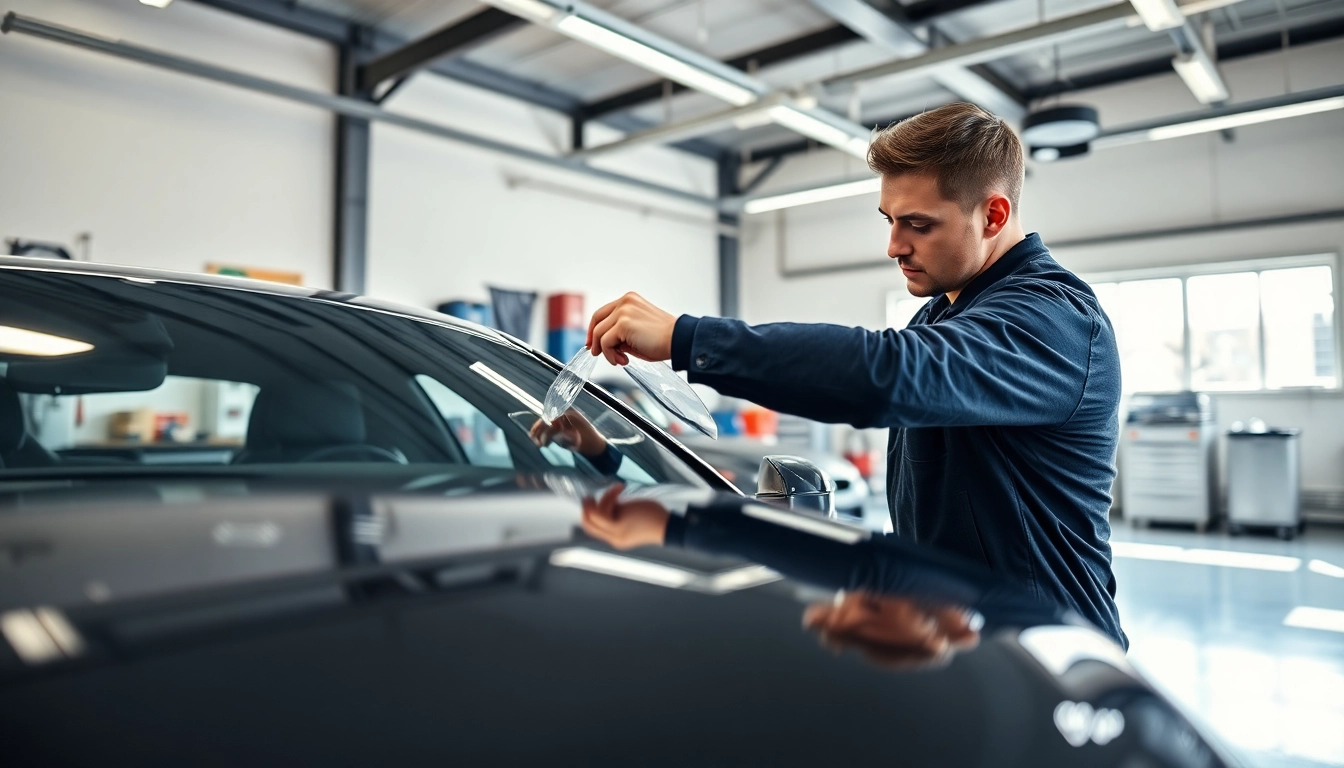
The installation process involves several steps. After preparation, the PPF is carefully measured and cut to the specific dimensions of the vehicle panels. Modern technology, such as plotters and CAD software, may be utilized to enhance precision in cutting. Once cut, the film is applied to the vehicle using a special installation solution. The installer meticulously smooths out air bubbles and wrinkles to ensure a seamless finish, which is then cured as per the manufacturer's specifications.
Post-Installation Care Tips
Proper care post-installation is critical to maintaining the integrity and appearance of the PPF. Initially, it is advised to allow the film to cure for a minimum of 24 hours before exposing it to water. Regular washing using gentle, pH-balanced car soap will help preserve the film. Avoiding abrasive materials during cleaning and steering clear of automatic car washes for the first few weeks is also recommended to prevent damage.
Common Myths About PPF Installations
Dispelling Misconceptions
There are several myths surrounding paint protection film installations that can deter potential customers from investing in this vital service. One common misconception is that PPF is only for luxury vehicles. In reality, paint protection film is beneficial for any car, as it preserves the paint and overall value. Another myth is that PPF will damage the original paint upon removal; however, when installed and removed correctly, it will not harm the vehicle's surface.
Real vs. Perceived Risks
Many potential customers perceive various risks associated with PPF, such as yellowing, peeling, or bubbling. While these issues can occur, they are often related to poor installation or low-quality film. By choosing a Certified PPF installer who uses high-quality products, the risks of these problems are significantly minimized. Additionally, PPF is designed to withstand environmental factors, offering long-lasting protection against the elements.
Long-Term Benefits of PPF
Investing in paint protection film provides long-term benefits. The most significant advantages include preserving the vehicle's aesthetic appeal, enhancing resale value, and protecting against the elements and road debris. Studies show that vehicles with professionally installed PPF maintain their original paint finish much better than those without, leading to higher seller demand and potential resale prices in the future.
Transforming Your Vehicle with PPF
Case Studies of Successful Installations
Numerous case studies demonstrate the effectiveness of PPF installations. For instance, a high-performance sports car, originally suffering from numerous surface scratches, underwent a complete PPF application. The result was a dramatic enhancement in its overall appearance and a restored factory-like finish. Such case studies highlight the transformative capabilities of PPF, showcasing how it can restore not only the look but also the integrity of a vehicle.
Comparing PPF Options
When considering paint protection film, various options are available, each with its unique benefits. For example, self-healing films can repair minor scratches and swirl marks over time, providing continuous aesthetic appeal. Transparent films allow for maximum visibility while still protecting the surface. It is essential to compare these options based on individual needs, driving habits, and environmental factors before making a decision.
Impact on Vehicle Value and Appearance
Statistics indicate that a well-maintained vehicle's value can increase by up to 15%, thanks to investments in paint protection technologies such as PPF. Not only does PPF shield the surface from physical damage, but it also enhances the vehicle’s appearance by providing a glossy finish that elevates its overall aesthetic. This increase in value can be crucial when it comes time to sell or trade in a vehicle.
FAQs
What is paint protection film?
Paint Protection Film (PPF) is a transparent polyurethane coating that protects a vehicle's paint surface from scratches, chips, and stains while maintaining a glossy appearance.
How long does PPF last?
High-quality PPF can last between 5 to 10 years, depending on environmental factors, maintenance, and the quality of installation.
Is PPF easy to remove?
Yes, PPF can be safely removed without damaging the original paint if done by a professional who is experienced in the process.
Can I wash my car after PPF installation?
It's advised to wait at least 24 hours before washing your car post-installation to allow the film to fully adhere. After that, routine washing is safe.
Does insurance cover PPF installation?
Some insurance policies may cover PPF installation as an add-on for comprehensive coverage. It’s best to consult your insurance provider for specifics.