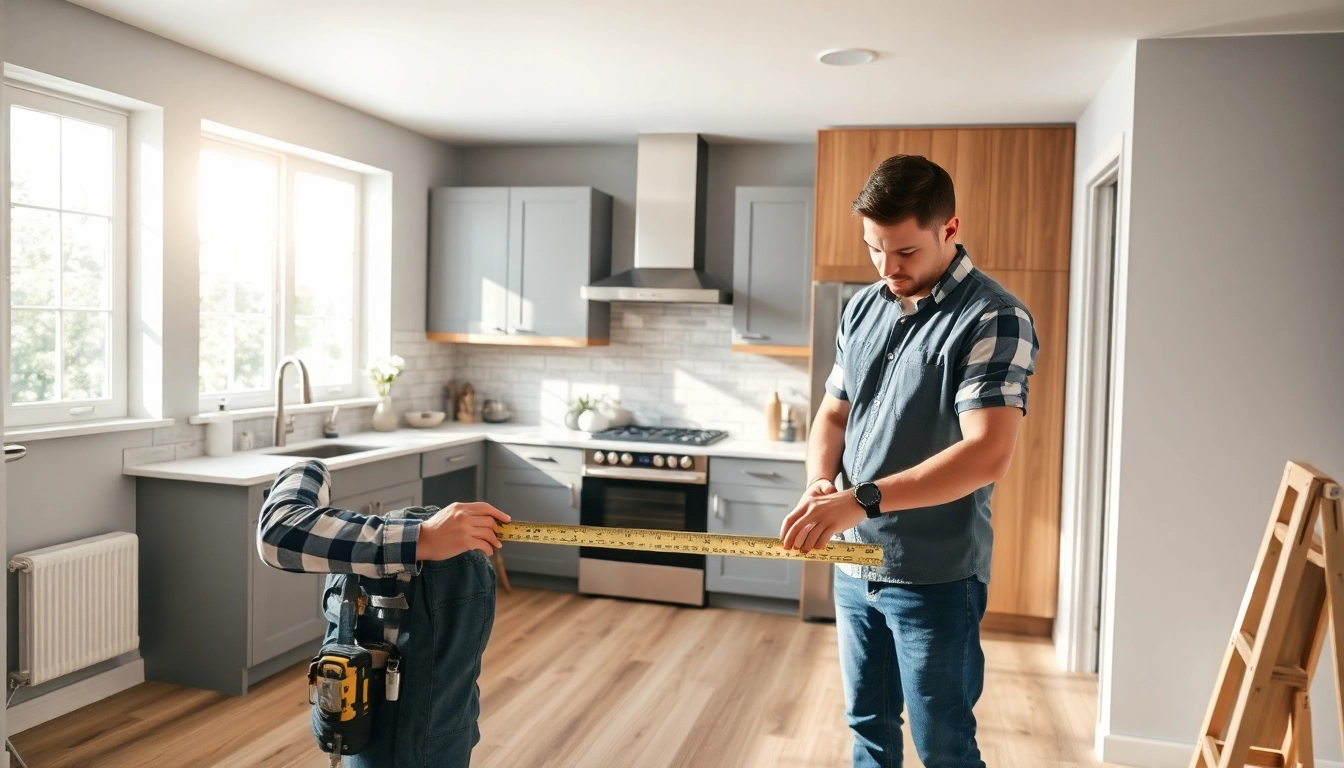

Understanding the Basics of Range & Cooktop Installation
Whether you’re upgrading your kitchen or replacing an old appliance, Range & Cooktop Installation is a critical step that requires careful planning and execution. The intricacies involved can often intimidate homeowners. To alleviate these concerns, this comprehensive guide will walk you through essential aspects of installation, ensuring a smooth process from start to finish.
Types of Ranges and Cooktops
Understanding the different types of ranges and cooktops is vital as each requires specific installation protocols. Primarily, ranges can be categorized into:
- Gas Ranges: Typically heated by natural gas or propane, these ranges provide consistent heat and respond quickly to temperature adjustments.
- Electric Ranges: These come with coil burners or smooth tops and utilize electric heating elements. Electric options often include induction cooktops, which use magnetic energy to heat cookware directly.
- Dual-Fuel Ranges: A hybrid model combines the best of gas and electric, featuring a gas stovetop paired with an electric oven.
Choosing the right type depends on your cooking preferences, energy sources available, and installation feasibility.
Tools Required for Installation
Before beginning the installation process, gather the necessary tools and materials. Not having the right equipment can significantly delay the project. Commonly needed tools include:
- Wrench: Essential for securing gas connections.
- Screwdriver: Useful for securing elements in place.
- Measuring Tape: To ensure proper fit and spacing during installation.
- Level: To align the range or cooktop correctly.
- Drill: Sometimes necessary for creating mounting holes.
Having these tools on hand will streamline your installation process, enhancing efficiency and effectiveness.
Safety Precautions to Consider
Safety is paramount during installation. Ensure you observe the following precautions:
- Always turn off power and gas supplies before beginning.
- Utilize personal protective equipment, such as gloves and safety goggles.
- Work in well-ventilated areas to avoid inhaling gas or fumes.
- Read the manufacturer’s installation manual thoroughly before initiating the installation.
Taking these steps will help prevent accidents and ensure a successful installation.
Step-by-Step Installation Process
Preparing Your Kitchen Space
Preparation is the foundation of a successful installation. Start by measuring the space where the range or cooktop will go. Ensuring the area meets the specified dimensions in the product manual is crucial to avoid any compatibility issues. Clear the area of any old appliances, debris, or obstacles. Make sure there is adequate electrical or gas access based on the type of unit being installed.
Electrical and Gas Hookups Explained
Understanding how to make proper electrical and gas hookups is essential. For gas ranges, ensure all connections are secure and utilize a thread sealant where necessary. For electric ranges, plug into a dedicated circuit to avoid overloading existing circuits. It’s wise to consult with a licensed electrician or plumber if you are not comfortable with these connections.
Finalizing the Installation
Once all connections are made, carefully position the appliance into its designated space. Ensure it is level by checking with a level tool. After confirming it is secure, reattach any surfaces or trim that were previously removed. Finally, turn on the power or gas, and perform a test run to ensure everything operates effectively.
Common Challenges in Range & Cooktop Installation
Dealing with Electrical Requirements
Electrical installations can be particularly challenging, especially if your kitchen is not wired for your new appliance’s requirements. If you find that your kitchen’s wiring doesn’t meet the voltage or amperage needed, you may need to install a new circuit. Always prioritize safety and consider hiring a professional for these adjustments to avoid electrocution and comply with local codes.
Gas Line Installation Issues
Similarly, gas line installations can pose issues. If you’re encountering a gas line that is too short or not compatible with your range, it is crucial to consult a licensed professional. Attempting to modify gas lines without expertise can lead to leaks, posing significant safety risks.
Space Constraints and Solutions
Installing a range or cooktop might be complicated by space constraints. If the new appliance does not fit the existing space, consider solutions like redesigning cabinetry or altering countertops. You may also want to explore space-saving options like slim stovetops that fit into smaller areas more effectively.
Maintaining Your Cooktop After Installation
Regular Cleaning Techniques
Regular maintenance ensures that your cooktop remains functional and aesthetically pleasing. For electric cooktops, avoid using abrasive materials that can scratch the surface. Instead, opt for a soft sponge and a dedicated cleaning solution. For gas ranges, clean the burners and grates regularly to prevent build-up and ensure efficient heating.
Identifying and Resolving Issues
Look out for signs of malfunction, such as uneven cooking, flames that are yellow instead of blue (for gas ranges), or electrical issues like tripped circuits. Addressing these problems proactively can prevent further damage and costly repairs.
Tips for Prolonging Lifespan
To extend the life of your range or cooktop, consider these tips:
- Regularly check connections and connections for gas ranges.
- Calibrate burners periodically to ensure consistent heating.
- Never overload burners, which can lead to uneven wear and failure.
- Cover surfaces with protective mats while cooking to minimize wear and tear.
Adopting these practices can significantly contribute to the longevity of your cooking appliance.
Cost Considerations for Range & Cooktop Installation
Average Installation Costs
The cost for installing a range or cooktop typically varies widely, factoring in equipment type, local labor costs, and any additional electrical or plumbing work required. On average, you can expect to pay between $150 to $700 for installation, depending on these variables.
Factors That Influence Pricing
Several factors can influence the final installation cost:
- Type of appliance—gas ranges often require more extensive installation work than electric alternatives.
- Alterations needed to existing plumbing or electrical systems.
- Geographic location, with costs differing significantly across regions.
- Any additional accessories (ventilation, cabinetry) required for proper installation.
Understanding these influences will aid in budgeting properly.
Getting Quotes from Installers
When considering installation, it’s wise to obtain multiple quotes from professionals. This process not only helps in understanding the going rates but may uncover services you hadn’t previously considered. Always ensure that installers are licensed and insured to safeguard against any mishaps during the process.
Frequently Asked Questions
What is the average cost to install a cooktop?
The average cost to install a cooktop can vary widely based on type and installation complexity, generally ranging from $200 to $600 excluding the cooktop’s cost.
How much does it cost to install a stove range?
Installation costs for a stove range range from $150 to $700, depending on the type of range and whether additional electrical or gas work is needed.
Will Home Depot install a cooktop?
Many popular home improvement stores offer installation services that can be scheduled with your purchase.
Do I need a licensed plumber for gas line installation?
Yes, it’s generally required for safety and to meet local codes, ensuring the gas lines are installed correctly.
Can I install a cooktop myself?
Installing a cooktop yourself is possible if you’re familiar with plumbing and electrical work, but it’s recommended to hire a professional for safety.