
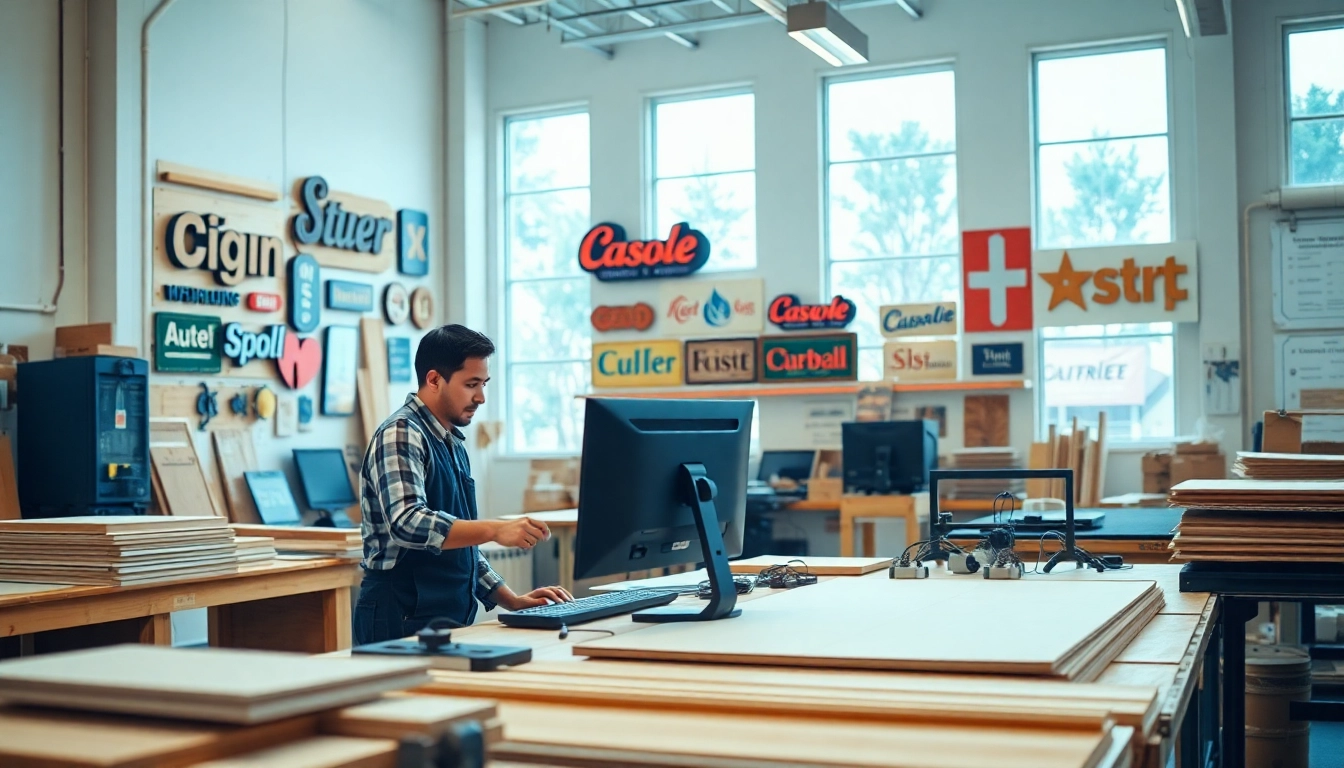
Understanding Sign Manufacturing
What is Sign Manufacturing?
Sign manufacturing is a specialized process that transforms ideas into physical signage products. It encompasses a variety of techniques and materials to create signs that advertise, inform, and guide people. From small business storefronts to large billboards, sign manufacturing plays a critical role in visual communication within different environments. In an era where effective signage can significantly influence customer decisions, understanding the nuances of sign manufacturing becomes essential for businesses aiming to enhance their brand visibility and engagement.
Key Materials Used
The materials utilized in sign manufacturing vary based on the sign’s purpose, location, and design. Commonly used materials include:
- Vinyl: Known for its flexibility and durability, vinyl is often used for banners, decals, and vehicle wraps.
- Wood: A classic choice for rustic signs, wood provides a natural aesthetic and can be treated for outdoor durability.
- Metal: Aluminum and steel are favored for their strength and longevity, making them ideal for outdoor signage.
- Acrylic: Lightweight and customizable, acrylic is often used for illuminated signs and displays.
- Plastic: Cost-effective and available in various colors, plastic is commonly used for indoor signs.
Types of Signage Products
Understanding the various types of signage products is crucial for effective communication. Some popular sign types include:
- Outdoor Signs: These are designed to withstand weather elements and usually promote businesses or events.
- Indoor Signs: Used for information, guidance, or branding within buildings.
- Illuminated Signs: Signs that use lighting to enhance visibility, especially at night.
- Wayfinding Signs: Essential for navigation, these signs guide users through complex environments.
- Digital Signage: Electronic displays that can be updated with dynamic content.
Essential Techniques in Sign Manufacturing
Traditional vs. Modern Manufacturing Methods
The evolution of sign manufacturing has led to a blend of traditional and modern techniques. Traditional methods include hand-painting and carving, which add a personal touch but can be time-intensive. In contrast, modern methods leverage computer-aided design (CAD) and digital printing, allowing for rapid production and high precision. These technologies make it easier to customize signs on a large scale, meeting the demands of contemporary businesses.
Technology in Sign Manufacturing
Advancements in technology have revolutionized sign manufacturing. Techniques such as CNC machining, laser cutting, and 3D printing allow for intricate designs and efficient production workflows. Digital printing technology enables high-quality graphic applications that attract attention and deliver messages effectively. The use of software for design and project management streamlines the production process, enhancing productivity and ensuring consistency in output.
Design Considerations for Effective Signs
Creating effective signs requires a thoughtful design approach. Key considerations include:
- Clarity: The message should be easily understandable at a glance.
- Visibility: Select appropriate colors and fonts to enhance readability both day and night.
- Branding: Consistent branding elements reinforce recognition and connection with the audience.
- Size: The size of the sign should be appropriate for the installation location to ensure it’s noticeable.
- Durability: Choose materials that withstand the environmental conditions of the sign’s placement.
Challenges in Sign Manufacturing
Common Issues Faced by Manufacturers
Sign manufacturers face numerous challenges, including material shortages, economic fluctuations, and competition. To stay competitive, manufacturers must adapt to changing market demands and continuously innovate their product offerings. Quality control is also crucial; even small errors in production can lead to costly reworks and dissatisfied customers.
Regulatory and Compliance Requirements
Sign manufacturing is subject to various regulations, including zoning laws and safety codes. Understanding these regulations is essential for compliance and to avoid potential legal issues. Businesses must keep up with local guidelines, especially when it comes to advertising signs in public spaces, ensuring designs do not obstruct visibility or violate city ordinances.
Time Management in Production
Efficient time management is vital in the manufacturing process. Delays can impact project timelines and customer satisfaction. Implementing lean manufacturing principles can help reduce waste and optimize workflows. By analyzing production cycles and identifying bottlenecks, manufacturers can enhance their operational efficiency and meet tight deadlines.
Innovative Trends in Sign Manufacturing
Sustainable Materials and Practices
As environmental concerns grow, the sign manufacturing industry has seen a shift towards sustainability. Manufacturers are increasingly using eco-friendly materials, such as recycled plastics and biodegradable options. Practices such as digital printing reduce waste by minimizing ink use and eliminating the need for large production runs, which not only lowers environmental impact but also can reduce costs for businesses.
Interactive and Digital Signage Solutions
Digital signage continues to gain traction as businesses seek innovative ways to engage their customers. Interactive displays, which allow user interaction, enhance customer experiences by providing real-time information. These solutions can be easily updated, allowing for timely promotion of products, events, and services, meeting the dynamic needs of today’s marketplace.
Future Trends in Sign Design
Looking ahead, the future of sign design may be influenced by advancements in augmented reality (AR) and virtual reality (VR). These technologies could redefine how signs communicate messages, allowing customers to tap into immersive experiences. Customization will also become more prevalent, with consumers expecting personalized signage that reflects their unique brand identities.
Measuring Success in Sign Manufacturing
Key Performance Indicators
To effectively measure success in sign manufacturing, it’s essential to track various key performance indicators (KPIs). Common KPIs include production efficiency, defect rates, customer satisfaction scores, and lead times. Analyzing these metrics allows manufacturers to identify areas for improvement, optimize processes, and ultimately enhance service delivery.
Customer Feedback and Satisfaction
Customer feedback is invaluable in the sign manufacturing industry. It provides insights into the effectiveness of products and services. Engaging with customers through surveys, reviews, and follow-up consultations can help gather valuable feedback, allowing manufacturers to innovate and respond to market demands effectively.
Case Studies of Successful Sign Manufacturing Projects
Studying successful case studies offers valuable insights into best practices in sign manufacturing. These projects often showcase innovative materials, techniques, and strategies that led to impactful results. Sharing such case studies can serve as inspiration for newer projects, helping manufacturers learn from the successes and challenges faced by their peers.
Frequently Asked Questions
1. What materials are commonly used in sign manufacturing?
Common materials include vinyl for flexibility, metal for durability, and acrylic for clean, modern looks. Each material is chosen based on the sign’s purpose and environment.
2. How do I choose the right type of sign for my business?
Consider the sign’s location and purpose. Outdoor signs should withstand weather, while indoor signs focus on visibility and branding. Assess your specific needs to make the best choice.
3. What role does technology play in sign manufacturing?
Technology enhances precision and efficiency in sign manufacturing through methods like digital printing, CNC machining, and design software, allowing for faster production and higher quality.
4. How can I ensure compliance with sign regulations?
Familiarize yourself with local zoning laws and safety codes. Consulting with authorities before installation can help ensure your signs meet all legal requirements.
5. What are the benefits of using sustainable materials in sign manufacturing?
Sustainable materials reduce environmental impact and can appeal to eco-conscious consumers. They often meet regulatory standards and can enhance a brand’s reputation for social responsibility.