Understanding Image to Image Basics
What is Image to Image?
Image to image is a transformative process involving the conversion of one image into another while retaining core attributes such as color schemes and structural elements. This technique leverages algorithms and software to generate altered visuals based on a source image, making it a valuable tool for artists, designers, and content creators. By manipulating existing images, users can produce unique interpretations and entirely new artworks, significantly broadening the scope of creative expression. For instance, through image to image transformations, designers can explore innovative concepts, surreal art forms, and photo-realistic outputs.
Key Principles of Image to Image Techniques
Understanding the foundational principles of image to image techniques is essential for those looking to explore this realm. At the core of these techniques is the emphasis on preserving essential elements of the original image while allowing for creative modifications. Key principles include:
- Preservation of Structure: Maintaining the fundamental composition, such as subject matter and perspective, ensures the integrity of the image while enabling creative alterations.
- Color Manipulation: Modifying colors can evoke different emotions or aesthetic appeals, enhancing the overall impact of the image.
- Texture and Detail Enhancement: Adjusting textures can give depth and visual interest, making the transformed image more engaging.
- Style Transfer: This involves applying stylistic elements from one image onto another, often used in artistic applications to create striking contrasts or harmonies.
Common Applications of Image to Image in Art
The applications of image to image are vast and varied within the art world. Artists and designers frequently use this technique to explore new aesthetics, reimagine existing works, or create entirely original visuals. Some common applications include:
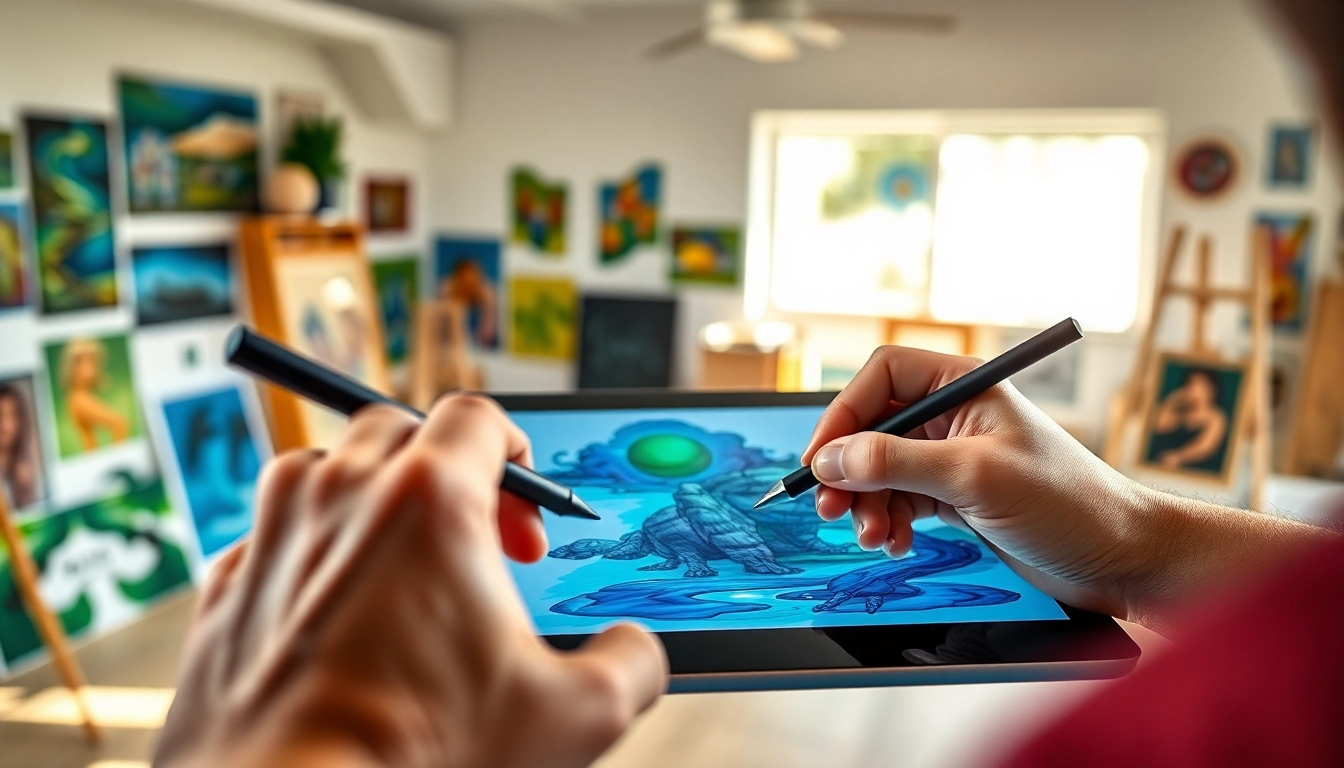
- Digital Painting: Artists can use image to image to enhance their digital paintings, creating alternative versions by altering colors, textures, or elements in their original compositions.
- Photo Editing: Photographers often implement these techniques to modify photographs artistically, producing unique enhancements that redefine the original captures.
- Concept Art Creation: Game and movie industries utilize this technique to quickly iterate over character designs and environments, exploring various aesthetics efficiently.
- Surrealism in Digital Art: Artists can create surreal images by combining disparate elements through image to image methods, leading to intriguing and thought-provoking visuals.
Tools and Technologies for Image to Image
Software Options for Image to Image Creation
Choosing the right software is crucial for anyone venturing into image to image techniques. Various tools are available that cater to different expertise levels, project complexities, and creative goals. Some noteworthy software options include:
- Adobe Photoshop: A leading image editing software widely used for its comprehensive toolset and flexibility, ideal for intricate image to image projects.
- GIMP: A free, open-source platform providing robust editing features, making it accessible for beginners and those on a budget.
- DeepArt: This AI-powered tool uses advanced algorithms to apply artistic styles to images, making it easy to create unique outputs without extensive manual modifications.
- Runway ML: A cutting-edge platform that integrates machine learning models for advanced image editing and creation, featuring user-friendly interfaces for streamlined workflows.
Hardware Considerations for Optimal Image to Image
While software plays a critical role, hardware must not be underestimated in the image to image process. High-quality hardware enhances performance and facilitates smoother editing experiences. Recommended hardware considerations include:
- Graphics Card: A robust graphics card is crucial for handling intensive image processing tasks, reducing lag, and improving overall output quality.
- RAM: Sufficient RAM (at least 16GB) allows for seamless multitasking and handling of large image files.
- Monitor Quality: A high-resolution monitor with accurate color representation assists in seeing the details of edits and finalizing color choices effectively.
- Storage Solutions: Fast SSDs can significantly improve loading times for large files and software applications, increasing efficiency during workflows.
Integrating AI in Image to Image Processes
The intersection of artificial intelligence and image to image techniques has revolutionized how creative professionals approach editing and design. By utilizing AI algorithms, users can automate complex processes, resulting in remarkable outcomes. Some beneficial AI integrations include:
- Automated Style Transfer: AI-powered software intelligently applies the visual styles from one image onto another, facilitating unique creativity.
- Image Enhancement: AI can automatically analyze images and suggest enhancements or optimizations, improving quality without compromising artistic intent.
- Real-Time Feedback: Some platforms provide AI-based recommendations during the editing process, ensuring that users can learn and refine their techniques effectively.
- Content Generation: AI tools can generate new images based on existing ones, streamlining the creative process and enabling innovative exploration.
Best Practices in Image to Image Techniques
Step-by-Step Guide to Effective Image to Image
Implementing volume practices in image to image projects leads to better outcomes and enhances creativity. Here’s a step-by-step guide to ensure effective application:
- Select Your Base Image: Choose an image that resonates with your vision or theme.
- Decide on Modifications: Identify key areas of focus, such as color, texture, or structural changes you wish to apply.
- Choose Appropriate Tools: Select the software and tools that align best with your project’s requirements and your skill level.
- Implement Changes Iteratively: Make modifications in stages, assessing and refining as you progress. This helps maintain coherence in the final output.
- Finalize and Export: Once satisfied, finalize your artwork and export it in the desired format while considering quality and resolution.
Tips for Enhancing Quality in Image to Image
To enhance the quality of your image to image projects, consider the following tips:
- Maintain High Resolutions: Work with high-resolution images to preserve details during modifications.
- If Using Filters, Choose Wisely: Apply filters sparingly and test them to ensure they complement rather than overwhelm the original image.
- Leverage Layers: Utilizing layers in software allows for better control over various modifications, enabling adjustments without altering the base image.
- Seek Feedback: Don’t hesitate to ask peers or mentors for critique; fresh perspectives can reveal enhancements and improve the final product.
Avoiding Common Pitfalls in Image to Image
While the image to image process offers incredible creative freedom, certain pitfalls can lead to disappointing results. To avoid these common challenges:
- Avoid Over-Editing: It’s easy to get carried away; ensure that edits enhance rather than detract from the image’s essence.
- Backup Files: Always save original images and work in progress to prevent loss of valuable content.
- Monitor Color Consistency: Keep an eye on color palettes and ensure transitions between colors remain harmonious.
- Embrace the Learning Curve: Accept that mastery takes time; practice regularly to enhance your skills and discover new techniques.
Case Studies in Image to Image Success
Art Examples: Transformations Through Image to Image
Analyzing case studies of successful image to image projects can provide insight and inspiration. Here are compelling examples that showcase creativity and effectiveness:
- Conceptual Artwork: Artists who transformed photographs into digital paintings by blending techniques have received acclaim for their innovative approaches, combining realism with abstract elements.
- Advertising Campaigns: Companies executed unique image to image designs that resonated with target audiences, resulting in memorable branding and increased customer engagement.
- Character Design in Animation: Animation studios demonstrated significant shifts in character aesthetics by reinterpreting sketches via image to image methods, enhancing visual storytelling.
- Social Media Campaigns: Influencers have successfully adopted image to image techniques to create captivating visuals, boosting their engagement rates and follower counts considerably.
Industry Applications of Image to Image Techniques
Beyond the realm of art, numerous industries benefit from image to image techniques, optimizing processes and enhancing creative outputs. Some significant applications include:
- Fashion Design: Designers utilize image to image to prototype visual concepts quickly, aid in fabric prints, and create lookbooks that present diverse styles.
- Marketing: Marketers integrate these techniques to develop compelling visuals that enhance branding, resulting in increased user interest and response rates.
- Entertainment: In film and animation, image to image plays a vital role in developing storyboards, showcasing ideas, and creating appealing promotional materials.
- Education: Educators adopt image to image techniques to produce engaging visual aids, effectively enhancing learning experiences.
Lessons Learned from Image to Image Projects
Exploring successful projects reveals valuable lessons about mastering image to image techniques:
- Emphasis on Planning: Effective projects begin with detailed planning to ensure a coherent direction and vision.
- Flexibility in Approach: Being open to changing direction based on trial outcomes leads to unexpected and often delightful results.
- Collaboration Enhances Creativity: Collaborating with other creatives can generate innovative ideas and elevate the quality of work produced.
- Continuous Learning: Engaging with workshops and tutorials allows for skill enhancement and adaptation of contemporary techniques in image to image.
The Future of Image to Image Innovations
Emerging Trends in Image to Image Technology
The evolution of technology continues to influence and shape image to image techniques. Notable emerging trends include:
- AI-Driven Curated Solutions: The increasing use of AI to create personalized designs based on user inputs is transforming the creative landscape.
- Virtual Reality Integration: Image to image techniques are being adapted for use in VR, where immersive environments allow for dynamic modifications of visual elements.
- Augmented Reality Filters: Applications utilizing AR are incorporating image to image methods for real-time edits, revolutionizing social media interactions.
- Accessibility Tools for Non-Artists: New software is emerging that democratizes image to image techniques, providing access opportunities for non-artistic individuals.
How to Stay Ahead in Image to Image Techniques
As the field continues evolving, professionals can stay ahead in the image to image space through proactive strategies:
- Engage with Communities: Joining online forums and groups dedicated to image editing can foster learning and provide innovative techniques.
- Regular Training and Workshops: Investing time in workshops enhances skills and introduces new methodologies and tools.
- Follow Industry Leaders: Observing leading professionals within the creative space can provide inspiration and expose new trends.
- Experiment and Innovate: Dedicate time to explore personal projects outside of commercial work; experimentation fuels creativity.
Predictions for Image to Image in Creative Industries
The future holds exciting potential for image to image techniques across creative industries. Several predictions include:
- Increased Automation: As AI continues to grow, expect more automation in routine image processing tasks, freeing up artists to focus on creativity.
- Personalized Visual Content: Customized visual experiences will become more prevalent as technologies cater to individual user preferences.
- Higher Demand in Virtual Events: The surge in virtual events will drive the need for innovative visuals, making image to image techniques essential for engagement.
- Interdisciplinary Approaches: Future creative works will likely intersect various fields, merging technology and artistry with image to image capabilities at the forefront.
Frequently Asked Questions
What software is best for image to image editing?
Popular options include Adobe Photoshop for professional editing, GIMP for budget-friendly work, and AI-driven tools like DeepArt for artistic applications.
Can beginners learn image to image techniques?
Yes, beginners can start learning with accessible software and online tutorials. Consistent practice and exploration will enhance skills over time.
How does AI enhance image to image processes?
AI streamlines image processing, automates style transfers, and offers suggestions for enhancements, significantly boosting efficiency and creativity.
What industries use image to image techniques?
Common industries utilizing image to image techniques include fashion, advertising, entertainment, and education, among others.
How can I ensure image quality during transformations?
To maintain quality, work with high-resolution images, utilize layers for modifications, and avoid overly aggressive filters that might degrade image integrity.