
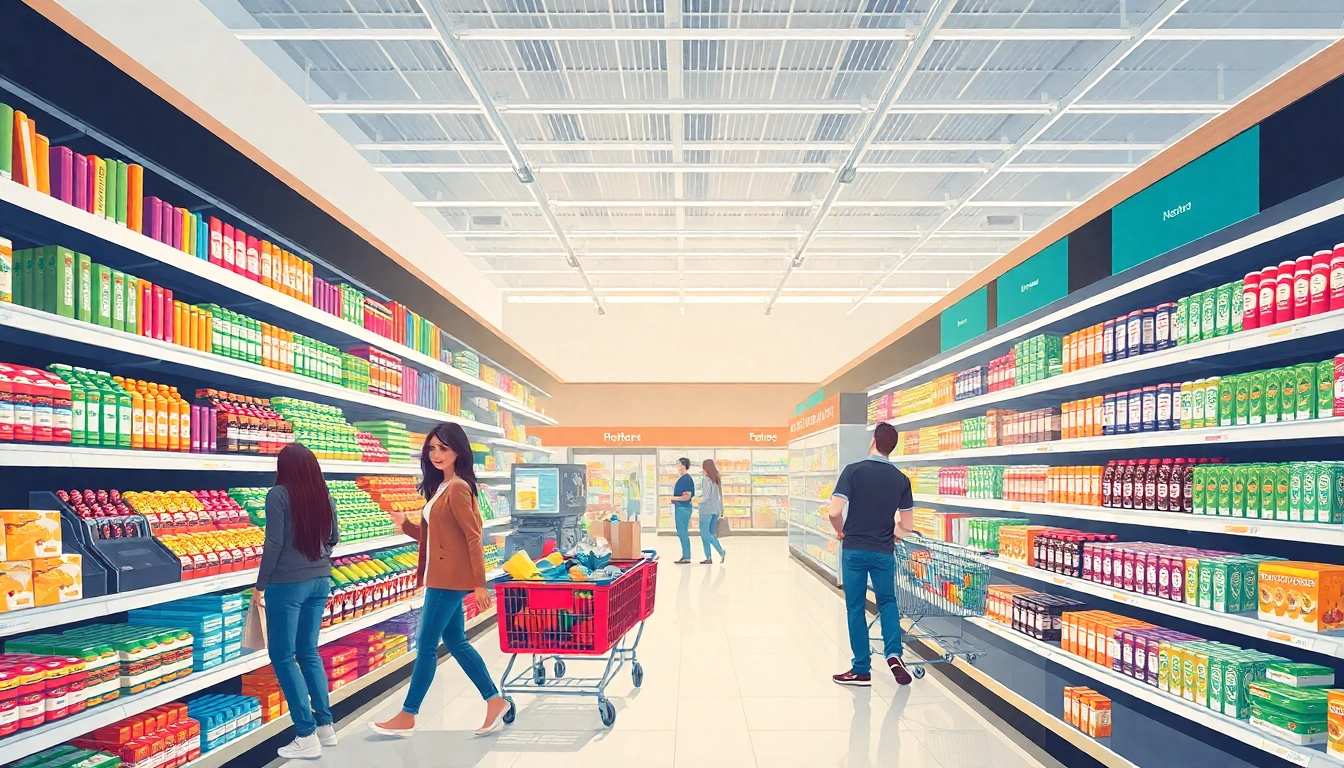
Introduction to Modern Trade
In today’s rapidly evolving retail landscape, the concept of modern trade has emerged as a pivotal force that reshapes consumer shopping experiences. Modern trade represents a shift from traditional, informal retail formats to organized, structured environments, encompassing a variety of retail channels that include supermarkets, hypermarkets, and e-commerce platforms. This shift not only reflects changing consumer preferences but also showcases the integration of technology in retail operations. As we delve deeper into the world of modern trade, we will explore its historical evolution, significance in today’s economy, its unique characteristics, and how it compares with traditional trade formats.
What is Modern Trade?
Modern trade is characterized by its organized approach to retailing, which includes formal supply chains, standardized operations, and technology-driven solutions. This trading model consists of large retail entities such as supermarkets and hypermarkets that manage extensive product assortments, maintain stock levels efficiently, and streamline the shopping experience for consumers. In contrast to traditional trade, which includes local shops and markets, modern trade offers consumers enhanced accessibility and a diverse product range with sophisticated marketing strategies.
History and Evolution of Modern Trade
The origins of modern trade can be traced back to the industrial revolution when mass production and urbanization created a demand for more structured retail environments. As societies became more industrialized, so did the distribution of goods. The 20th century saw a boom in supermarkets and hypermarkets, allowing consumers access to a more extensive variety of goods under one roof. Over time, advancements in technology have further transformed how modern trade operates, making it more data-driven and efficient with the use of e-commerce and mobile shopping platforms.
Importance of Modern Trade in Today’s Economy
Modern trade plays a crucial role in the global economy by supporting large-scale employment opportunities, driving supply chain efficiencies, and creating vast networks of distribution and logistics. It caters to the evolving preferences of consumers who increasingly prioritize convenience and speed in their shopping experiences. Moreover, modern trade channels facilitate the introduction of new products into the market faster and more effectively, making them a vital component of contemporary market dynamics.
Key Characteristics of Modern Trade
Organized Retail Formats Defined
At the heart of modern trade are organized retail formats which include supermarkets, hypermarkets, chain stores, and e-commerce platforms. These formats are defined by their operational efficiency, centralized management, and standardized processes. Supermarkets offer a wide range of packaged goods, while hypermarkets combine groceries and non-food items, providing consumers with one-stop shopping experiences. Each of these formats is equipped with technology solutions that include inventory management systems, customer loyalty programs, and data analytics to enhance retail performance.
Technology Integration in Modern Trade
The integration of technology in modern trade is reshaping how retailers connect with customers, optimize supply chains, and manage operations. Point-of-sale systems, e-commerce platforms, and mobile applications facilitate seamless transactions and enhance customer engagement. Data analytics enables retailers to analyze customer behavior, forecast demand, and personalize marketing efforts effectively. As technology continues to evolve, we can expect a more interconnected retail environment that leverages artificial intelligence and machine learning to predict trends and enhance customer experiences.
Customer Experience and Engagement
In modern trade, enhancing customer experience is paramount. Retailers focus on creating engaging shopping environments that combine physical and digital experiences. Personalized communication, customer loyalty programs, and omnichannel shopping options serve to build strong relationships between retailers and consumers. Modern trade seeks to meet the expectations of the tech-savvy consumer, where convenience, choice, and experience are key drivers influencing shopping decisions.
Modern Trade vs General Trade
Defining the Differences
Modern trade and general trade significantly differ in terms of structure, scale, and operational modalities. General trade consists of smaller, typically family-owned stores that provide a more personal shopping experience. These stores usually stock limited product ranges and operate on a less formalized distribution model. In contrast, modern trade’s structure allows for broader product assortments, higher inventory turnover rates, and centralized procurement processes, leading to enhanced operational efficiencies.
Advantages of Modern Trade
The advantages of modern trade are numerous. Economies of scale allow retailers to leverage bulk purchasing, thereby reducing costs and enabling competitive pricing strategies. With structured marketing and efficient inventory management, modern trade can respond rapidly to changing consumer demand. Furthermore, the organized nature of these retail formats ensures product quality and availability, which enhances customer satisfaction and loyalty.
Challenges Faced by Modern Trade
Despite its advantages, modern trade confronts several challenges, including intense competition, changing consumer behaviors, and the rapid pace of technological advancement. Retailers must continually innovate their offerings, adapt to market trends, and find ways to differentiate themselves from competitors. Additionally, they must address logistics and supply chain complexities to maintain efficiency and meet customer expectations.
Implementing Modern Trade Strategies
Best Practices for Successful Modern Trade
Successful implementation of modern trade strategies requires a combination of operational excellence and customer-centric approaches. Best practices include utilizing data analytics for inventory management, investing in customer relationship management (CRM) systems for personalized marketing, and fostering partnerships with suppliers for effective sourcing. Retailers should also prioritize training for employees to ensure they are equipped to provide exceptional customer service and understand product offerings.
Measuring Success in Modern Trade
Measuring success in modern trade involves a variety of metrics that provide insights into business performance. Key performance indicators (KPIs) often include sales growth, inventory turnover rates, customer satisfaction scores, and market penetration levels. By closely monitoring these metrics, retailers can make informed decisions about operational adjustments and strategic direction, driving further success in the modern trading environment.
Future Trends in Modern Trade
The future of modern trade is poised to be shaped by digital transformation, evolving consumer behaviors, and sustainability initiatives. E-commerce is expected to continue its rapid expansion, with retailers increasingly adopting hybrid models that blend online and offline experiences. Moreover, sustainability will become a focal point, with consumers seeking eco-friendly practices and products. Technology will play a key role in facilitating these trends, providing retailers with tools to create personalized and responsive shopping experiences.
FAQs about Modern Trade
What defines modern trade?
Modern trade comprises organized retail formats like supermarkets and hypermarkets. It employs structured technology-driven strategies for efficient and centralized shopping experiences, offering diverse product assortments.
How does modern trade differ from traditional trade?
Modern trade consists of larger retail chains with more extensive product ranges, while traditional trade involves smaller, family-owned stores. Modern trade emphasizes convenience, efficiency, and structured environments.
What are the benefits of modern trade?
Modern trade provides bulk purchasing advantages, better pricing, enhanced customer service, and a more organized shopping experience. The model supports advanced supply chain and inventory management practices.
What role does technology play in modern trade?
Technology enhances inventory management, customer engagement, and payment processing in modern trade. It integrates digital platforms and data analytics to improve shopping experiences and streamline operations.
What does the future hold for modern trade?
The future of modern trade includes greater digital integration, expanded e-commerce, and a focus on sustainability. Retailers will likely prioritize personalized customer experiences using data insights to meet changing demands.